✅
Car Battery Not Charging • Possible Causes • Diagnostic Steps • Repair Solutions✅
Battery Overcharging • Warning Signs • Possible Causes • Diagnosis and Repair✅
Battery Fluid Leakage • Signs of Leaking • Common Causes • Leaking Locations and Their Causes • Leaking Fluid Colors and Meanings • Safety Risks • Safe Handling of a Leaking Car Battery✅
Swelling and Bulging • Common Causes • Safety Risks • How Long Can a Swollen Battery Last • Steps to Take After Swelling✅
Car Battery Overheating • Symptoms • Common Causes • Battery Overheating While Charging • Battery Overheating After Replacing the Battery • What to Do✅
Internal and External Short Circuits • Symptoms •
External Short Circuit in a Car Battery • Internal Short Circuit in a Car Battery✅
Dead Battery✅
Terminal Corrosion✅
Dealing With Battery Failure • Signs of Failure • Contributing Factors • Diagnostic Checks✅ Can a Bad Car Battery Affect Other Systems✅
Troubleshooting and Repair • Problems Not Recommended for Repair • Problems That May Still Be Repairable✅
Maintenance Tips • Good Maintenance Habits • Practical Care Measures • Maintenance Frequency✅
Conclusion✅
FAQ How to Repair a Car Battery? How to Fix a Car Battery That Is Not Charging? What Causes a Car Battery to Leak? Can a Bad Car Battery Cause Electrical Problems? Why Is My Car Battery Not Charging?A car battery plays a key role in starting the engine and supporting the vehicle’s electrical system. To better understand
the basics of car battery function, it is also useful to review the basics first. This page focuses on the most common car battery problems, including their symptoms, possible causes, troubleshooting methods, and repair or replacement solutions.
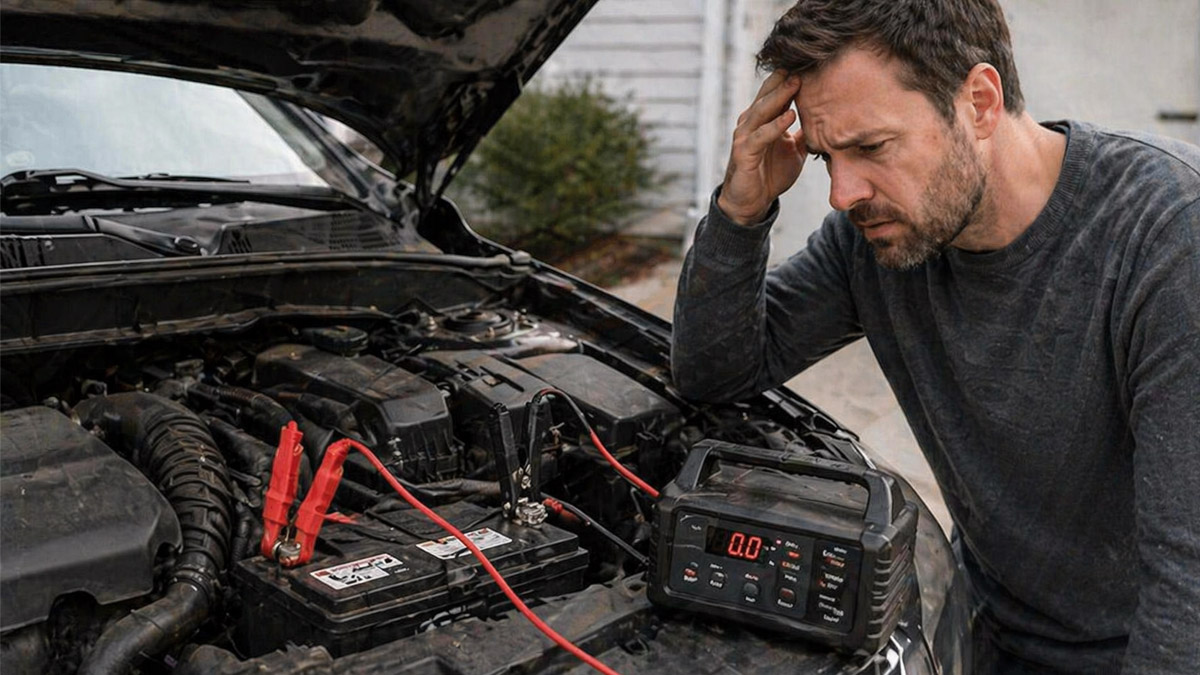
Car Battery Not ChargingA car battery that is not charging usually means the problem is not limited to the battery itself. In many cases, poor terminal contact, a faulty alternator, damaged cables, or internal battery failure can all prevent the battery from charging normally.
• Possible Causes
A car battery may not charge because of:
Loose or corroded terminals: Poor contact can block charging current and reduce charging efficiency.
Faulty alternator: A bad alternator may fail to supply enough charging voltage while the engine is running.
Damaged battery cables: Broken, worn, or corroded cables can interrupt the charging path.
Blown fuse or electrical fault: A failed fuse or wiring problem can stop the charging system from working properly.
Weak or failed battery: An old or damaged battery may no longer accept or hold a charge.
Internal short circuit: Internal battery damage can prevent normal charging and cause rapid failure.
Faulty voltage regulator: Incorrect voltage control can lead to undercharging or unstable charging.
Parasitic drain: Excess power draw may make it seem like the battery is not charging properly.
• Diagnostic Steps
To diagnose a car battery that is not charging, first check the battery terminals and cables for looseness, corrosion, or visible damage. Then look for warning signs such as slow cranking, dim lights, or a battery warning light on the dashboard. A voltage test can help show whether the battery is receiving charge, and the alternator output should also be tested. If the charging system works normally but the battery still cannot hold charge, the battery itself is likely failing.
• Repair Solutions
To fix a car battery that is not charging, the solution depends on the actual cause:
- Clean the terminals: Removing corrosion can restore better electrical contact.
- Tighten loose connections: Secure terminals and cable ends can improve charging performance.
- Replace damaged cables: Worn or broken cables should be replaced to restore current flow.
- Repair the charging system: A faulty alternator or voltage regulator should be tested and repaired if needed.
- Replace blown fuses: A failed fuse in the charging circuit may stop the battery from charging.
- Recharge the battery properly: A low battery may recover if it is still in good condition.
- Replace the battery: If the battery is old, internally damaged, or unable to hold charge, replacement is usually the best solution.
In summary, a car battery that is not charging is often caused by poor connections, charging system faults, cable damage, or internal battery failure. Careful inspection and voltage testing can help identify whether the problem comes from the battery, alternator, or wiring. Once the real cause is confirmed, cleaning, repair, or battery replacement can restore normal charging.
 Battery Overcharging
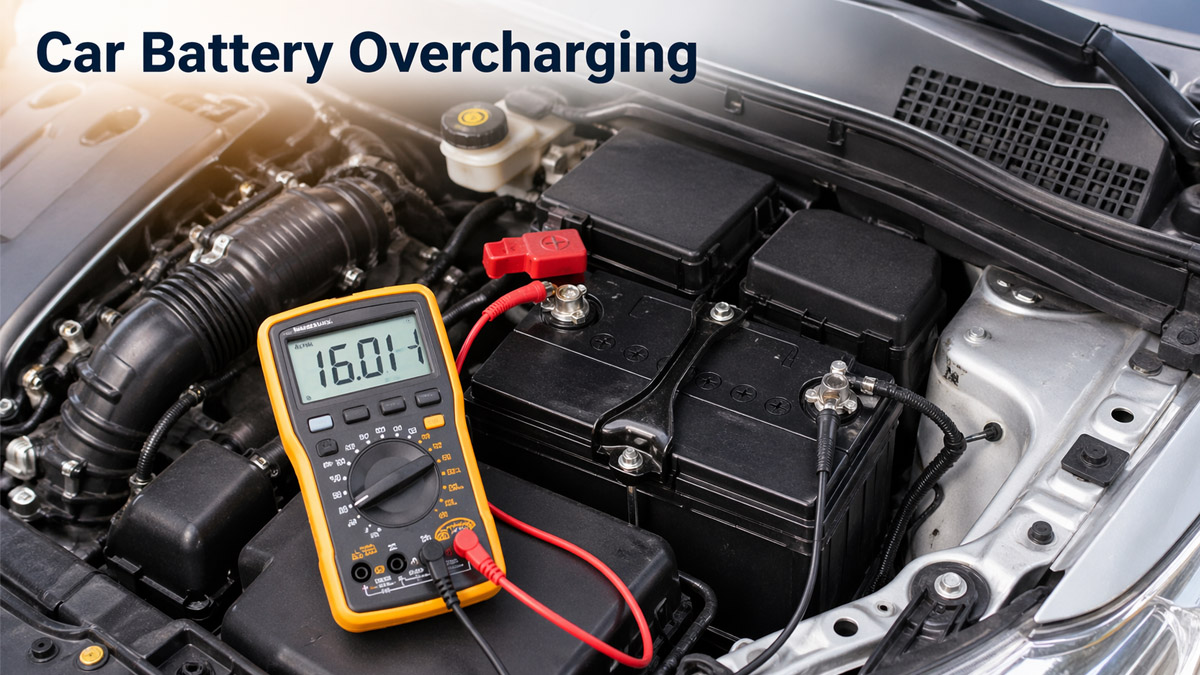
Car battery overcharging happens when the battery receives too much charging voltage for too long. This can cause excessive heat, gas buildup, water loss in flooded batteries, faster internal damage, and shorter battery life.
• Warning Signs
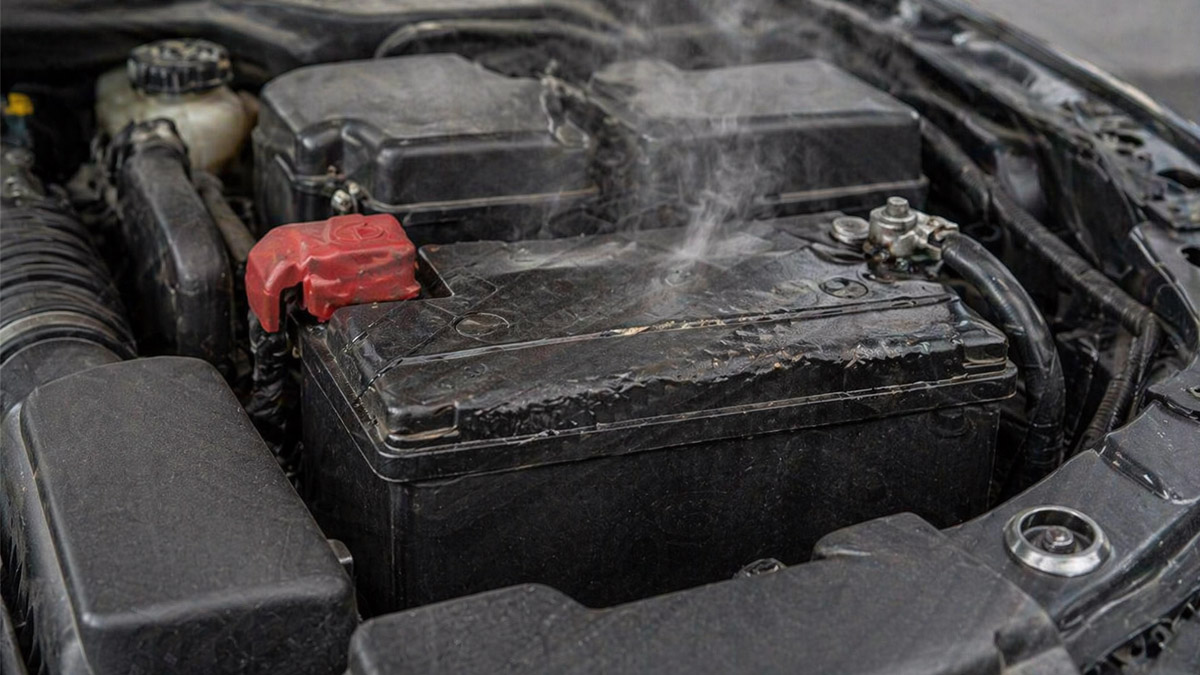
Common signs and symptoms of car battery overcharging include a hot battery case, a strong sulfur or rotten-egg smell, swelling, leaking, rapid water loss in serviceable batteries, bright or unstable lights, and heavy corrosion around the terminals. In some cases, the battery may also fail early, lose charge abnormally, or show warning lights on the dashboard.
• Possible Causes
A car battery may be overcharged because of:
- Faulty alternator: A bad alternator can send too much voltage to the battery.
- Bad voltage regulator: If the regulator fails, charging voltage may stay too high.
- Wrong battery charger: An incorrect charger or wrong charging mode can overcharge the battery.
- Charging system malfunction: Faults in the vehicle’s charging system can make charging unstable or excessive.
- Incorrect battery type: A battery that does not match the vehicle’s charging requirements may be overcharged more easily.
• Diagnosis and Repair
To diagnose car battery overcharging, first look for signs such as overheating, swelling, leaking, corrosion, or a sulfur smell. Then test the battery voltage and charging voltage while the engine is running. If the charging voltage stays too high, the alternator, voltage regulator, or charger should be checked. The fix depends on the cause: clean any corroded terminals, stop using the wrong charger, repair the charging system, or replace the alternator or voltage regulator if needed. If the battery has already swollen, leaked, or suffered internal damage, replacement is usually the safest solution.
In summary, car battery overcharging is usually caused by excessive charging voltage from a faulty alternator, bad regulator, or improper charger. Common symptoms include overheating, swelling, leaking, terminal corrosion, and a strong sulfur smell. Early diagnosis and repair of the charging system can prevent battery damage, but a battery that has already been badly affected often needs to be replaced.
 Battery Fluid Leakage
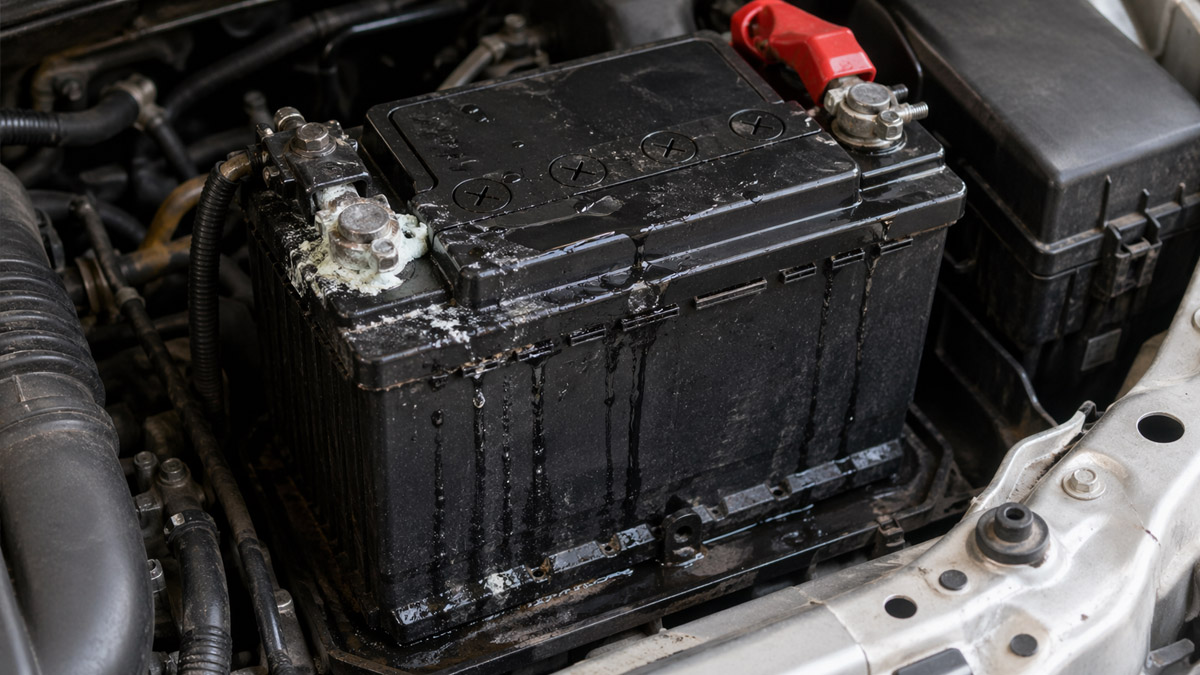
A leaking car battery is usually a sign of internal damage, overcharging, aging, or physical cracks. In most cases, the liquid or buildup you see is related to a lead-acid battery, and it should be handled carefully because it can corrode nearby parts and damage the battery tray, cables, and terminals.
• Signs of Leaking
The most common signs and symptoms of a leaking car battery include wet spots around the case, corrosion on the terminals, a strong sulfur or rotten-egg smell, white or bluish buildup, poor starting performance, dim lights, and a swollen or damaged battery case. In some cases, you may also notice repeated charging issues or visible fluid around the battery tray.
• Common Causes
A car battery may leak for several reasons, including:
- Old age: The battery case, seals, and internal parts can weaken over time.
- Overcharging: Excess charging voltage can create heat and pressure, forcing electrolyte out.
- Cracked case: Impact, vibration, or physical damage can cause the housing to crack.
- Loose or damaged seals: Worn terminal seals or cap seals can allow acid or vapor to escape.
- Freezing temperatures: A weak or discharged battery can freeze and crack in very cold weather.
- Overfilled electrolyte: In flooded batteries, too much electrolyte can spill or vent out during charging.
- Internal pressure buildup: Gas buildup inside the battery can push fluid out through vents or caps.
- Vibration: Constant shaking can damage the case, loosen seals, and shorten battery life.
• Leaking Locations and Their Causes
- From Terminal
Leakage around a terminal is often caused by acid vapor escaping and reacting with the metal connection. It can also happen when the seal around the terminal post starts to fail.
- From Bottom
Leakage from the bottom usually points to a cracked case, impact damage, or wear from vibration. This type of leak often means the battery housing has been compromised.
- From Caps
Fluid leaking from the caps usually happens in serviceable flooded batteries. It is often related to overfilling, overcharging, or excessive internal gas pressure forcing electrolyte out.
- From Negative Terminal
Leakage or buildup at the negative terminal is commonly linked to corrosion from escaping battery gases and moisture. It may also indicate poor terminal sealing.
- From Positive Terminal
The positive terminal often corrodes faster because it is exposed to heat and acid vapor during charging. Heavy buildup here can point to overcharging or a failing seal around the post.
• Leaking Fluid Colors and Meanings
- Red Fluid
Red fluid may come from dyed electrolyte, rust-contaminated moisture, or residue mixed with dirt from the battery area. It should still be treated as potentially corrosive.
- White Stuff
White stuff is usually dried corrosion caused by battery acid or acid vapor reacting with the metal terminals. It is a common sign of leakage or venting, not just surface dirt.
• Safety Risks
A leaking car battery can be dangerous, even if it does not immediately fail. Battery acid can burn skin, damage paint, and corrode metal parts. A standard lead-acid car battery is more likely to leak and release gas than to catch fire on its own, but sparks near hydrogen gas can cause an explosion. The risk becomes higher if the battery is overcharging, badly damaged, or shorting internally.
• Safe Handling of a Leaking Car Battery
A leaking car battery should usually be replaced rather than repaired. In most cases, leakage means the battery case, seals, or internal structure has already been damaged. While light corrosion around the terminals can sometimes be cleaned, an actively leaking battery is no longer reliable and may become a safety risk. Replacing it is usually the safer and more practical solution.
If a car battery is leaking, you should:
- Turn off the engine and avoid using the vehicle if the leak is severe.
- Keep away from sparks and flames because battery gases can ignite.
- Wear gloves and eye protection before touching the battery area.
- Avoid direct contact with the fluid because it may be corrosive.
- Check the battery case carefully for cracks, swelling, or heavy leakage.
- Clean nearby corrosion carefully if the leakage is minor and limited to the terminals.
- Remove and replace the battery if the case is cracked, swollen, or actively leaking.
- Clean the battery tray and cable ends to prevent further corrosion damage.
- Dispose of the old battery properly through an auto shop, battery retailer, or recycling center.
In summary, a leaking car battery is usually a sign of damage, aging, or charging problems and should not be ignored. Small corrosion around the terminals may sometimes be cleaned, but active leakage often means the battery is no longer safe or reliable. Identifying the leak location, color, and symptoms can help you understand the problem, but in most cases, replacing the battery is the safest solution.
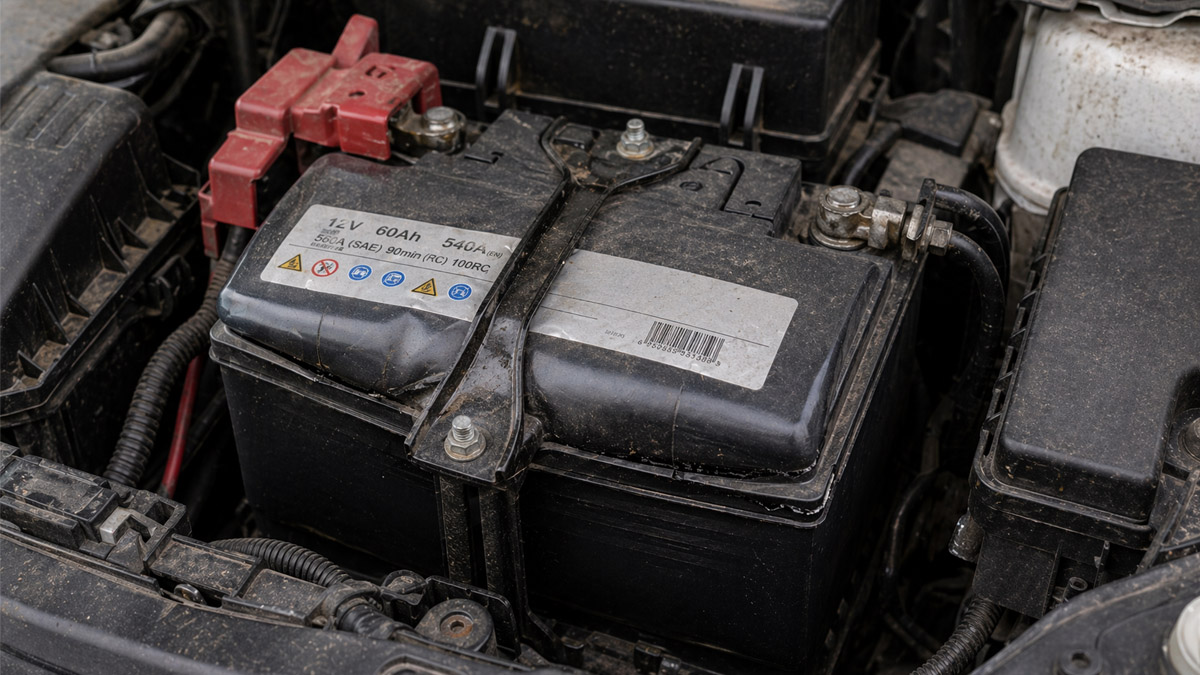 Swelling and Bulging
A swollen car battery usually means gas has built up inside the case because of heat, overcharging, internal failure, or age. Once a battery starts swelling or bulging, it is no longer in normal condition and should be treated as a sign of damage.
• Common Causes
A car battery may swell because of:
- Overcharging: Too much charging voltage can create excess heat and gas inside the battery.
- High temperature: Constant engine heat can speed up internal damage and pressure buildup.
- Internal short circuit: A fault inside the battery can generate heat and make the case expand.
- Battery aging: Old batteries are more likely to break down internally and lose structural stability.
- Faulty charging system: A bad alternator or voltage regulator can keep pushing too much charge into the battery.
- Freezing damage: In very cold conditions, a weak battery can freeze, crack internally, and later swell.
- Poor battery quality: Low-quality materials or manufacturing defects can make swelling happen earlier.
• Safety Risks
A swollen battery can be dangerous because the case is already under pressure. It may crack, leak acid, release gas, or fail without warning. In severe cases, a bulging battery can also become a fire or explosion risk if sparks, heat, or charging problems are involved.
• How Long Can a Swollen Battery Last
A swollen battery may still work for a short time, but it should not be trusted. Some batteries can still start the car briefly, but the damage can get worse quickly and unpredictably. Once the case has swollen, the battery is already failing, so continued use is not recommended.
• Steps to Take After Swelling
A swollen car battery should usually be replaced rather than repaired. In most cases, swelling means the battery has already been damaged internally, so replacement is the safer and more reliable solution.
If a car battery is swollen, you should:
- Stop using it soon – Continued use can make the damage worse.
- Do not recharge it – Charging may increase heat, gas buildup, and pressure.
- Keep it away from sparks and flames – Escaping battery gas can ignite under the wrong conditions.
- Wear gloves and eye protection – A damaged battery may leak acid or release corrosive residue.
- Replace the battery – A swollen case usually means the battery is no longer safe or reliable.
- Dispose of it properly – Take the old battery to a battery retailer, auto shop, or recycling center.
In summary, car battery swelling is usually a sign of internal damage, overheating, overcharging, or battery aging. A swollen or bulging battery may still work for a short time, but it is no longer reliable and can become a safety risk. In most cases, the best solution is to stop using it and replace it as soon as possible.
Car Battery OverheatingA car battery that gets too hot usually means there is a charging problem, internal damage, poor connections, or excessive electrical stress. Mild warmth can be normal after driving or charging, but excessive heat is a warning sign that should not be ignored.
• Symptoms
Common signs and symptoms of an overheating car battery include a hot battery case, a strong sulfur or rotten-egg smell, swelling, leaking, poor starting performance, dim lights, and visible corrosion around the terminals. In some cases, the battery may also make clicking sounds, lose charge quickly, or feel unusually hot after charging or driving.
• Common Causes
A car battery may overheat because of:
- Overcharging: Too much charging voltage can create excess heat inside the battery.
- Faulty alternator: A bad alternator may keep sending too much current to the battery.
- Loose or corroded terminals: Poor connections can create resistance and heat buildup.
- Internal short circuit: Damage inside the battery can generate abnormal heat.
- Old battery: Aging batteries are less stable and more likely to overheat under load.
- Excessive electrical load: Too many accessories or a system fault can put extra stress on the battery.
- Hot weather or engine heat: High surrounding temperature can make battery heat problems worse.
• Battery Overheating While Charging
If a car battery overheats while charging, the most common causes are overcharging, the wrong charger settings, high charging current, or an internal battery fault. A battery may become slightly warm during charging, but it should not become very hot. Excessive heat during charging usually means the battery is being stressed and should be checked immediately.
• Battery Overheating After Replacing the Battery
If a car battery overheats after replacement, the problem is often not the battery alone. It may be caused by a faulty alternator, incorrect battery specifications, poor terminal connections, or installation issues. In some cases, the new battery is compatible in size but not fully matched to the vehicle’s charging system.
• What to Do
If a car battery is overheating, you should:
- Turn off the engine if necessary: This helps stop further charging or electrical stress.
- Do not keep charging it: Extra charging can make the temperature rise further.
- Keep it away from sparks and flames: Hot batteries may release flammable gas.
- Check the terminals and cables: Loose or corroded connections can cause heat buildup.
- Inspect for swelling or leaking: These are signs the battery may already be damaged.
- Test the charging system: The alternator and voltage regulator should be checked.
- Replace the battery if needed: A battery that overheats repeatedly is usually not reliable.
Car battery overheating is usually caused by charging problems, internal faults, poor connections, or excessive heat exposure. Slight warmth can be normal, but a battery that becomes very hot, smells bad, swells, or leaks should be treated as a warning sign. The safest solution is to stop stressing the battery, inspect the system, and replace the battery if the problem continues.
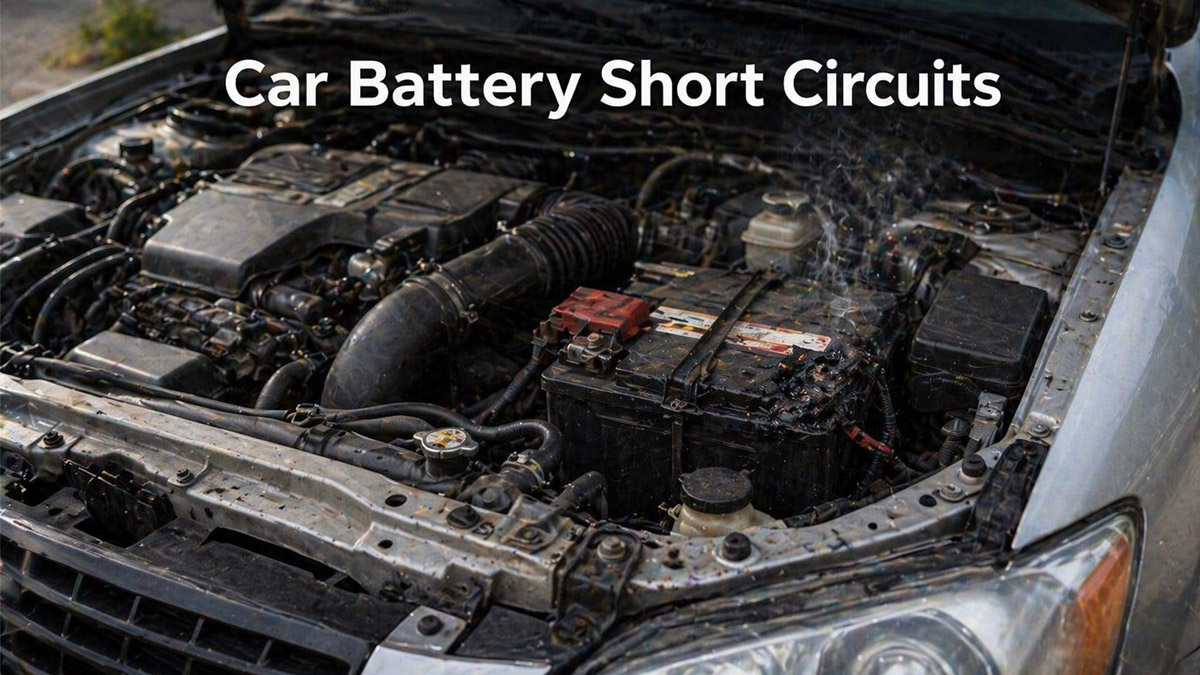 Internal and External Short Circuits
A car battery short circuit happens when electrical current flows through an unintended path instead of the normal circuit. This can happen outside the battery, such as when metal touches both terminals or damaged cables make contact, or inside the battery, where internal parts fail and create a fault. Because external and internal short circuits are different problems, they should be identified and handled differently.
• Symptoms
Common signs and symptoms of a car battery short circuit include a hot battery, sparks, a burning smell, smoke, melted cables, blown fuses, sudden power loss, or a battery that drains very quickly. In some cases, the car may not start at all. If the short circuit is internal, the battery may also swell, leak, overheat while charging, or fail repeatedly even after recharging.
• External Short Circuit in a Car Battery
What it is: An external short circuit happens outside the battery, usually when the positive and negative sides are connected by a metal object, damaged cable, or wiring fault.
Common causes: A tool touching both terminals can create an instant short. Damaged insulation can let battery cables touch metal parts. Loose wiring, incorrect installation, or aftermarket electrical work can also create an unintended connection.
What to do immediately: Turn off the engine and any electrical loads right away. Keep away from sparks and flames, and do not touch hot cables or metal parts with bare hands. If it is safe to do so, disconnect the battery, usually starting with the negative terminal. Then inspect the cables, terminals, and nearby wiring for melted insulation, burns, or loose connections.
Can it be repaired: In some cases, yes. If the short circuit is caused by an external wiring problem, damaged cable, loose terminal, or blown fuse, the issue may be repaired by fixing or replacing the affected parts. However, if the battery itself has also been overheated, swollen, or damaged during the short, the battery should be replaced.
• Internal Short Circuit in a Car Battery
What it is: An internal short circuit happens inside the battery when internal plates, separators, or other components fail and allow current to flow where it should not.
Common causes: Battery aging is one of the most common causes. Internal plates can warp, shed material, or break down over time. Overcharging, overheating, vibration damage, freezing, or manufacturing defects can also damage the internal structure and lead to an internal short.
What to do immediately: Stop using the battery as soon as possible. Do not continue charging it, jump-starting it, or trying to force it to work. Keep it away from sparks and heat, and inspect it for swelling, leaking, or a strong sulfur smell. If the battery is hot, bulging, or leaking, it should be removed carefully and handled as a damaged battery.
Can it be repaired: In most cases, no. An internal short circuit usually means the battery has already failed internally, and repair is not practical or reliable. The safest solution is to replace the battery.
In summary, an external battery short circuit is usually caused by cables, tools, wiring contact, or installation problems, and it can sometimes be repaired if the battery has not been seriously damaged. An internal battery short circuit is usually caused by aging, overheating, overcharging, or internal failure, and it almost always requires battery replacement. Identifying which type of short circuit has occurred is important because the correct response is different in each case.
Dead BatteryA car battery can fail in different ways, but one of the most common situations is when it becomes completely unable to start the vehicle. In many cases,
the warning signs and causes behind a dead battery are easier to recognize before total failure happens. If the battery no longer has enough power to crank the engine, a closer look at that issue can help explain what caused it and whether recharging, jump-starting, or replacement is the right next step.
Terminal CorrosionCorrosion on a car battery is often caused by acid vapor, moisture, loose terminal connections, or charging problems.
A closer look at terminal corrosion and cleaning can help explain why buildup forms and when it becomes a sign of a bigger battery problem. If corrosion is left untreated, it can reduce electrical contact, cause weak starting, and speed up terminal damage.
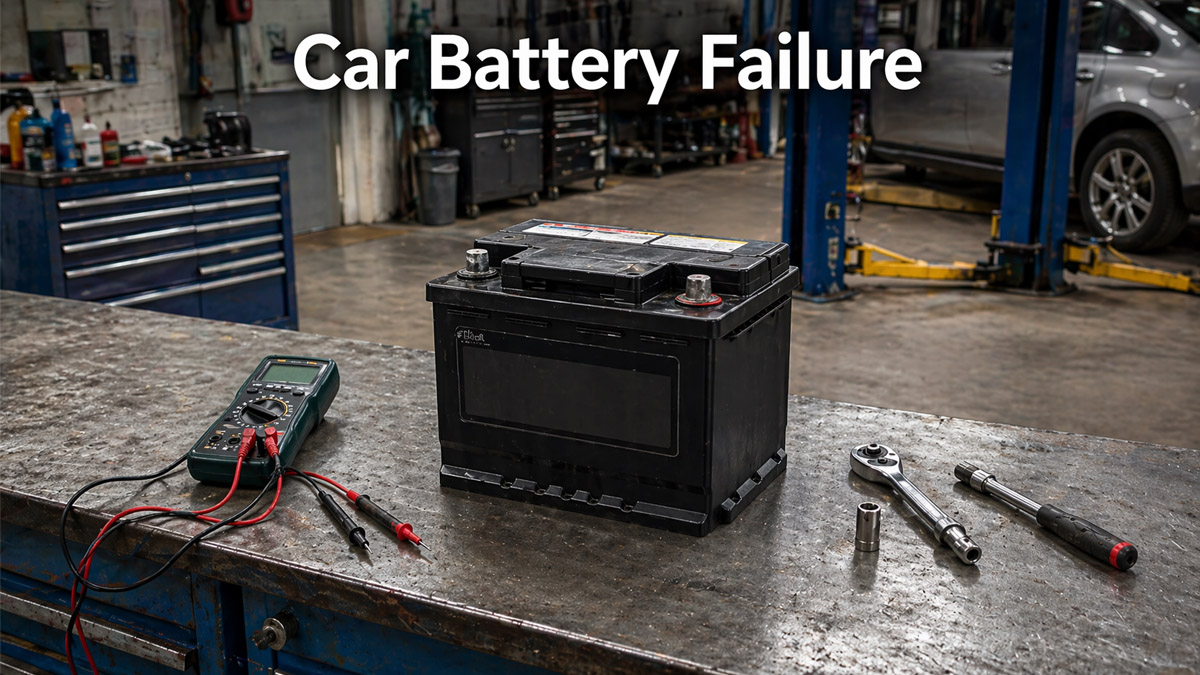 Dealing With Battery Failure
Car battery failure means the battery can no longer start the vehicle reliably or support normal electrical functions. In some cases, failure happens suddenly, but more often it develops gradually through weak starting, unstable voltage, charging problems, or visible battery damage.
• Signs of Failure
Common signs and symptoms of car battery failure include slow engine cranking, clicking when turning the key, dim headlights, weak electrical performance, dashboard warning lights, frequent jump-starts, and a battery that does not hold charge. In some cases, the battery may also leak, swell, overheat, or show heavy corrosion around the terminals.
• Contributing Factors
Car battery failure can happen for several reasons:
- Old age: Most car batteries become weaker as they get older and lose capacity over time.
- Overcharging: Excess charging voltage can damage the battery internally and shorten its life.
- Undercharging: A battery that is not fully charged regularly can become weak and unstable.
- Parasitic drain: Electrical components may continue drawing power when the car is off.
- Loose or corroded terminals: Poor connections can reduce charging efficiency and starting power.
- Extreme temperatures: Very hot or very cold weather can speed up battery wear or reduce performance.
- Internal damage: Short circuits, plate failure, or separator damage can cause sudden battery failure.
- Faulty alternator: A bad alternator may prevent the battery from charging properly.
• Diagnostic Checks
To diagnose car battery failure, you should start with the most visible and basic checks. Look for corrosion, leaking, swelling, loose terminals, or damaged cables. Then check whether the engine cranks slowly, whether the lights are dim, and whether the battery needs frequent jump-starts. A voltage test can help confirm the condition of the battery, and the charging system should also be tested to see whether the alternator is working properly. If the battery keeps losing charge after charging, or fails load testing, replacement is usually the best solution.
In summary, car battery failure usually shows up through weak starting, charging problems, voltage loss, or visible battery damage. The most common causes include aging, charging system faults, poor connections, extreme temperatures, and internal battery failure. A careful inspection combined with voltage and charging system testing is the most effective way to find the real cause.
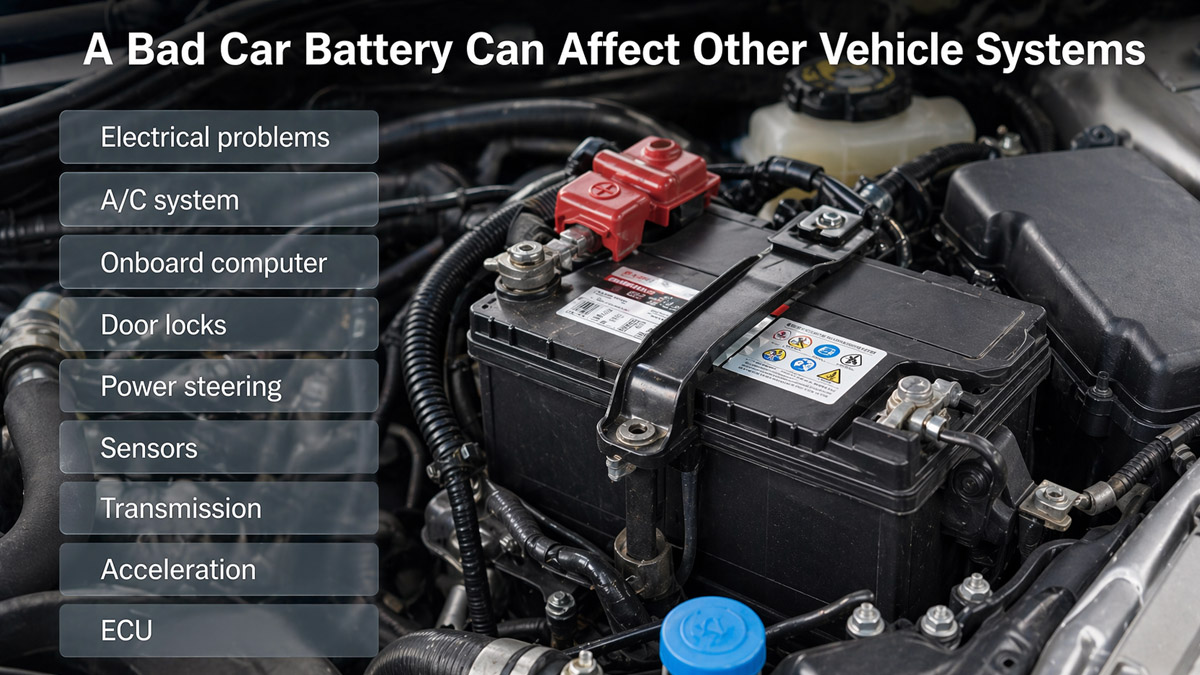 Can a Bad Car Battery Affect Other Systems
A bad car battery can cause problems in other vehicle systems, but it does not usually damage those parts directly. In most cases, the issue is low or unstable voltage, which can lead to warning lights, control errors, weak performance, or temporary malfunctions. Once the battery and charging system are working normally again, these related problems often disappear as well.
- Electrical problems: Yes. A bad battery can cause low voltage and unstable power supply, which may lead to different electrical issues across the vehicle.
- A/C system: Yes. It can affect the controls, blower operation, or compressor response, especially when voltage is too low.
- Onboard computer: Yes. A weak battery can trigger resets, communication errors, or abnormal electronic behavior.
- Door locks: Yes. Power locks may become slow, weak, or unresponsive when battery voltage drops.
- Power steering: Yes. In vehicles with electric power steering, low voltage can reduce steering assist or trigger warning lights.
- Sensors: Yes. Poor battery voltage can interfere with sensor signals and cause false warnings or fault codes.
- Transmission: Yes, indirectly. A bad battery usually does not damage the transmission itself, but it can affect electronic shifting control and trigger related problems.
- Acceleration: Yes. Low voltage can affect throttle response and engine management, which may make acceleration feel weaker or less stable.
- ECU: Yes. The ECU depends on stable voltage, so a bad battery can cause temporary control issues, fault codes, or irregular system behavior.
In summary, a bad car battery can affect many vehicle functions because modern systems rely on stable electrical power. However, it usually causes temporary operating problems rather than direct damage to those parts. If these issues appear together with weak starting or battery trouble, checking the battery and charging system first is often the right step.
 Troubleshooting and Repair
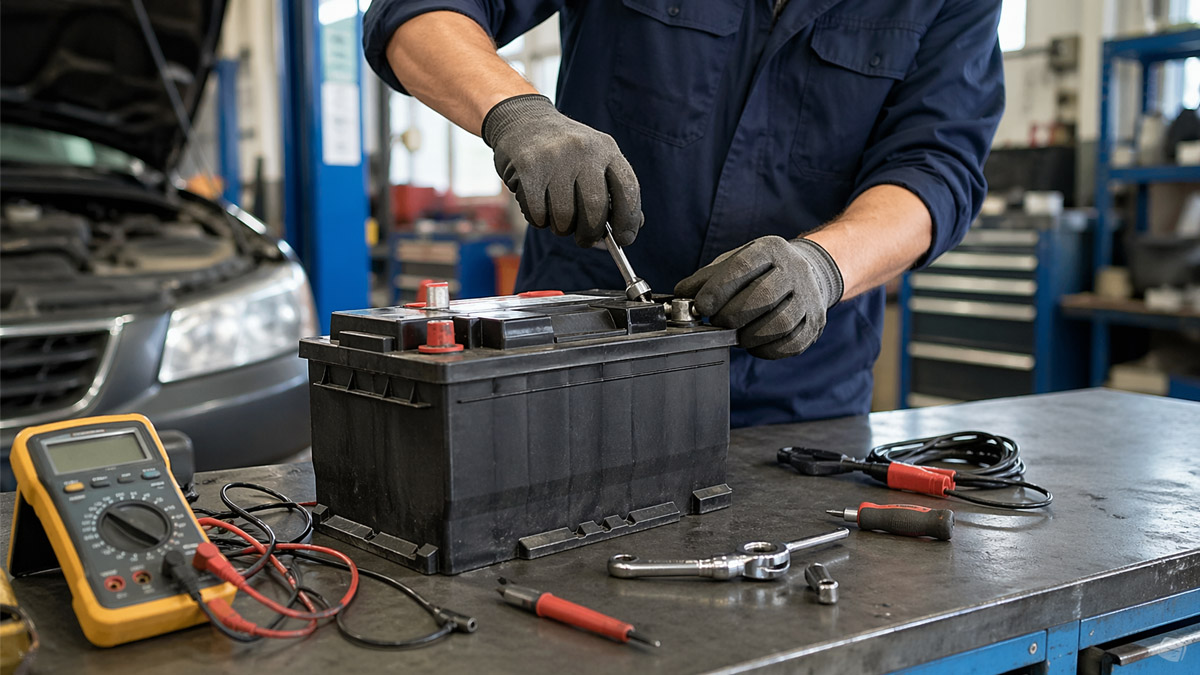
Car battery and alternator problems can come from loose connections, charging faults, worn external parts, or internal component failure. Some problems can be repaired through cleaning, tightening, or part replacement, while others usually mean the battery or alternator itself needs to be replaced.
• Repairable Problems
- Corroded or Loose Terminals: Check for visible corrosion, poor terminal contact, or unstable starting and charging performance. In most cases, cleaning the terminals and tightening the connections can solve the problem.
- Damaged Battery Cables: Look for broken insulation, loose cable ends, or voltage drop caused by poor current flow. If the cable is worn or damaged, replacing it is usually the correct repair.
- Worn or Slipping Alternator Belt: Inspect the belt for looseness, cracking, glazing, or slipping noise during operation. A worn belt can often be fixed by adjustment or replacement.
- Blown Fuse or Minor Wiring Fault: Check the charging circuit for blown fuses, disconnected wires, or damaged connectors. Replacing the fuse or repairing the wiring may restore normal charging.
- Low Battery Charge: Test the battery voltage to confirm whether it is only discharged rather than failed. If the battery still accepts and holds charge normally, proper recharging may be enough.
• Problems Not Recommended for Repair
- Internal Battery Failure: If the battery cannot hold charge, fails load testing, overheats repeatedly, or shows internal short-circuit symptoms, the damage is usually internal. In this situation, replacement is more practical than repair.
- Cracked or Leaking Battery Case: Look for fluid leakage, case cracks, swelling, or acid damage around the battery. A damaged case is not considered safe to repair, so the battery should be replaced.
- Failed Alternator: If the battery is in good condition but charging voltage remains too low or unstable, the alternator may have failed internally. This type of problem usually requires alternator replacement.
- Bad Voltage Regulator: If the charging system is consistently overcharging or undercharging, the regulator may no longer be controlling voltage correctly. The faulty regulator or alternator assembly usually needs to be replaced.
- Severe Battery Aging: If an old battery starts weakly, loses charge quickly, and repeatedly fails testing, it is usually near the end of its service life. In most cases, replacement is the better choice.
In summary, charging-system problems should first be separated into repairable faults and replacement-level failures. Problems such as corrosion, loose connections, damaged cables, blown fuses, or a worn belt can often be fixed. However, internal battery failure, a cracked or leaking case, severe aging, and internal alternator or regulator failure are usually not worth repairing.
 Maintenance Tips
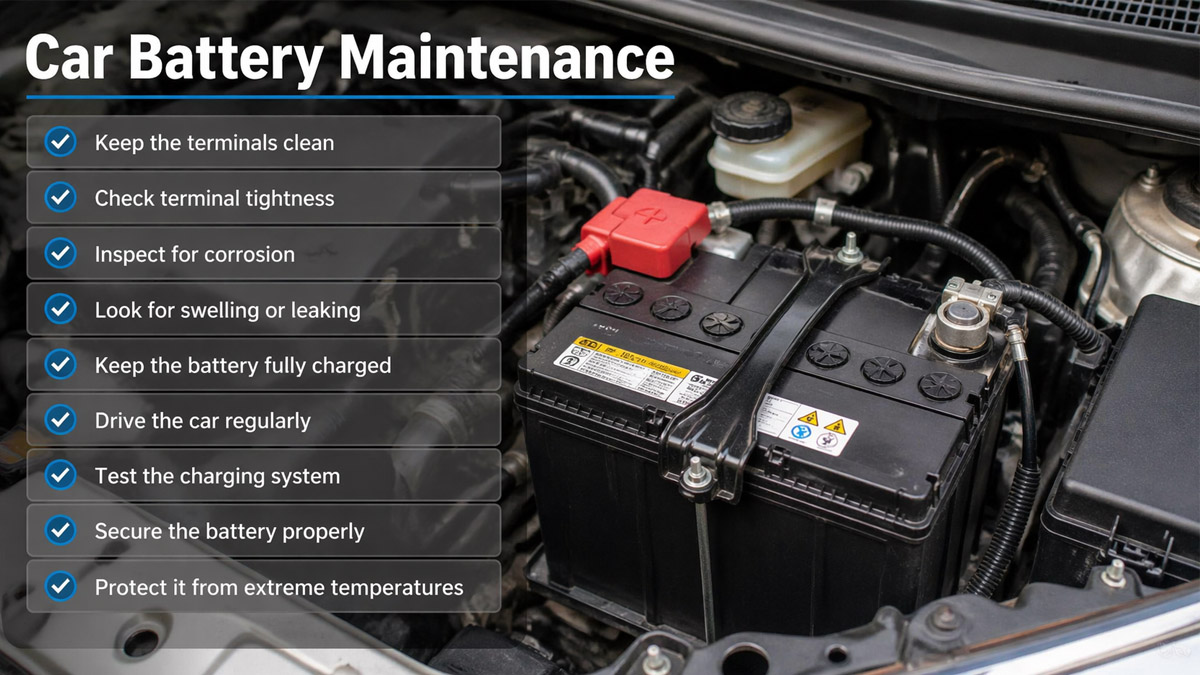
Proper car battery maintenance helps extend battery life, improve starting reliability, and reduce the risk of sudden failure. While modern car batteries need less maintenance than older types, regular inspection and basic care are still important.
• Good Maintenance Habits
Car battery maintenance mainly involves keeping the battery clean, tightly connected, properly charged, and protected from extreme heat or cold. It also means checking for early signs of problems, such as corrosion, loose terminals, swelling, leaking, or slow starting, before they turn into battery failure.
• Practical Care Measures
To maintain a car battery properly, you should:
- Keep the terminals clean: Dirt and corrosion can reduce electrical contact and affect charging and starting performance.
- Check terminal tightness: Loose terminals can cause poor connection, voltage drop, and starting problems.
- Inspect for corrosion: White, blue, or green buildup around the terminals should be cleaned before it gets worse.
- Look for swelling or leaking: A swollen or leaking battery may already be damaged and should not be ignored.
- Keep the battery fully charged: A weak battery that stays undercharged for long periods will wear out faster.
- Drive the car regularly: Long periods without driving can cause the battery to lose charge.
- Test the charging system: A faulty alternator can overcharge or undercharge the battery and shorten its life.
- Secure the battery properly: A loose battery can be damaged by vibration while driving.
- Protect it from extreme temperatures: Excess heat and severe cold can both reduce battery life and performance.
• Maintenance Frequency
A car battery should be checked visually about once a month. The terminals, cables, and battery case should be inspected for corrosion, looseness, swelling, or leaking. A more complete battery and charging system test is a good idea every few months, before winter, before summer, or anytime the car shows weak starting symptoms. If the vehicle is not driven often, battery condition should be checked more frequently.
In summary, car battery maintenance is mainly about keeping the battery clean, secure, and properly charged. Simple steps such as cleaning corrosion, checking terminal tightness, inspecting for damage, and testing the charging system can help prevent many common battery problems. A quick inspection once a month is usually a practical routine for most vehicles.
ConclusionCar battery problems can show up in many ways, including leaking, swelling, overheating, corrosion, charging failure, overcharging, short circuits, and complete battery failure. Some issues, such as corrosion, loose terminals, or minor wiring faults, may be fixed with proper cleaning or repair, but problems such as leaking, bulging, internal short circuits, repeated overheating, or severe battery aging usually mean replacement is the safer choice. By recognizing the symptoms early, checking the possible causes, and using the right troubleshooting steps, you can reduce the risk of sudden breakdowns and keep your vehicle’s electrical system working more reliably.
FAQHow to Repair a Car Battery?Car battery repair depends on the actual problem. Minor issues such as corrosion, loose terminals, or low charge may sometimes be fixed through cleaning, tightening, or proper recharging. However, leaking, swelling, internal short circuits, repeated overheating, or severe battery failure usually mean replacement is the safer choice.
How to Fix a Car Battery That Is Not Charging?To fix a car battery that is not charging, first check for loose or corroded terminals, damaged cables, and blown fuses. Then test the alternator and voltage regulator to make sure the charging system is working properly. If the battery still cannot accept or hold a charge after these checks, it usually needs to be replaced.
What Causes a Car Battery to Leak?A car battery may leak because of old age, overcharging, internal pressure buildup, freezing damage, vibration, or a cracked case. In some batteries, damaged seals or improper charging can also cause acid or fluid to escape. Active leakage usually means the battery is no longer in good condition.
Can a Bad Car Battery Cause Electrical Problems?Yes, a bad car battery can cause electrical problems. Low or unstable voltage may affect lights, sensors, door locks, the onboard computer, and other electronic systems. In most cases, it causes temporary malfunctions rather than direct damage to those parts.
Why Is My Car Battery Not Charging?A car battery may not charge because of loose or corroded terminals, damaged cables, a blown fuse, a faulty alternator, a bad voltage regulator, or internal battery failure. In some cases, the battery itself is too weak or damaged to accept and hold a charge. Checking the battery connections and testing the charging system are usually the best first steps.