✅ Can Lithium Batteries Be Thrown in the Trash
✅ Why Lithium Batteries Are Difficult to Recycle
Lithium batteries are widely used in modern electronics, power tools, mobility devices, and energy storage systems. As their use continues to grow, proper disposal and recycling have become increasingly important for safety, environmental protection, and resource recovery. This guide explains how lithium batteries should be handled at end of life, why improper disposal is risky, and what recycling options are available.
Lithium battery disposal refers to the safe handling, collection, and processing of
lithium-based batteries once they reach the end of their usable life. Unlike common household waste, lithium batteries contain reactive materials that can pose fire hazards and environmental risks if discarded improperly.
In most cases, disposal and recycling are closely connected. Recycling allows valuable materials such as lithium, nickel, cobalt, and copper to be recovered while reducing safety risks associated with landfill waste.
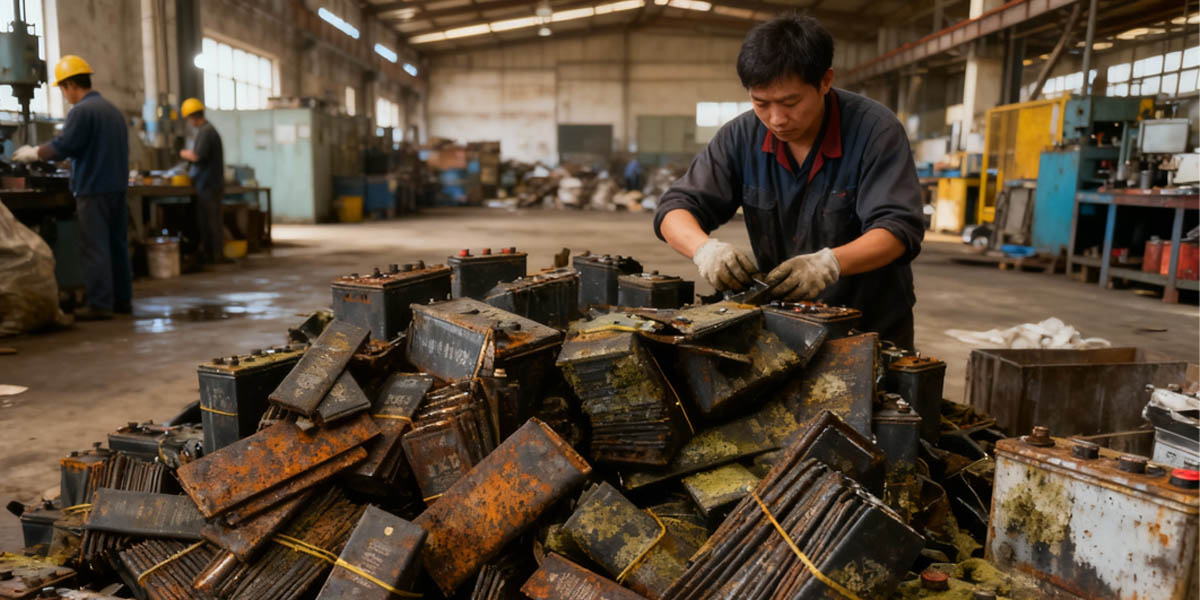 Can Lithium Batteries Be Thrown in the Trash
lithium battery should never be thrown in the trash. Disposing of them improperly can have serious consequences, When crushed, punctured, or exposed to moisture, they can short-circuit and ignite. Fires caused by discarded lithium batteries are a well-documented problem in waste collection facilities and landfills. which can be grouped into three main risks:
• Environmental Hazard: Lithium batteries contain heavy metals and toxic chemicals such as cobalt, nickel, and lithium salts. When they end up in landfills, these substances can leach into soil and groundwater, polluting ecosystems and potentially harming plants, animals, and water quality. Improper disposal contributes to long-term environmental contamination that is difficult to reverse.
• Health Risks: Damaged or leaking li-ion batteries can release toxic substances, including hydrofluoric acid (HF) from lithium salts and harmful organic solvents. Exposure to these chemicals can irritate skin, eyes, and the respiratory system, and prolonged contact may cause more serious health issues. Even small batteries can be dangerous if punctured or broken.
• Fire and Explosion Risk: Lithium batteries are highly reactive, and when crushed, punctured, or short-circuited, they can catch fire or explode. Fires caused by discarded li ion batteries in trash bins or landfill sites are not uncommon and are difficult to control due to the battery’s high energy density and flammable electrolytes.
Destroying or intentionally damaging a lithium battery is also unsafe and should be avoided.
Why Lithium Batteries Are Difficult to RecycleRecycling lithium batteries is more complex than recycling traditional batteries. Several factors contribute to this challenge:
• Multiple battery chemistries and designs: Lithium-ion battery recycling is challenging due to a combination of chemical complexity, safety risks, and economic factors. These batteries contain multiple materials—lithium, cobalt, nickel, manganese, copper, and organic electrolytes—tightly packed in small cells, making separation and extraction difficult. Additionally, damaged or used batteries can be unstable, posing fire and toxic chemical hazards during handling.
• Economic factors also play a role: the cost of safely collecting, transporting, and processing batteries often exceeds the value of the recovered materials, which limits the number of recycling facilities and slows the development of efficient recycling technologies.
• Safety risks during disassembly
• Limited recycling infrastructure in some regions
• Safety risks during disassembly
As a result, while recycling is technically possible, high costs, safety risks, and material complexity make large-scale lithium-ion battery recycling a difficult challenge.
Current Lithium Battery Recycling RatesGlobally, only a relatively small percentage of lithium-ion batteries are currently recycled compared to other battery types. Industry reports consistently show that recycling rates remain limited but are improving as regulations and recycling programs expand. The gap between battery usage and recycling highlights the importance of proper disposal practices at the consumer and industrial levels. How many lithium ion batteries are recycled? It’s estimated that around 8 million tons of spent lithium‑ion batteries are generated each year. According to the Chemical Abstracts Service (CAS), only about 5% of those are currently recycled.
Here’s how the situation breaks down:
• Generation Volume: With the massive rise in electric vehicles, consumer electronics, and energy‑storage systems, the waste flow of lithium‑ion batteries is rapidly growing. The 8 million tons figure reflects this accelerating trend.
• Recycling Rate: Despite the high volume, the actual
lithium-ion battery recycling rate remains very low — only around 5% globally — CAS estimates only around 5% globally being recycled. That means 95% of that waste still ends up in landfills, incineration or improperly stored.
• Implications: With only ≈ 5% recycled, the vast majority of the materials (lithium, cobalt, nickel, etc.) in spent batteries are lost instead of being recovered, meaning more raw‑mining, higher cost, and greater environmental impact. The growing volume of waste alongside low recycling indicates a looming materials‑supply and waste‑management crisis. The annual waste stream for lithium‑ion batteries is already in the millions of tons, but global recycling captures only a small fraction of it. This gap highlights huge opportunities — and urgent needs — in infrastructure, regulation and recycling technology development.
How and Where to Recycle Lithium Batteries ProperlyLithium batteries should always be taken to approved recycling locations rather than disposed of with regular household waste. Because lithium-based batteries contain reactive materials, improper disposal can lead to fire hazards and environmental contamination.
Common recycling options include:
• Certified battery recycling facilities that specialize in lithium-based chemistries
• Local hazardous waste collection programs operated by municipalities
• Retail drop-off programs that accept used batteries through established recycling partners
Many regions also offer dedicated battery recycling initiatives designed to safely process lithium batteries while reducing environmental impact. Using these approved channels ensures that batteries are handled responsibly and kept out of landfills.
Proper Disposal Practices for Used Lithium BatteriesUsed lithium batteries should never be thrown into household trash bins. The safest way to get rid of them is to bring them to certified recycling centers or hazardous waste collection points.
Depending on your location, lithium batteries may be accepted by:
Local e-waste recycling facilities
• Retail drop-off locations operated by electronics or hardware stores
• Community hazardous waste collection events
• Delivering batteries to these collection points helps ensure safe handling, proper recycling, and reduced risk to waste management systems.
Safe Storage Before Lithium Battery RecyclingBefore transporting lithium batteries to a recycling facility, proper storage is essential to prevent accidents such as short circuits or thermal events.
Recommended storage practices include:
• Keeping batteries in a dry, cool, and well-ventilated area
• Placing dead, swollen, or damaged batteries in a non-metallic container
• Avoiding puncturing, crushing, or disassembling batteries
• Separating lithium batteries from metal objects or flammable materials
Following these precautions helps minimize the risk of fires, chemical leaks, or accidental explosions while batteries await proper recycling.
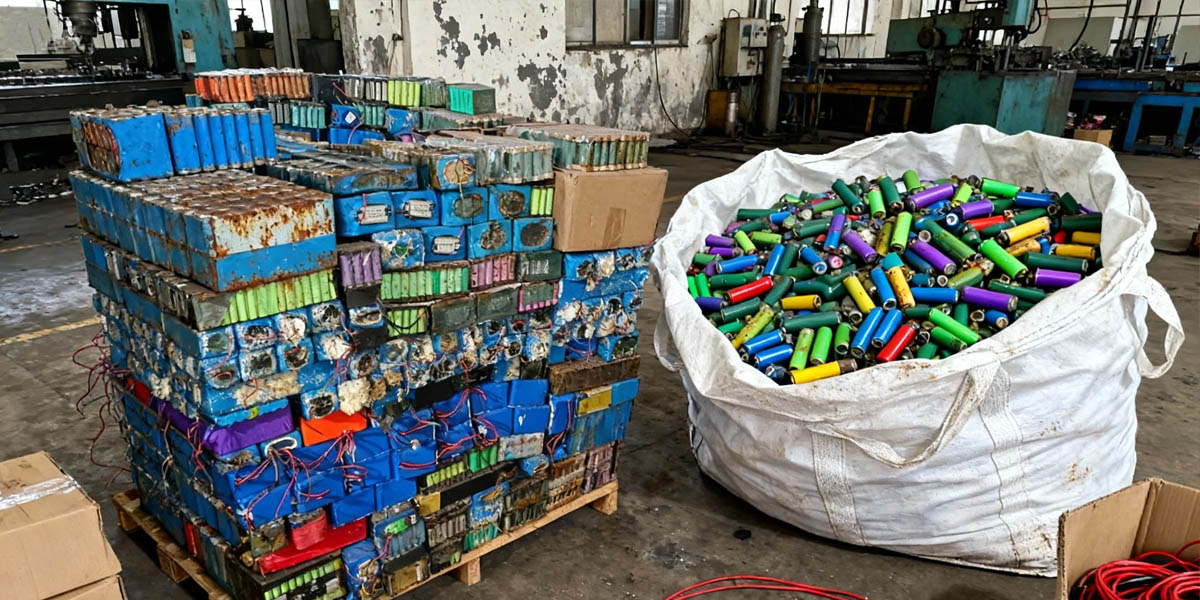 Handling Damaged or Swollen Lithium Batteries Safely
Damaged lithium batteries require special care. Batteries that are swollen, leaking, punctured, or overheating should not be stored indoors or handled casually.
Recommended precautions include:
• Isolating the battery in a non-flammable container
• Avoiding further charging or use
• Delivering the battery directly to a qualified recycling or hazardous waste facility
These precautions help reduce the risk of thermal runaway or fire.
Lithium Battery Disposal from Common DevicesLithium batteries are found in many everyday products, including:
• Mobile phones and laptops
• Power tools and cordless equipment
• Smoke alarms and electronic sensors
• Personal mobility and outdoor devices
Each device type may contain batteries with different form factors, but disposal principles remain the same: do not crush, do not incinerate, and do not discard with household trash.
Environmental and Safety ConsiderationsProper lithium battery disposal protects both people and the environment. Recycling reduces landfill waste, lowers the demand for raw material extraction, and helps prevent fires in waste management systems. Safe handling and responsible recycling practices are increasingly recognized as essential parts of sustainable energy and electronics use.
If you are evaluating battery options for long-term use and safety, exploring _available lithium battery solutions_ can help ensure proper design and protection features are in place.
ConclusionLithium battery disposal and recycling are critical aspects of responsible battery use. Because lithium batteries pose unique safety and environmental risks, they must be handled differently from ordinary waste. By understanding proper disposal methods, recognizing recycling challenges, and using approved recycling programs, users can significantly reduce hazards and contribute to a more sustainable battery lifecycle.
FAQCan lithium batteries be recycled?Yes, most lithium batteries can be recycled through certified recycling programs designed to safely recover materials.
What should I do with a swollen lithium battery?Swollen batteries should be isolated, not charged or used, and taken to a hazardous waste or battery recycling facility as soon as possible.
Why are lithium batteries dangerous in household trash?They can short-circuit, ignite, or explode when crushed or exposed to moisture during waste handling.
Are damaged lithium batteries recyclable?Yes, but they require special handling and should only be processed by qualified recycling facilities.
Do non-rechargeable lithium batteries require the same disposal methods?Yes. Both rechargeable and non-rechargeable lithium batteries should be recycled and never discarded in regular trash.


