| 18650 Battery Cells (1000mAh – 4000mAh) | 3.2V LiFePO4 & 3.7V Li-ion |
✅ Our 18650 cells are available in a wide range of chemistries and capacities, covering both 3.2V LiFePO4 and 3.7V lithium-ion options. With capacities ranging from 1000mAh to 4000mAh, they are designed for applications requiring reliability, whether for vape devices, flashlights, e-cig mods, headlamps, bike lights, doorbell cameras, or even high-drain tools and lasers. These cells include high amperage, high discharge, and top-rated options to ensure consistent performance across different industries.
|
| Low Capacity 3.7V 18650 Battery Cells ( 1000–2000mAh ) |
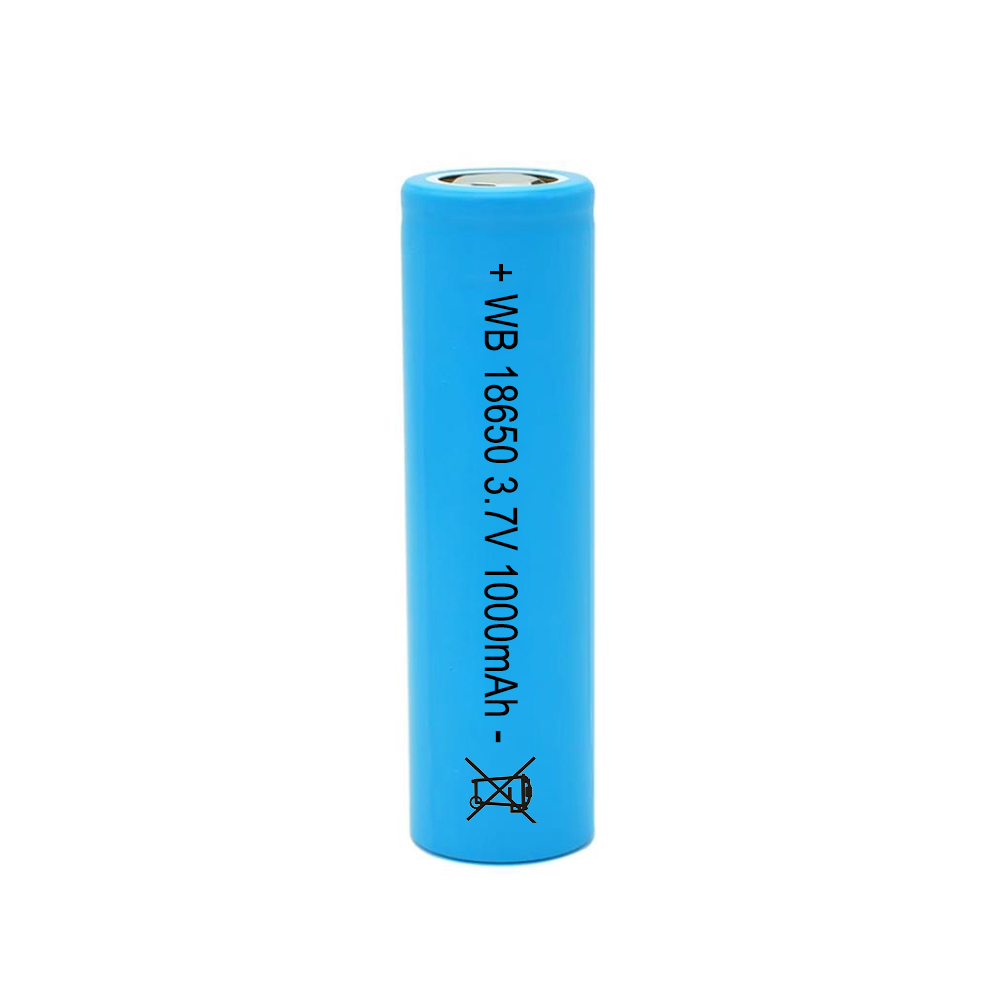
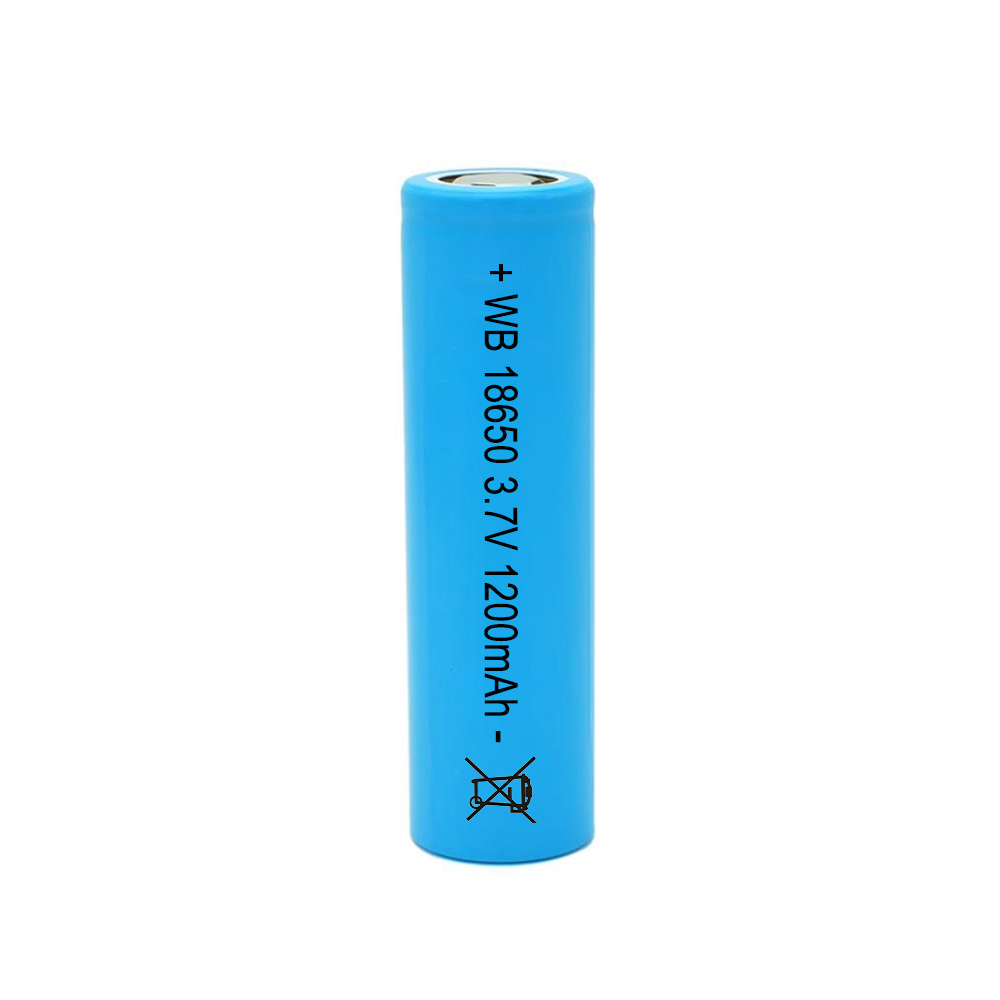
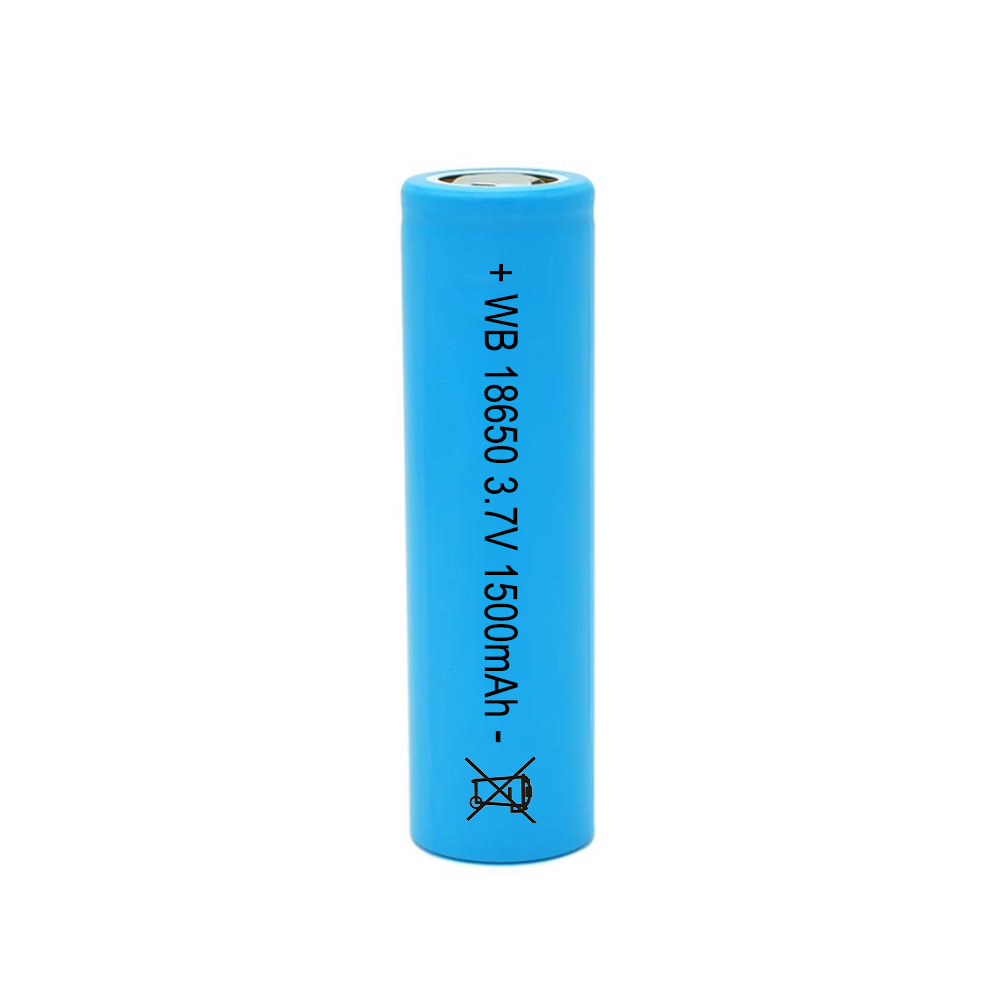
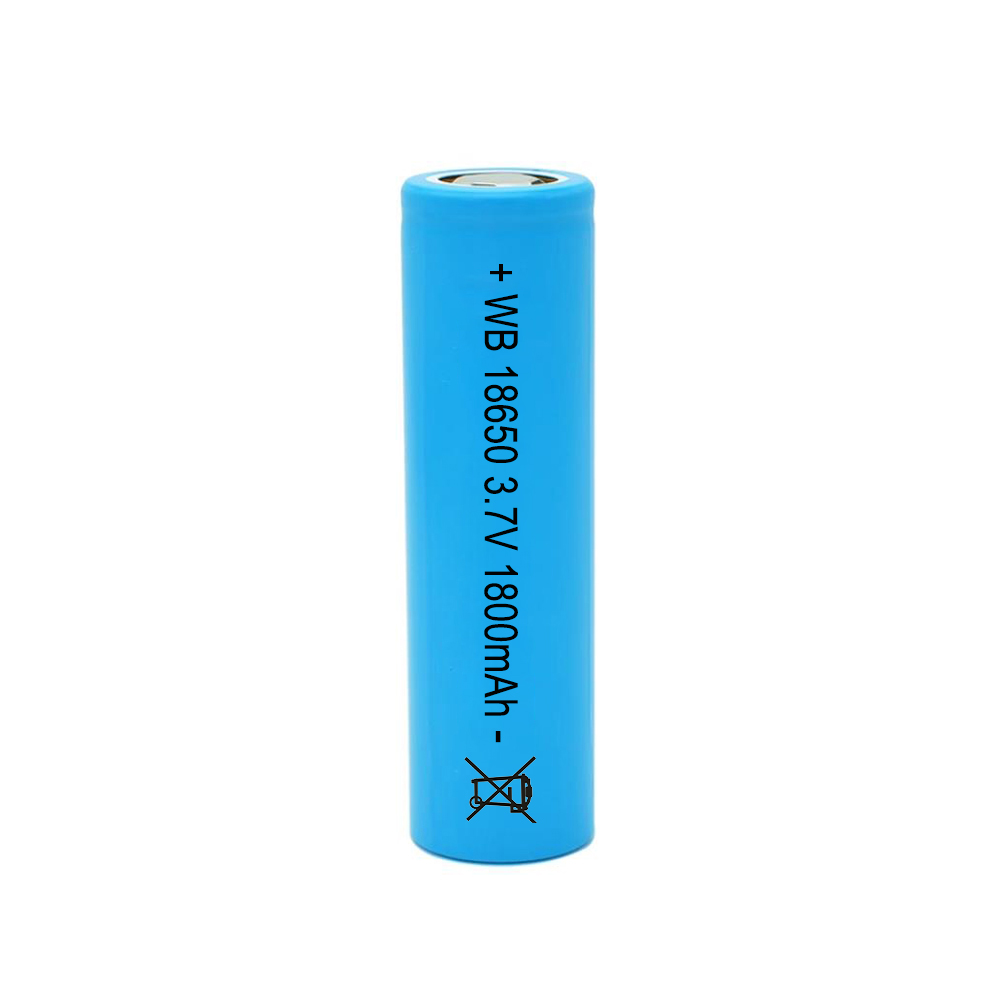
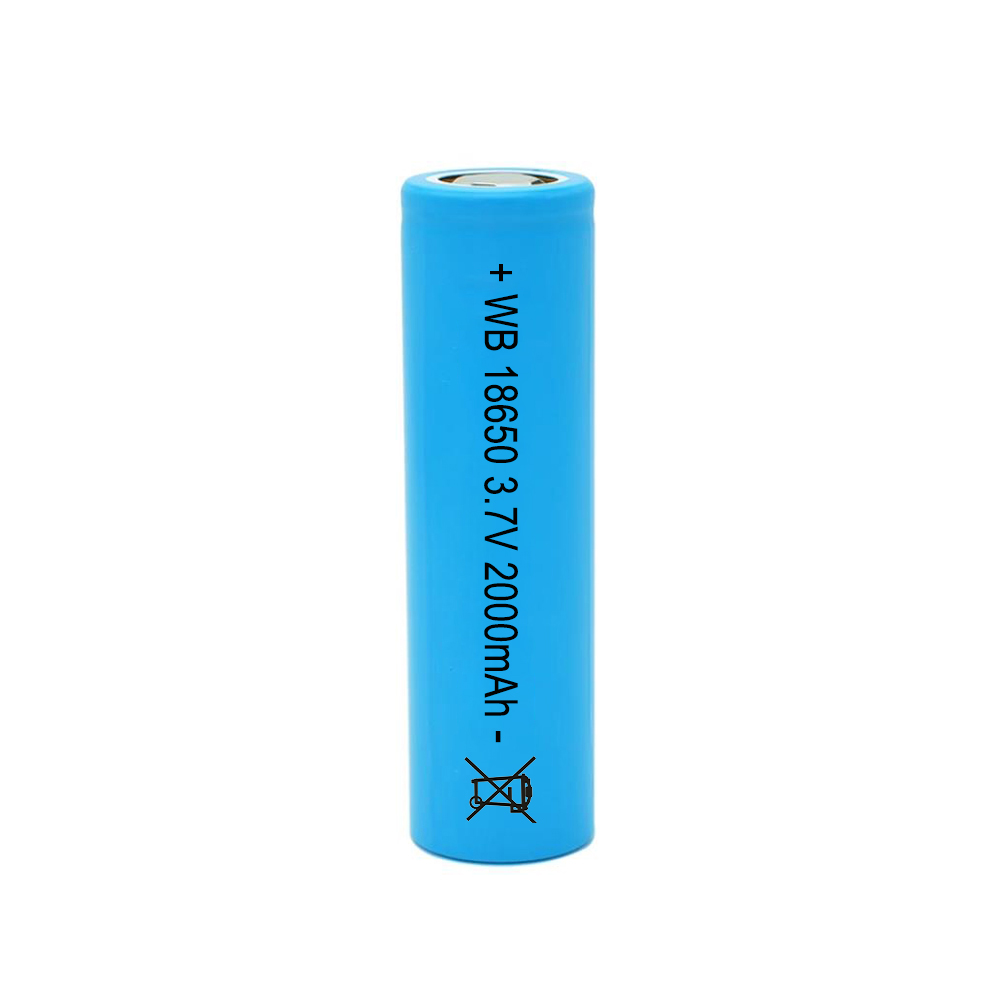
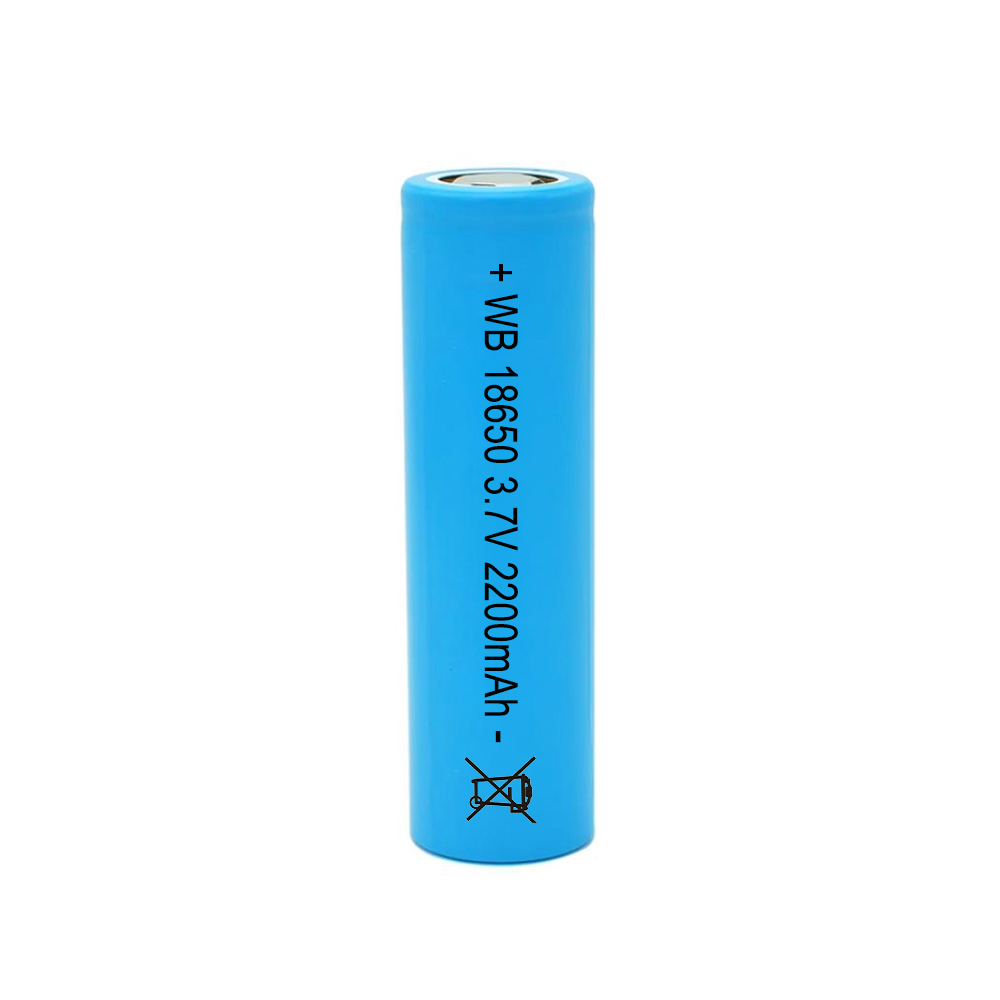
| ✅ Low-capacity 3.7V 18650 lithium ion cells are generally found in small electronics. With capacities like 1000mAh-2000mAh, they offer flexibility in design. In fact, 1300mAh cells are now mostly replaced by 1500mAh, and 1600mAh options are often substituted by 1800mAh. These batteries can deliver different discharge rates, from 1C up to 10C, making them practical for both everyday and specialized devices. |
| 3.7V 1000mAh (1A-10A) |
3.7V 1200mAh (1.2A-12A) |
3.7V 1500mAh (1.5A-15A) |
3.7V 1800mAh (1.8A-18A) |
3.7V 2000mAh (2A-20A) |
3.7V 2200mAh (2.2A-22A) |
 |
 |
 |
 |
 |
 |
| Mid - High Capacity 3.7V 18650 Battery Cells ( 2500–4000mAh ) |
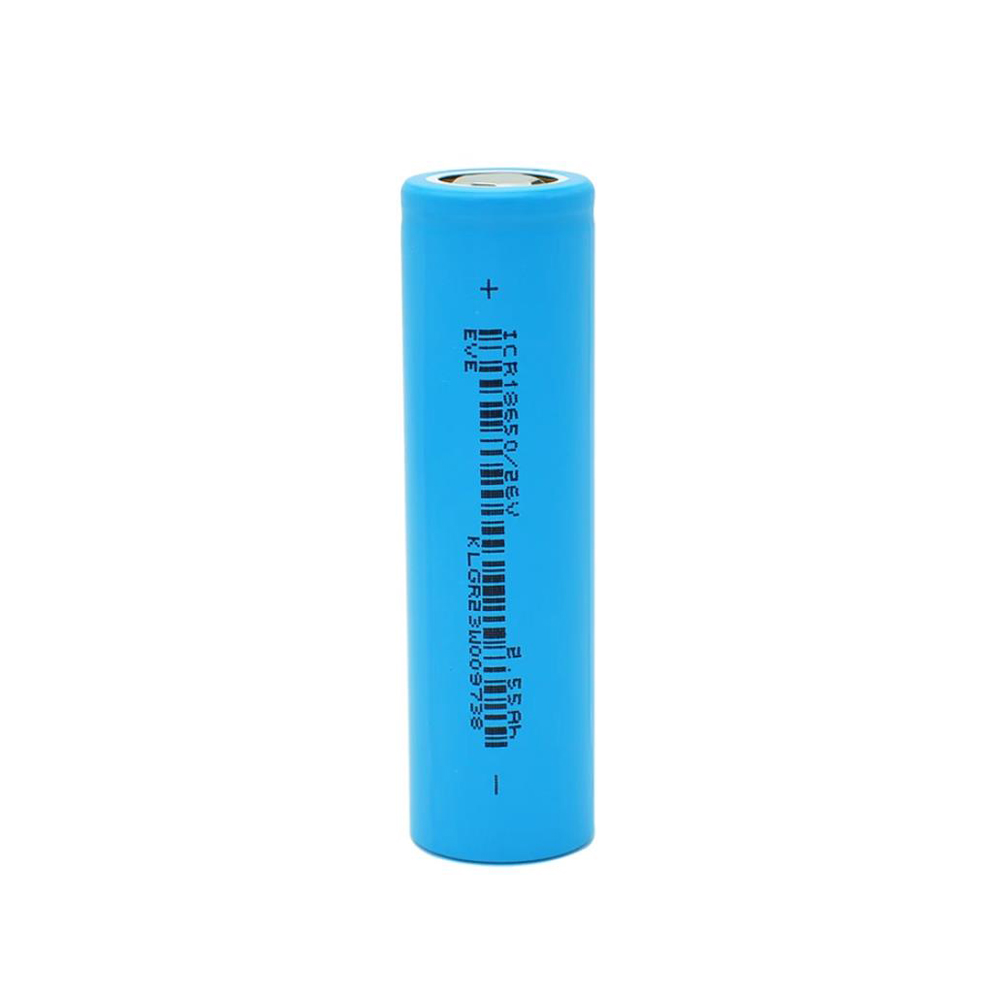
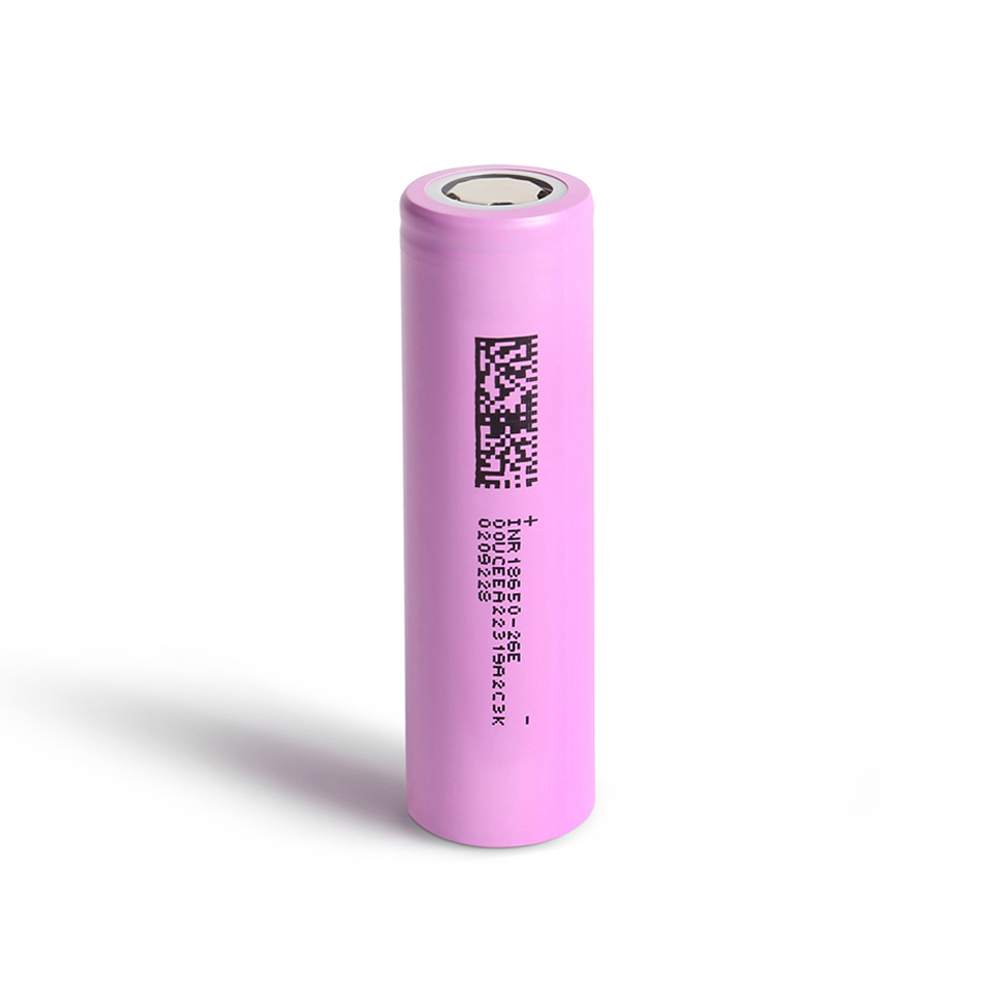
✅ When higher capacity and stable performance are required, premium 3.7V 18650 cells from 2100mAh to 4000mAh become the standard. These include popular sizes like 2200, 2500, 2600, 2800, 3000, 3200, and 3500mAh, which are widely used in ebike battery packs, drones, and power tools. Less common capacities such as 2100, 2250, and 2400mAh are gradually being replaced, while 3100mAh, 3300mAh, and 3400mAh cells are now often substituted with 3200mAh and 3500mAh options. These high-drain cells are trusted for their ability to handle high amperage and maximum discharge current.
|
| 3.7V 2550mAh (7.65A) |
3.7V 2600mAh (13A) |
3.7V 2900mAh (8.7A) |
3.7V 3200mAh (10A) |
3.7V 3500mAh (10A) |
3.7V 4000mAh |
 |
 |
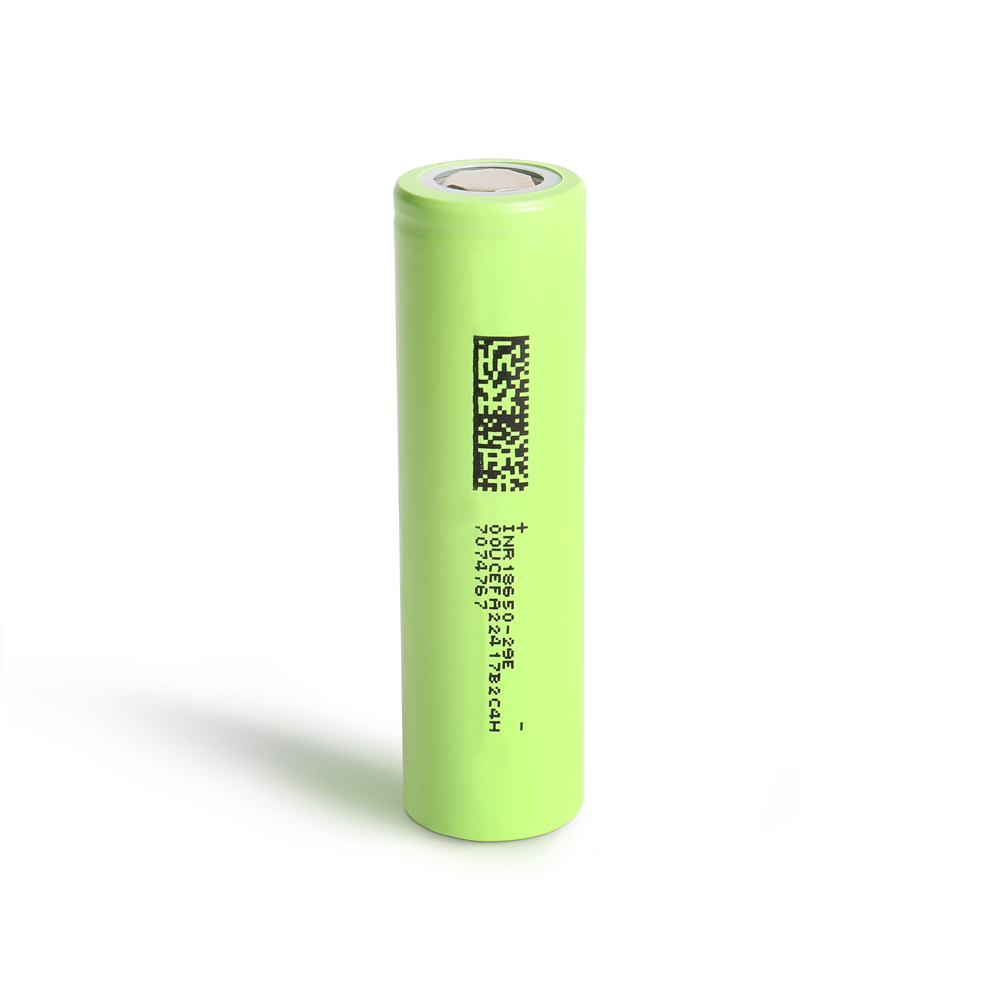 |
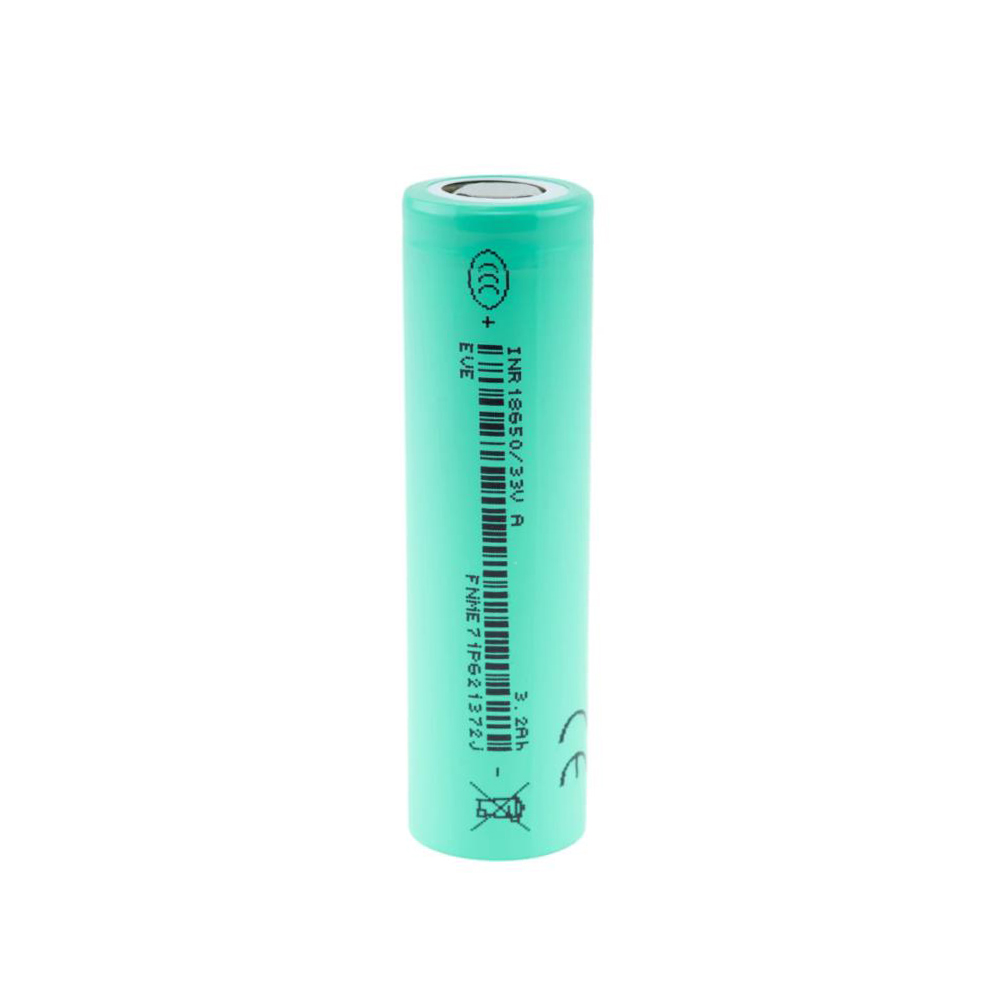 |
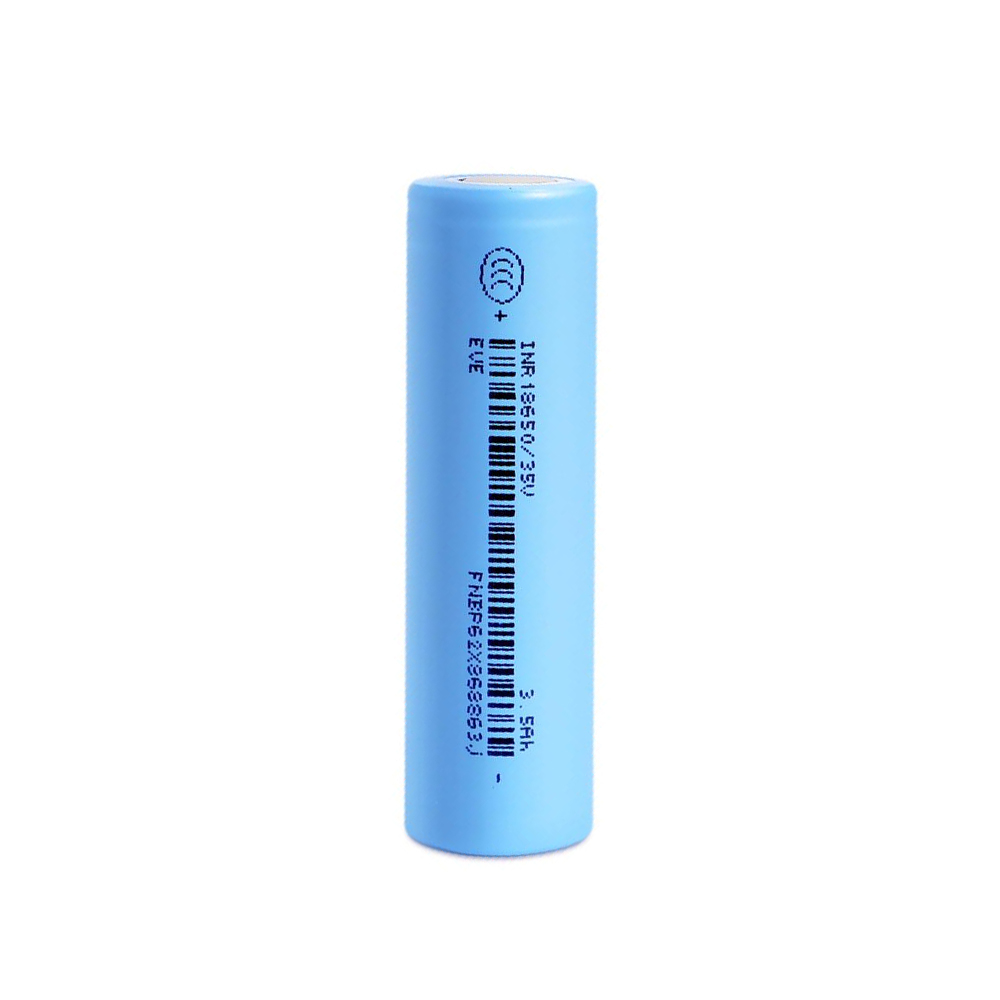 |
is coming |
| High Drain 18650 Battery Cells ( 2000–3500mAh ) | 3.2V LiFePO4 & 3.7V Li-ion |
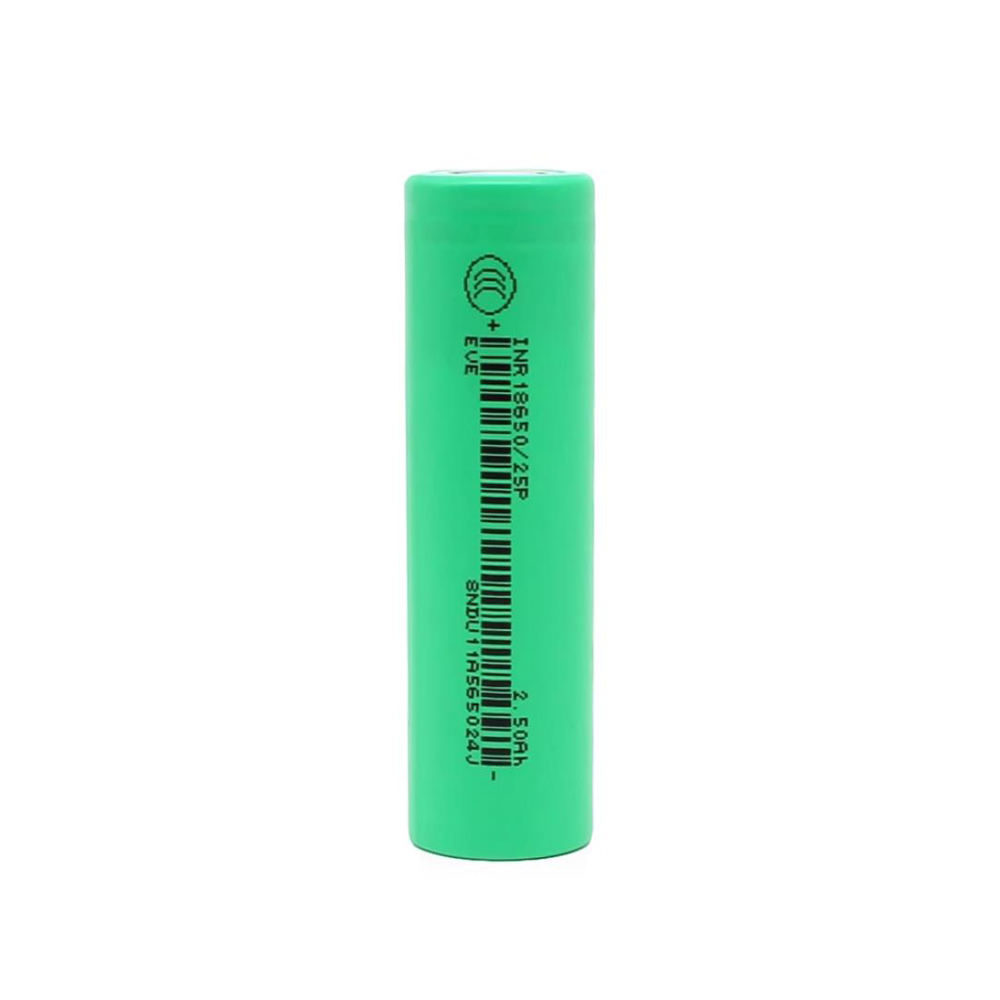
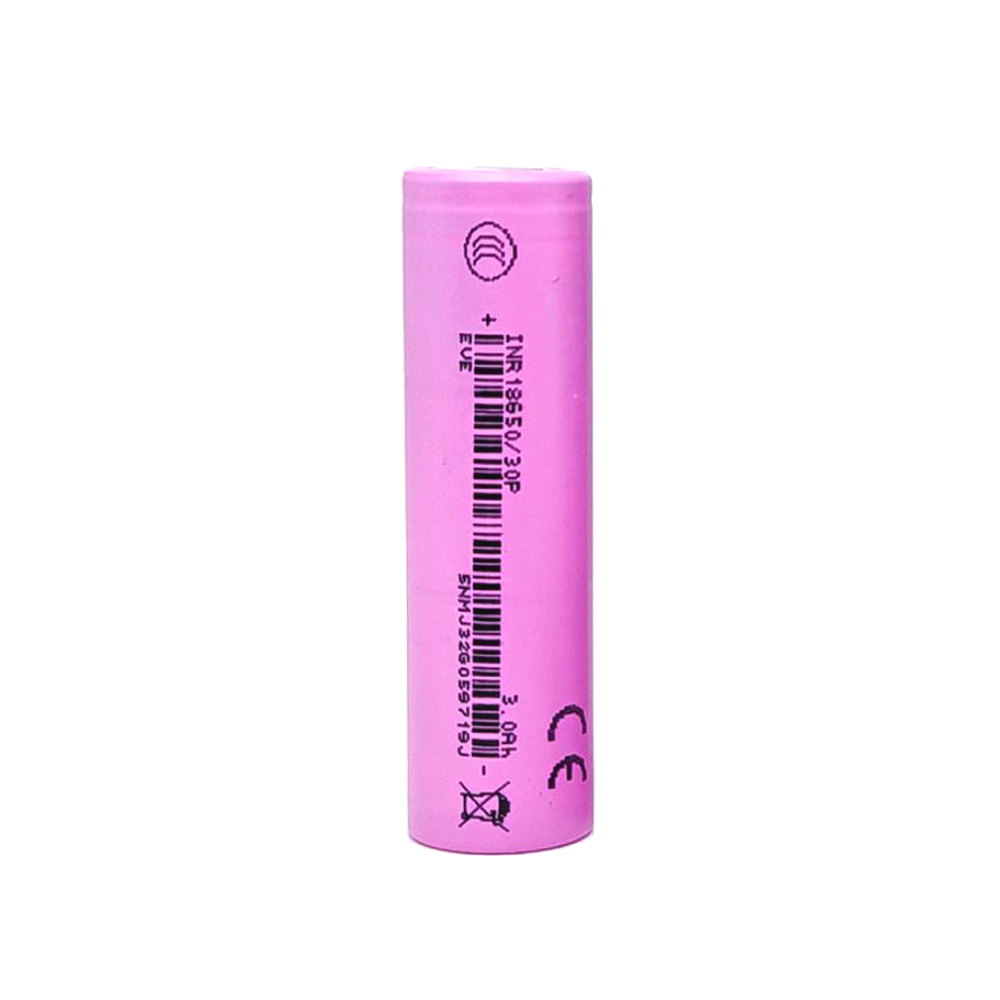
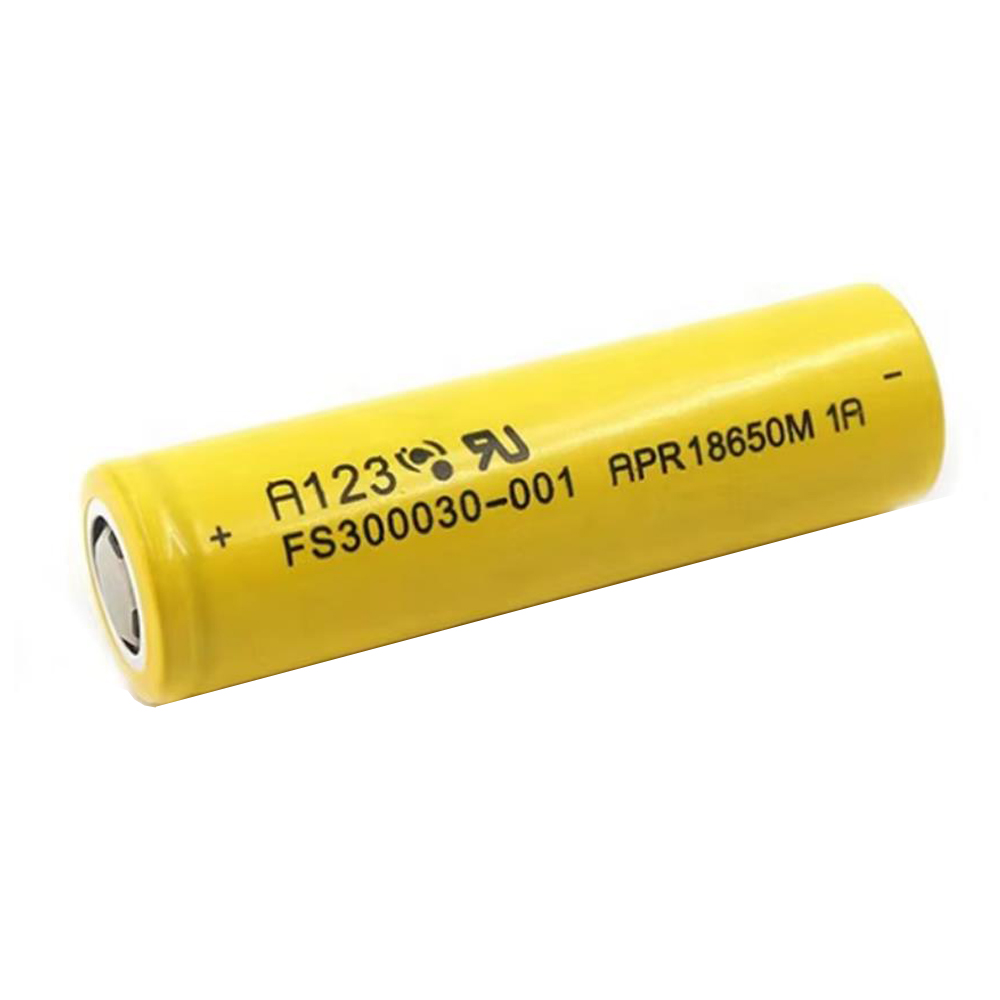
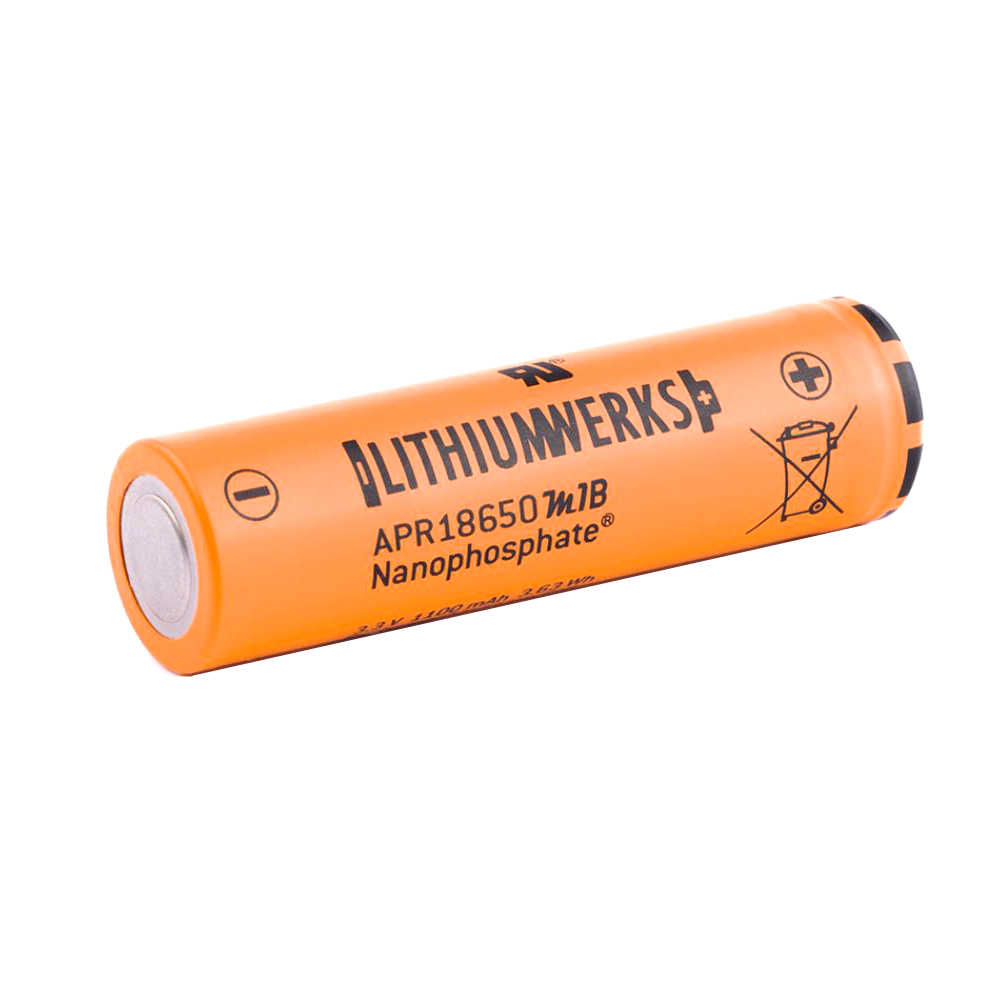
| ✅ Our high drain 18650 battery cells range from 2000mAh to 3500mAh, covering both 3.2V 18650 LiFePO4 and 3.7V lithium-ion options. These cells are designed to deliver stable, reliable power for a variety of high-current applications, including flashlights, vape devices, e-bikes, and power tools. With options for protected or unprotected, flat top or button top, our 18650 cells provide top-quality performance and long-lasting durability, sourced from trusted, genuine brands to ensure safety and consistent output. |
| 3.7V 2000mAh (30A) |
3.7V 2500mAh (30A) |
3.7V 3000mAh (30A) |
3.2V 1100mAh (33A) |
3.2V 1100mAh (55A) |
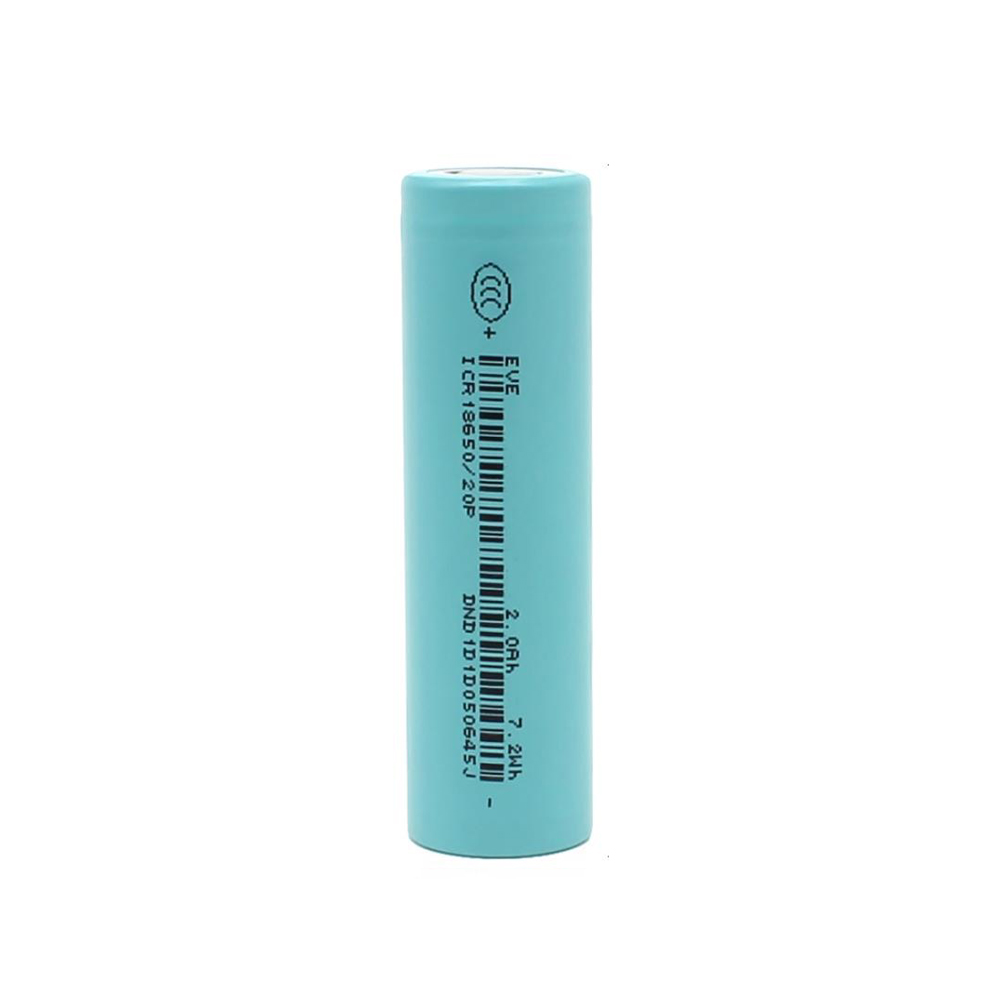 |
 |
 |
 |
 |
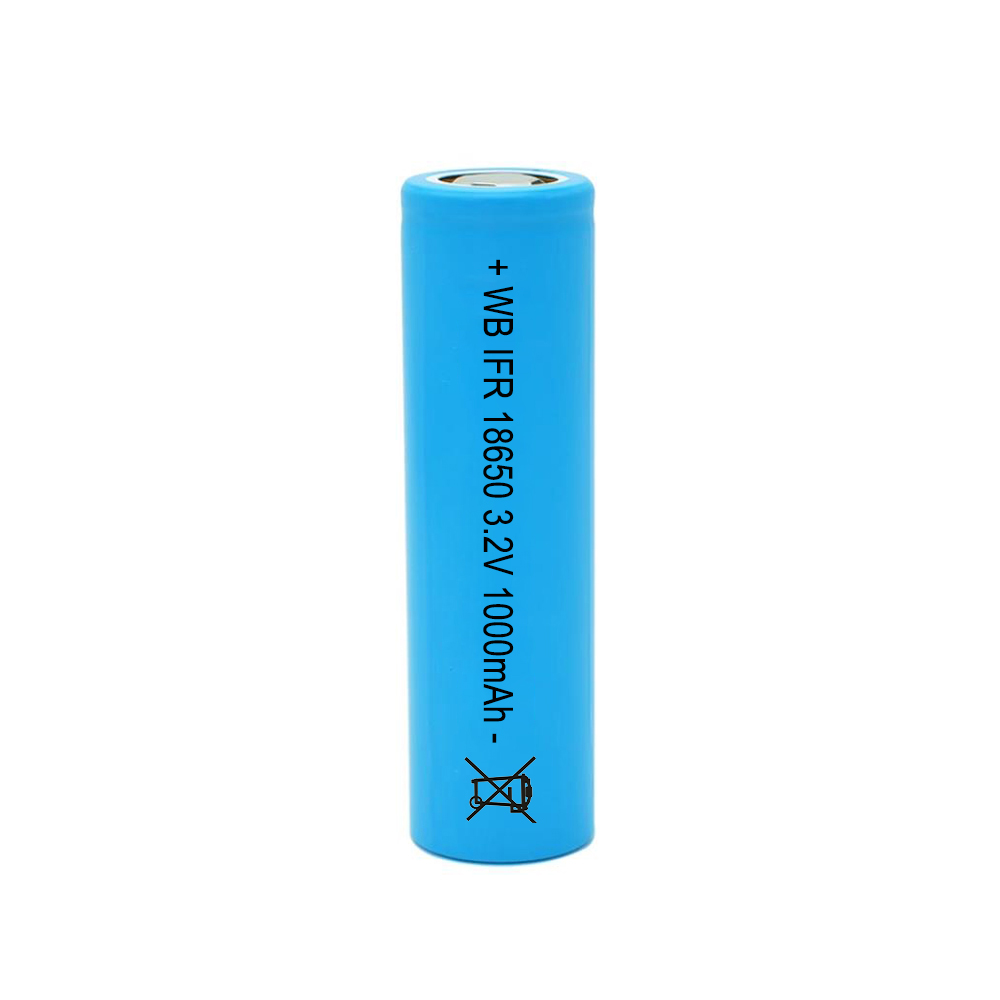
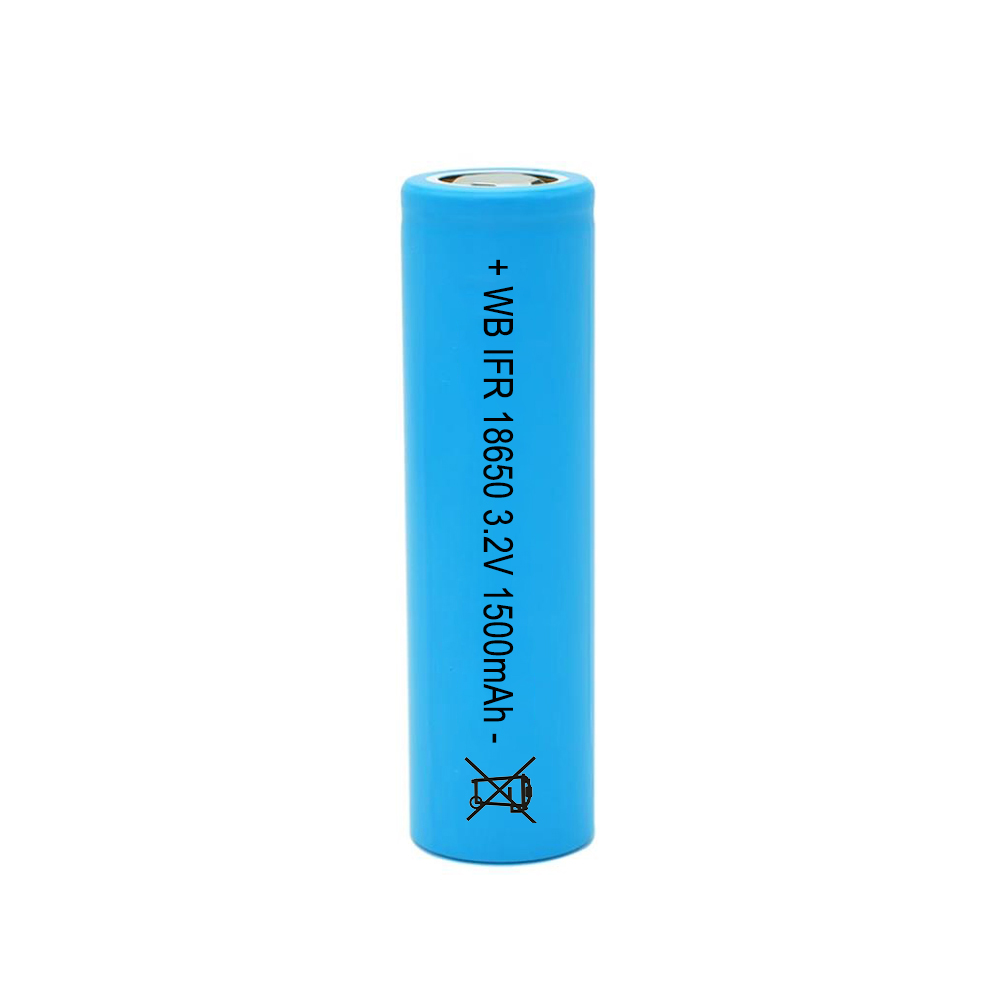
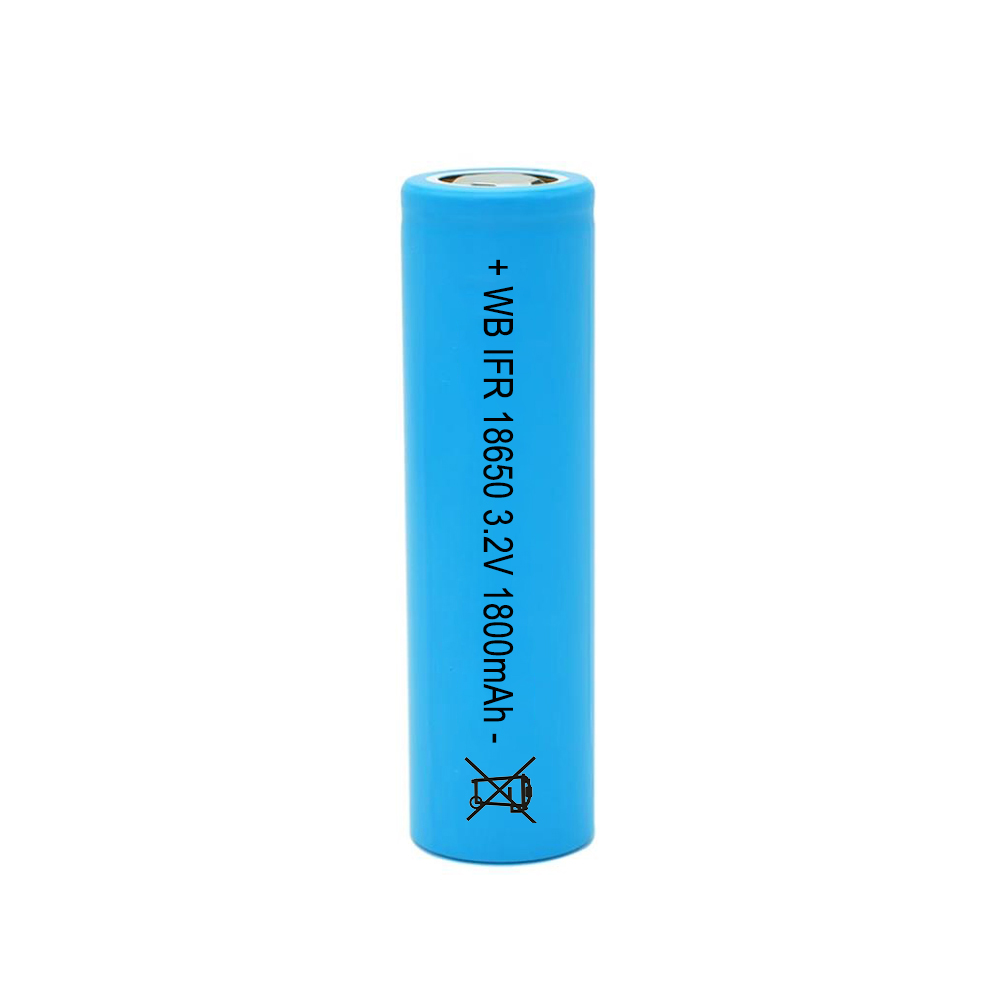
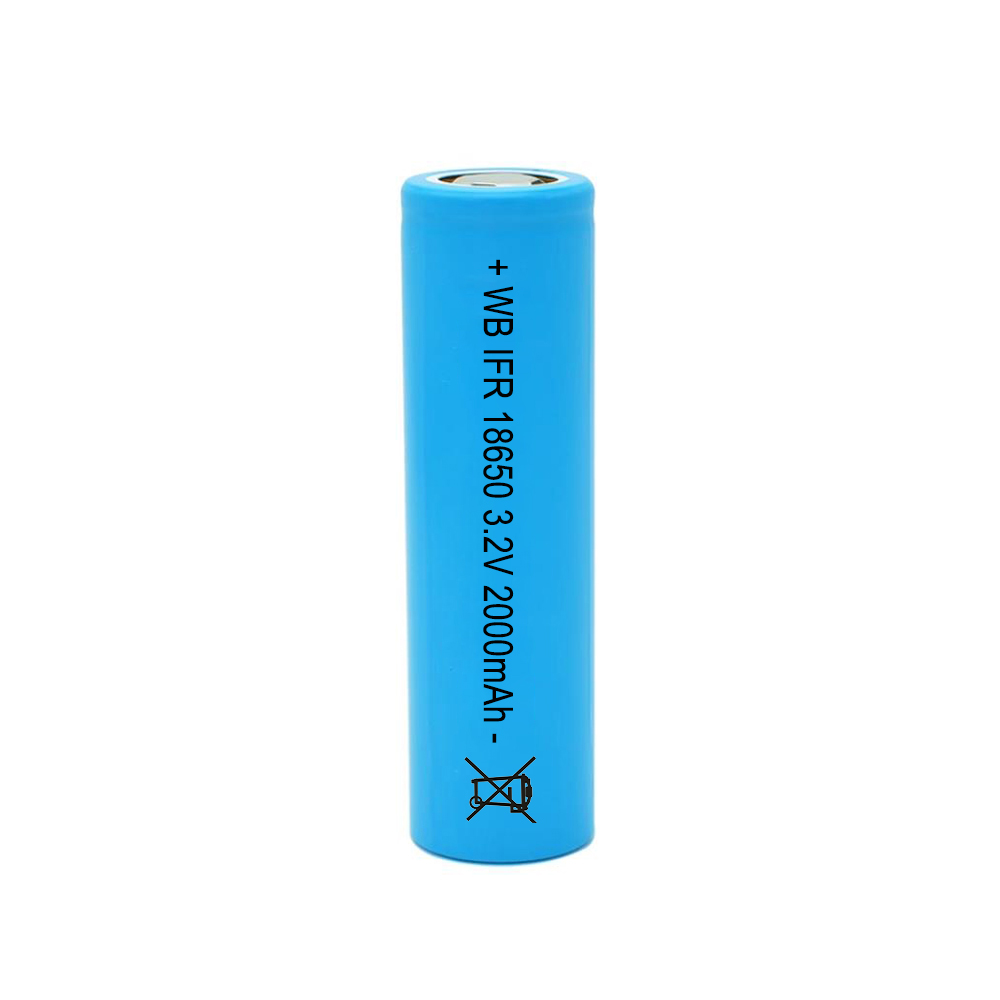
| 3.2V 18650 LiFePO4 Battery Cells ( 1000–2000mAh ) |
| ✅ For applications where safety and longevity matter most, LiFePO4 cells are the preferred choice. These 3.2V 18650 IFR cells are available in capacities such as 1000mAh, 1500mAh, 1800mAh, and 2000mAh, and dischaging rate from 1C-5C They are well-suited for flashlights, solar storage, and custom packs where stable performance is required. Their lower energy density compared to li-ion is balanced by extra safety and cycle life. |
| 3.2V 1000mAh (1A-5A) |
3.2V 1500mAh (1.5A-7.5A) |
3.2V 1800mAh (1.8A-9A) |
3.2V 2000mAh (2A-10A) |
 |
 |
 |
 |
| Highest Capacity, Amperage, and Quality 18650 Battery Cells |
| ✅ The most common questions from customers are: Which 18650 has the highest capacity? Which cell delivers the highest amp rating? Which battery lasts the longest? At present, 3500mAh genuine cells are the highest capacity available on the market, despite claims of 3700mAh–4000mAh. While research cells up to 3600mAh–4000mAh exist, they are not mass-produced. For highest rated discharge, 25A and 35A high drain cells from Samsung 18650 remain the most trusted, outperforming many competitors. In terms of safety and energy density, Samsung is considered the top-rated and best-rated brand, while other premium brands such as LG, Panasonic, and Molicel are also strong alternatives. |
| Highest Capacity |
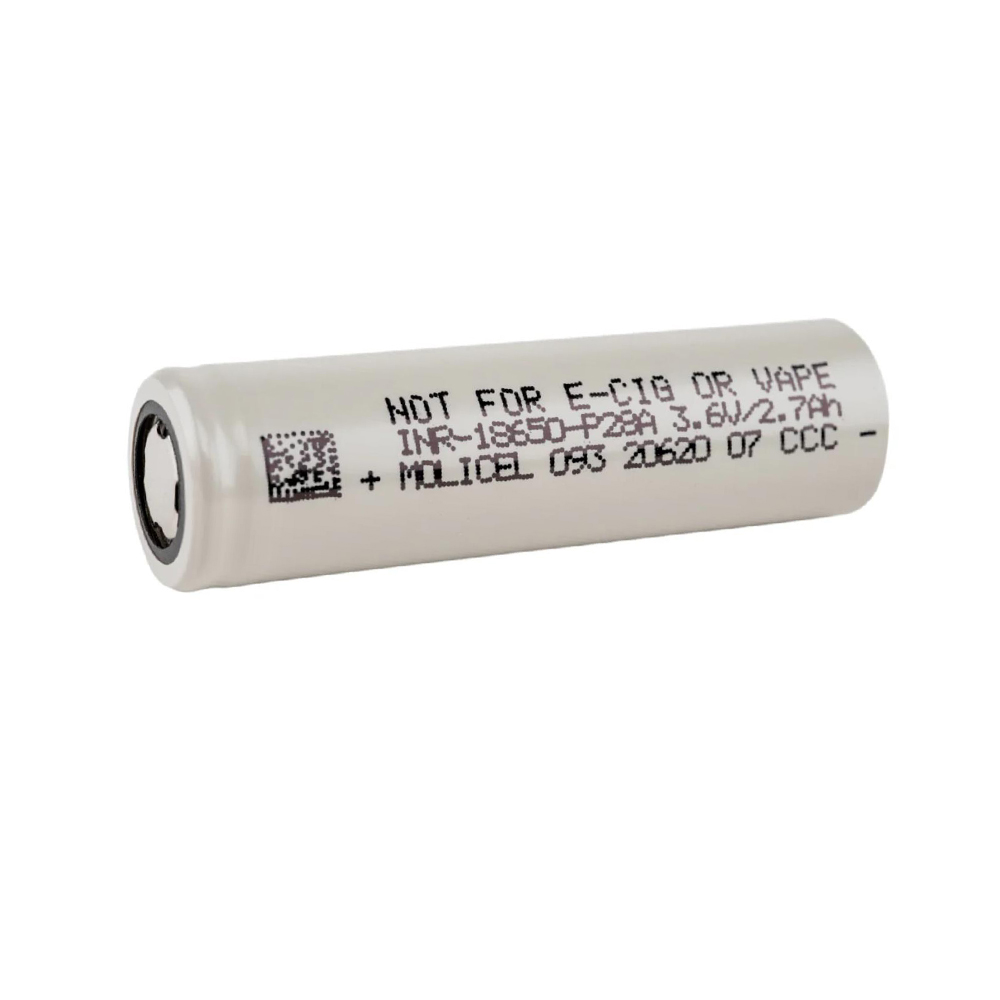
Highest Amp - Molicel P28A 18650 2800mAh 35A |
Longest Lasting |
| 3.7V 4000mAh is coming |
 |
Tabless 18650 Battery is coming |
| 18650 Battery Customization Services – Button Top, Flat Top, Protected & Unprotected |
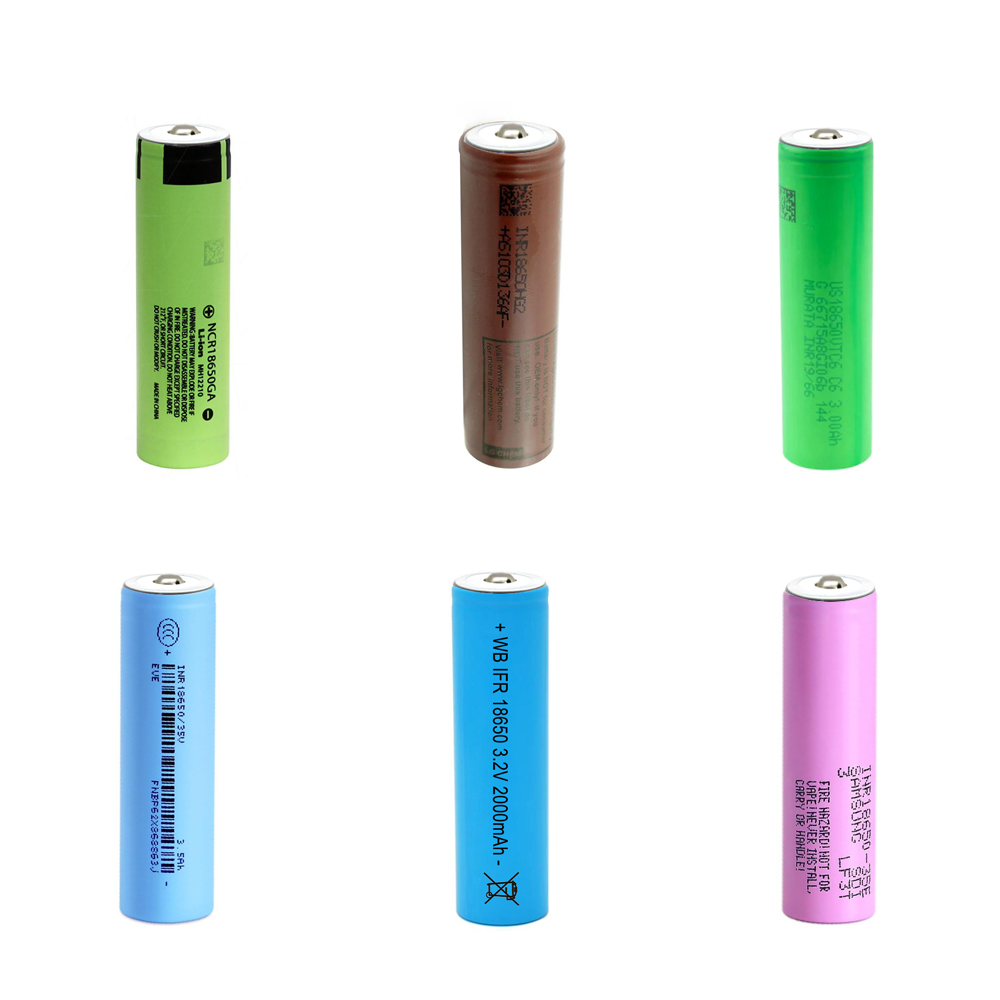
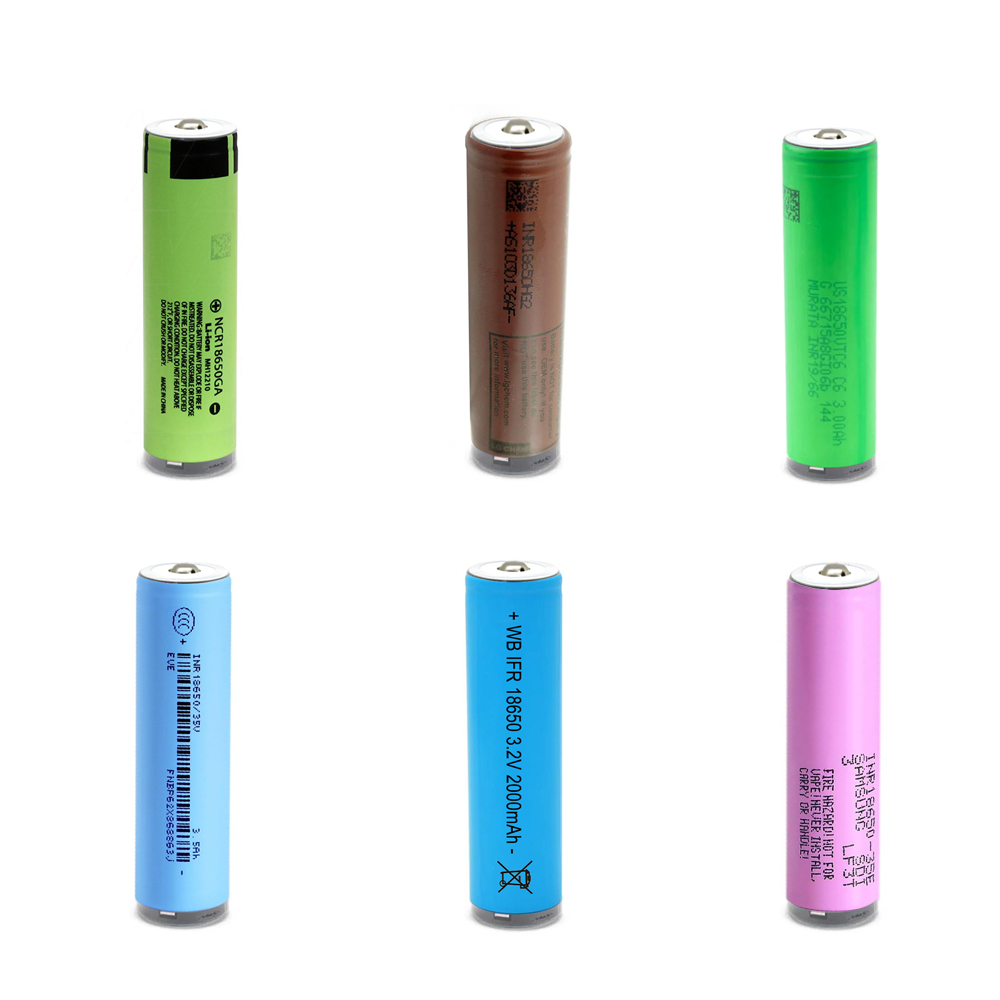
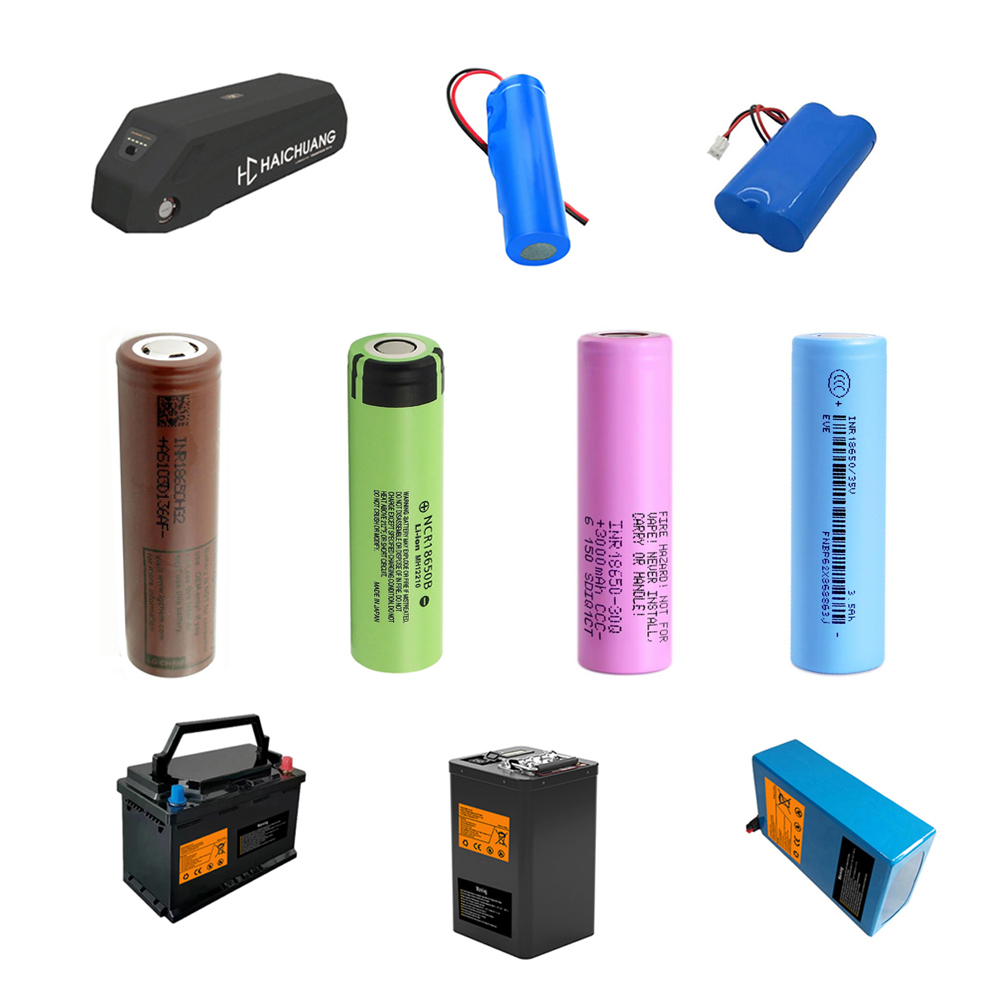
| ✅ We offer custom 18650 battery solutions to meet your specific needs, including button top or flat top, protected or unprotected, with or without BMS, solder tabs or terminals, and even USB port or protection circuit options. Our customization services ensure that every battery pack is tailored for your device, whether it’s for flashlights, vape devices, e-bikes, or other high-drain applications. |
| Button Top |
Button Top + Bms Protection |
Battery Pack |
 |
 |
 |
You may see 18650 batteries marketed with capacities like 3800, 4000, 4200, 4800, 5000, 5200, 5800, 6000, 6800, 8800, 9000, 9800, 9900, and even 10000 mAh, especially in some flashlight brands. So, are these real?
✅ The truth is, current 18650 technology only supports up to around 3500 mAh in genuine single cells. While there are mentions of 3600 mAh or 4000 mAh cells, they are not widely available on the market. Many of the larger capacities, like 4800 mAh and above, are mostly virtual or exaggerated ratings, often seen in marketing for flashlight brands or multi-cell packs.
✅ So if you see a 3.7V 18650 lithium battery advertised with 5000 mAh, 5200 mAh, 5800 mAh, 6000 mAh, 6800 mAh, 8800 mAh, 9000 mAh, 9800 mAh, 9900 mAh, or 10000 mAh, it’s usually not a single cell. Realistically, the highest capacity single 18650 cells in production today are 3500 mAh, and anything above that either requires parallel packs or is overstated by the brand.
✅ In short, when choosing 18650 cells for vapes, flashlights, or high-drain applications, always check the genuine specifications, because capacity claims beyond 3500 mAh per cell are almost never accurate. This ensures you get reliable performance and avoiddisappointment from exaggerated marketing numbers.
I see labels like ICR, INR, IMR, NCR, and IFR on batteries. What do they mean?✅ These are just prefixes that describe the battery’s chemistry. For example, ICR, INR, IMR, and NCR are all lithium-ion cells that usually run at 3.6–3.7 volts. The differences are mostly technical and not something most users need to worry about.
What’s Special About IFR Batteries?✅ IFR means the cell is LiFePO4, which runs at 3.2 volts. These batteries are popular because they are very safe and have a long cycle life.
Do I Really Need to Care About These Prefixes When Buying Batteries?✅ Not too much. For most buyers, it’s more important to look at the battery’s discharge rate, how much current it can handle, and its energy capacity. The prefix is just background info.


