✅ Car Battery Life: How Long It Lasts
• How Many Years Does a Car Battery Last • Car Battery Life by Mileage
✅ Car Battery Life Extending
✅ Common Habits That Shorten Car Battery Life
✅ Average Car Battery Life
• Why Many Batteries Don’t Reach the Average Lifespan • High-Quality Batteries Last Longer • Lithium Batteries Offer Longer Lifespan
✅ Check Car Battery Life Checking
• What to Check on a New Battery • Signs an Older Battery Is Wearing Out • How Lead-Acid Batteries Are Checked • How Lithium Batteries Show Their Condition
✅ Car Battery Warranty: What It Really Means✅ Conclusion✅ FAQ
How long does a car battery last? How long does the average car battery last? How to check car battery life? How to extend car battery life?When people talk about car battery life, they are usually referring to the 12V battery used in gasoline vehicles—most commonly a lead-acid battery that powers starting, ignition, and onboard electronics.
While lead-acid remains the standard, LiFePO4 lithium batteries are starting to replace traditional car batteries in some applications, offering longer lifespan and improved performance. If you want a broader look at different car battery types and how they compare, you can explore our
guide to car batteries.
If you're actually looking for
the lifespan of an electric car battery, that refers to a completely different high-voltage system used in EVs, which is covered separately in our guide to electric car battery life.
In the sections below, we’ll focus on how long a typical 12V car battery lasts, what affects its lifespan, and how to extend it in real-world use.
Car Battery Life: How Long It LastsA typical car battery life for a 12V lead-acid battery is around 3 to 5 years, depending on usage, climate, and charging conditions. Even under ideal conditions, no battery lasts forever, as the internal chemical materials gradually degrade over time.
• How Many Years Does a Car Battery Last
In most vehicles, a standard lead-acid car battery lasts between 3 and 5 years. Factors like frequent short trips, extreme temperatures, and improper charging can shorten this lifespan, while stable driving conditions may help it last slightly longer.
Regardless of usage frequency, the battery will continue to age. This is because the internal chemical materials—such as lead plates and electrolyte—naturally degrade over time, even when the battery is not actively used.
In comparison, lithium batteries—especially LiFePO4 types—typically offer a longer lifespan, often lasting significantly more charge cycles than traditional lead-acid batteries. They also maintain more stable performance over time, which is why they are increasingly used as replacements in certain automotive applications.
• Car Battery Life by Mileage
Unlike many mechanical components, car battery life is not strictly determined by mileage. A battery can fail in a low-mileage vehicle if it sits unused for long periods, or last longer in a high-mileage vehicle that is driven regularly.
However, mileage still has an indirect impact. Vehicles that accumulate many short trips may experience faster battery wear due to repeated starting cycles and insufficient charging time, while long, consistent drives tend to support better battery health.
Lithium batteries also show advantages in this aspect, as they are less affected by partial charging and can better tolerate irregular usage patterns, contributing to more consistent performance over time.
 Car Battery Life Extending
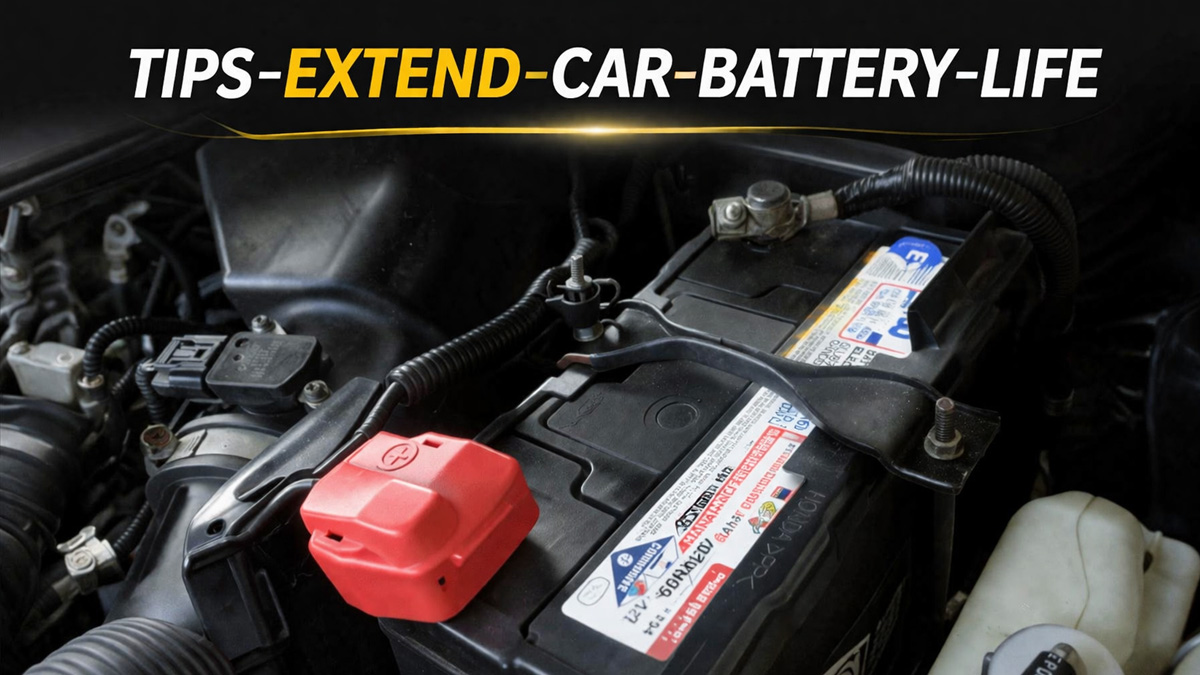
In everyday use, extending car battery life is less about technical adjustments and more about consistent habits. Most battery failures don’t happen suddenly—they build up over time due to small, avoidable factors. From experience, a few simple practices can make a noticeable difference in how long a battery lasts.
- Avoid frequent short trips
Short drives don’t give the alternator enough time to fully recharge the battery after starting. If most of your trips are under 10–15 minutes, the battery gradually loses charge over time. Combining errands into one longer drive helps maintain a healthier charge level.
- Keep the battery properly charged
Letting a battery sit partially discharged for long periods accelerates wear. If the vehicle isn’t used often, using a maintenance charger occasionally can help preserve capacity and prevent deep discharge.
- Reduce unnecessary electrical load
Leaving headlights, interior lights, or electronics on when the engine is off is one of the fastest ways to drain a battery. Even small drains, repeated over time, can shorten its lifespan.
- Pay attention to temperature conditions
Heat speeds up internal chemical reactions and accelerates aging, while extreme cold reduces available power. Parking in a shaded or sheltered area can help reduce temperature-related stress on the battery.
- Check connections and battery condition regularly
Loose or corroded terminals can interfere with proper charging and discharging. Keeping the terminals clean and ensuring a solid connection helps the battery operate more efficiently over time.
In practice, extending car battery life comes down to avoiding the small habits that quietly wear it down over time. You don’t need to do anything complicated—just keep the battery properly charged, avoid unnecessary drain, and pay attention to how the vehicle is used day to day. While every battery will eventually reach the end of its life due to natural chemical aging, maintaining stable conditions and good usage habits can help it last as long as it realistically can.
Common Habits That Shorten Car Battery LifeIn many cases, a car battery doesn’t fail because of age alone, but because of repeated usage patterns that accelerate wear. These habits may seem minor in the moment, but over time they can significantly reduce battery life.
- Frequent short trips
Starting the engine consumes a large amount of power, but short drives don’t allow enough time for the alternator to fully recharge the battery. Repeating this pattern leads to a gradual loss of charge and faster degradation.
- Leaving electrical devices on with the engine off
Headlights, interior lights, or onboard electronics can quickly drain the battery when the engine isn’t running. Even small, repeated drains increase stress on the battery and shorten its lifespan.
- Letting the battery sit unused for long periods
When a vehicle is not used for weeks or months, the battery slowly self-discharges. Without periodic recharging, this can lead to deep discharge, which damages the internal structure of the battery.
- Exposure to extreme temperatures
High temperatures accelerate internal chemical reactions, causing faster aging, while very low temperatures reduce performance and increase strain during starting. Both extremes contribute to a shorter overall lifespan.
- Ignoring signs of corrosion or loose connections
Corroded or loose terminals can disrupt proper charging and increase resistance, making the battery work harder than it should. Over time, this reduces efficiency and speeds up wear.
These behaviors don’t usually cause immediate failure, but their effects accumulate. By recognizing and avoiding them, you can prevent unnecessary stress on the battery and maintain more stable performance throughout its lifespan.
Average Car Battery LifeThe average car battery life for a typical 12V lead-acid battery is around 3 to 5 years under normal conditions. However, this figure is only a general benchmark—actual lifespan can vary significantly depending on battery quality, manufacturing standards, and real-world usage.
• Why Many Batteries Don’t Reach the Average Lifespan
In practice, not all car batteries are built to the same standard. Due to intense price competition in the lead-acid battery market, many low-cost options are manufactured with lower-grade materials or less strict quality control. As a result, these batteries often struggle to reach the expected average lifespan and may fail earlier than anticipated.
• High-Quality Batteries Last Longer
On the other hand, batteries produced by reputable brands and large-scale manufacturers tend to use more stable materials and stricter production processes. With proper usage and maintenance, these batteries can often exceed the typical 3–5 year range and deliver more consistent performance over time.
• Lithium Batteries Offer Longer Lifespan
Compared to traditional lead-acid batteries, high-quality lithium batteries—especially those manufactured by established producers—can last several times longer in terms of cycle life. They also maintain more stable performance and are less affected by partial charging or irregular usage, making them an increasingly attractive option in certain automotive applications.
While the average car battery life provides a useful reference, the actual outcome depends heavily on quality and usage. Choosing a well-built battery and maintaining proper conditions can make a noticeable difference in how long it truly lasts.
Check Car Battery Life CheckingChecking car battery life isn’t a single test—it depends on the battery’s age and type. A new battery and an older one should be evaluated differently, and lead-acid and lithium batteries also behave in distinct ways. Understanding these differences helps you judge battery condition more accurately.
• What to Check on a New Battery
For a new battery, the focus is on confirming it is in good condition from the start. Check the resting voltage after installation—typically around 12.6V or higher for a fully charged lead-acid battery—and ensure the engine starts smoothly without hesitation.
For lithium batteries, voltage tends to remain more stable, so performance consistency and normal starting behavior are better indicators than small voltage differences.
• Signs an Older Battery Is Wearing Out
For an older battery, the key is identifying signs of degradation. Slower engine cranking, dimming lights, or voltage dropping quickly under load are common indicators that the battery is nearing the end of its life.
If the battery struggles after sitting for a short period or requires frequent recharging, it is usually a sign that capacity has significantly declined.
• How Lead-Acid Batteries Are Checked
Lead-acid batteries can be evaluated using voltage readings and load testing. A healthy battery typically maintains stable voltage and recovers after starting.
Visible signs such as corrosion on terminals, swelling, or electrolyte issues can also indicate internal wear or damage.
• How Lithium Batteries Show Their Condition
Lithium batteries generally maintain a more stable voltage throughout their lifespan, so voltage alone is not always a reliable indicator of remaining capacity.
Instead, consistent performance, stable starting behavior, and the absence of sudden power drops are better signs of a healthy lithium battery. High-quality lithium batteries also tend to show less gradual decline compared to lead-acid types.
In practice, checking battery life is about observing patterns rather than relying on a single measurement. By considering both the battery’s age and its chemistry, you can make a more accurate judgment about when it is still reliable and when it may need replacement.
 Car Battery Warranty: What It Really Means
Most car batteries come with a limited warranty of around one year, although some brands may advertise longer coverage. In reality, early failure within the first year is relatively uncommon, because a starter battery is only heavily used during engine ignition and remains under light load for most of its life.
- Limited Coverage
While a one-year warranty sounds reassuring, actual after-sales support can vary significantly between sellers. In some cases, warranty claims require strict conditions or proof of proper use, and the process itself may not always be straightforward or reliable.
- Low Claim Rate
When a battery fails, especially unexpectedly, many drivers choose to replace it immediately rather than go through the warranty process. This means the theoretical warranty period doesn’t always translate into practical protection.
- Quality Matters More
In practice, battery quality has a much greater impact than warranty length. Cheaper batteries may look similar on paper but often use lower-grade materials, leading to shorter lifespan and inconsistent performance. Selecting a battery from a reputable brand or established manufacturer is usually a more reliable way to ensure durability, rather than relying on warranty promises alone. Ultimately, warranty terms can provide some peace of mind, but they should not be the deciding factor. A well-built battery with stable quality is far more valuable over time than a low-cost option with limited or uncertain coverage.
Conclusion
Car battery life is often described in simple numbers, but in reality, it depends on how the battery is used, the conditions it operates in, and the quality of the battery itself. While most 12V lead-acid batteries last around 3 to 5 years, real-world results can vary widely—some fail earlier due to poor usage habits or low build quality, while others last longer with proper care.
Understanding how battery aging works, recognizing early signs of decline, and avoiding common damaging habits can make a noticeable difference in everyday reliability. At the same time, choosing a well-built battery from the start is just as important as how it is maintained.
As battery technology continues to evolve, lithium options are becoming more common, offering longer lifespan and more stable performance. But regardless of the type, every battery will eventually wear out. The goal is not to stop that process, but to manage it well—so the battery lasts as long as it realistically can without unexpected failure.
FAQHow long does a car battery last?A typical car battery lasts 3 to 5 years, depending on usage, climate, and battery quality.
How long does the average car battery last?The average lifespan is around 3–5 years, but higher-quality batteries can last longer under stable conditions.
How to check car battery life?Check for signs like slow engine start, low voltage, or dim lights. A voltage test or load test can give a more accurate result.
How to extend car battery life?Avoid short trips, keep the battery charged, reduce unnecessary electrical load, and protect it from extreme temperatures.
 Car Battery Life Extending


