WELCOME TO OUR BLOG

We're sharing knowledge in the areas which fascinate us the most
click

Ebike Battery Charging Guide: Charging Time, Methods & Charger Selection

By whalebattery February 9th, 2026 493 views
How To Charge An Ebike Battery
When To Charge An Ebike Battery
      • Charging Frequency
      • Is It Ok To Charge Ebike Battery Every Day
      • Charging After Every Ride
First-Time Charging
Charging Time
Different Methods To Charge An Ebike Battery
      • Charging Without A Charger
      • Charging With An Inverter
      • Charging With A Solar Panel
      • Charging With A Car Battery
      • Charging With An Ebike
Does Pedaling An Ebike Charge The Battery
Conclusion
FAQ
      How To Recharge A Bike Battery?
      How To Charge Ebike Battery Without A Charger?
      How Long Does It Take To Charge A Bike Battery?
      Does Pedaling An Ebike Charge The Battery?
      How Often Should I Charge My Ebike Battery?
      How Do I Know When My Ebike Battery Is Charged?

Most modern ebike batteries are based on lithium battery technology, which means they follow the characteristics and charging behavior of lithium cells rather than older battery types. Within the broader landscape of ebike battery systems, this shift has significantly changed how riders should think about charging and maintenance. In the past, lead-acid batteries were more widely used in the market, and many charging habits and concerns originated from that era. As a result, some riders still confuse the requirements of lead-acid batteries with those of lithium ebike batteries.

In reality, charging a lithium ebike battery is much simpler than charging a lead-acid battery. Lithium batteries do not require the same strict charging routines or limitations, making daily charging more flexible and easier for everyday use.


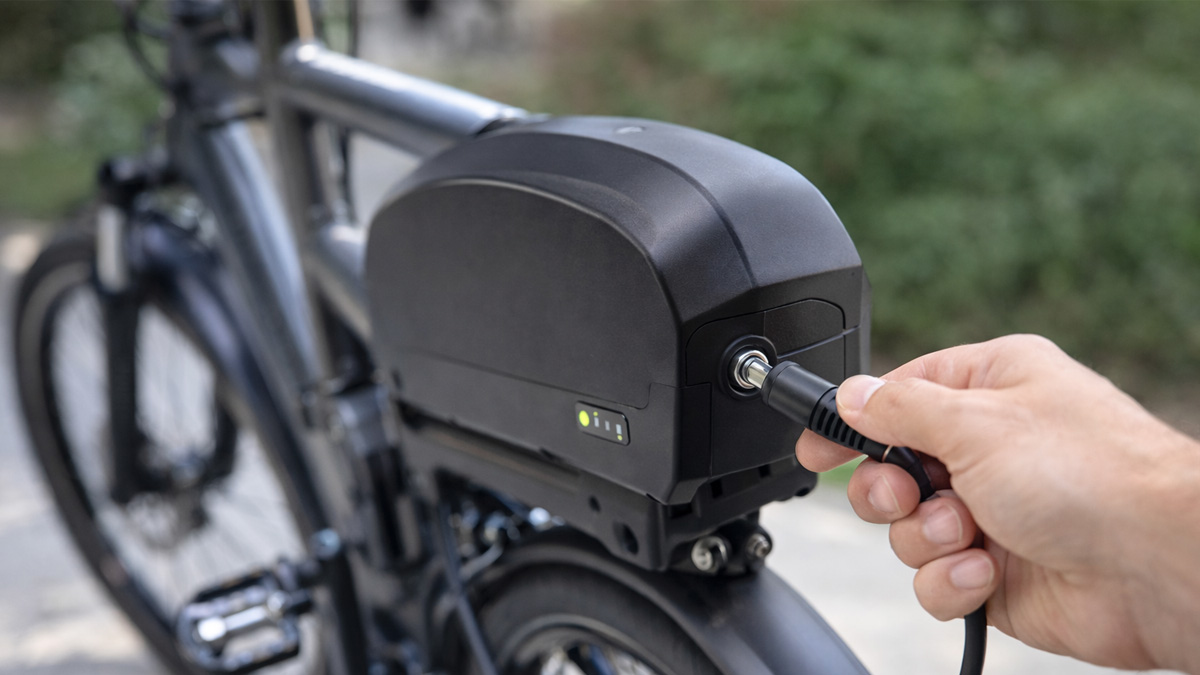
Charging an ebike battery using a compatible charger and proper charging methodHow To Charge An Ebike Battery

To charge an ebike battery, connect the original charger supplied by the manufacturer to a standard wall outlet, then plug it into the battery’s charging port (whether the battery is mounted on the bike or removed). The charger indicator light usually turns red while charging and switches to green once the battery is fully charged, which typically takes about 4–5 hours. Always charge the battery in a dry, well-ventilated, and cool place, and avoid extreme heat or cold. Do not leave the ebike battery connected to the charger for long periods after it reaches full charge.

When To Charge An Ebike Battery

There is no strict rule for when to charge an ebike battery, and charging habits can vary depending on personal riding patterns. The most important point is to recharge the battery promptly once it becomes low, rather than leaving it discharged for days or weeks. Storing an ebike battery in a depleted state for a long time can negatively affect its performance and long-term health.

• Charging Frequency

The ideal charging frequency for an ebike battery depends largely on how often the ebike is used. For riders who use their ebike regularly, frequent charging is normal and does not cause harm when done correctly. Regular use naturally leads to regular charging, which helps keep the battery in active condition.

• Is It Ok To Charge Ebike Battery Every Day

It is not necessary to charge an ebike battery every day. Charging frequency should be based on actual usage and riding needs. As long as there is sufficient remaining capacity for the next ride, the battery can be recharged later without affecting normal performance or battery health.

For ebikes that are used less often, charging habits require a bit more attention. It is generally recommended to cycle the battery at least 3–5 times per month, although this is not a strict rule. The key is to keep the battery in use. Long periods of inactivity can negatively affect battery performance, even if the battery is not completely discharged. Occasional riding and charging help maintain battery health and stability over time.

• Charging After Every Ride

No such need, Many riders wonder whether they must charge the ebike battery after every ride. In practice, this is not necessary. If there is still usable charge remaining in the battery, it can be left as is and recharged later. Charging after every ride is optional, not a requirement—unless the battery is nearly empty. It is also not necessary to keep an ebike battery constantly at a full charge. Instead, the battery should be charged according to what is most convenient for regular use. Avoid deliberately keeping the battery in a fully charged state for long periods when it is not needed. Normal, flexible charging habits based on actual riding needs are generally sufficient and better aligned with everyday battery use.

Modern ebike batteries use lithium-based cells and are equipped with a battery management system (BMS), which provides protection against over-discharge and other common risks. This makes them far more tolerant of everyday use compared to older battery technologies. Some concerns about frequent charging habits often come from experiences with lead-acid batteries, which are much more sensitive to being left discharged. Lithium ebike batteries are less strict in this regard and are generally easier to maintain with normal riding and charging routines.
When to charge an ebike battery, including charging frequency, daily charging, and charging after every ride

First-Time Charging

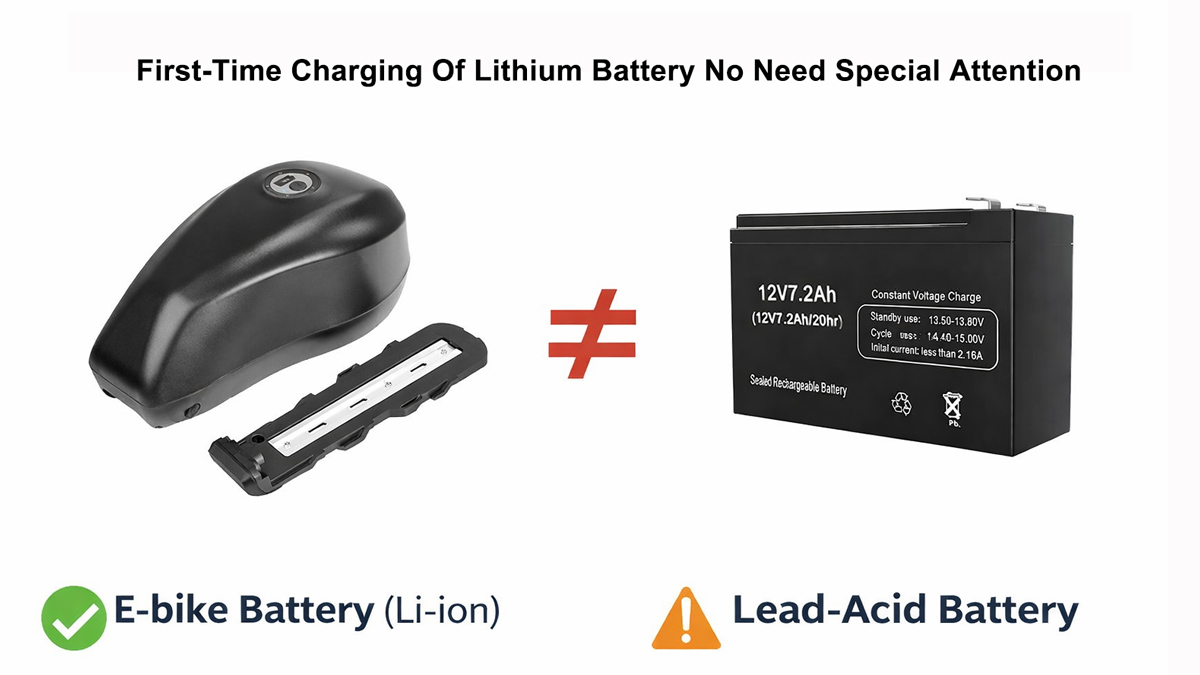
For the first charge, an ebike battery does not have any special requirements. Unlike older lead-acid batteries, lithium ebike batteries do not need strict conditioning during initial use. Charging the battery fully or only to a partial level is both acceptable. This flexibility is one of the key advantages of lithium battery technology, making ebike batteries easier and more convenient to use from the very first ride.
First time charging an ebike battery without special requirements

Charging Time

In general, an ebike battery takes about 3–8 hours to fully charge under normal conditions. The exact charging time depends on the battery capacity and the charger’s output current, rather than the battery voltage itself.

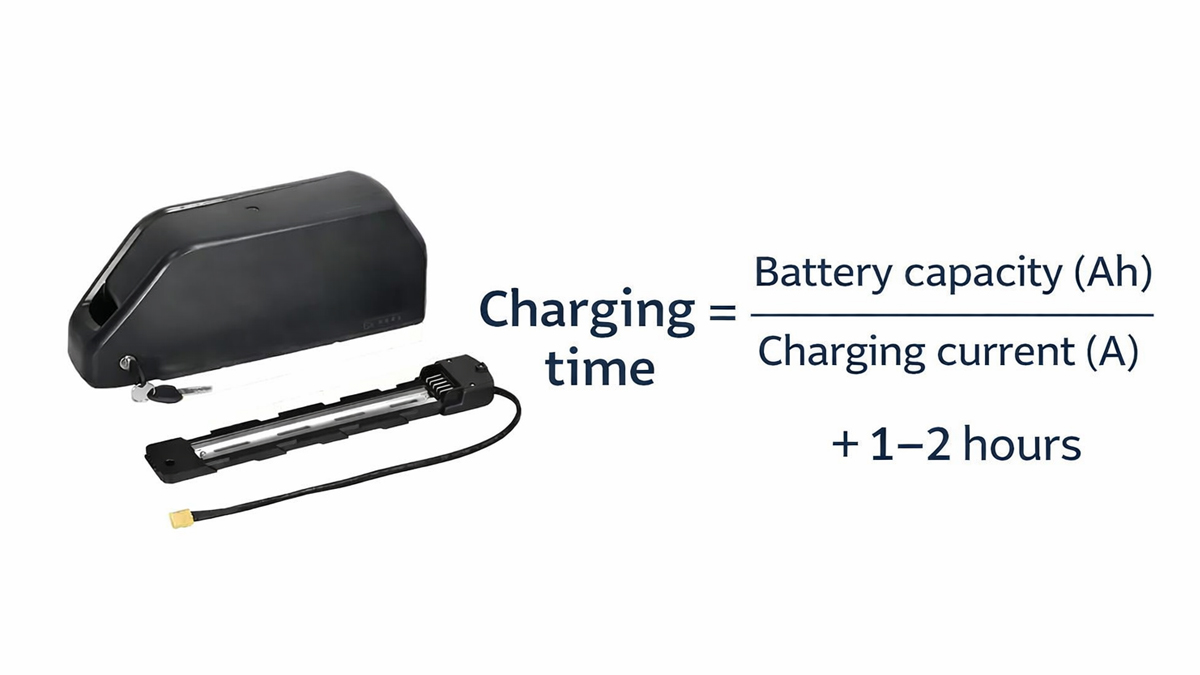
For a more accurate estimate, charging time can be calculated using the following formula:

Charging time = Battery capacity (Ah) ÷ Charging current (A) + 1–2 hours

The extra 1–2 hours are added for two main reasons. First, the actual output current of most chargers is slightly lower than their rated value under real-world conditions. Second, during the final stage of charging, the charger switches to trickle charging, which significantly slows down the charging process to protect the battery and ensure a full charge.

It is also important to note that ebike battery charging time is not determined by voltage. Whether the battery is 36V, 48V, or even 72V, the charging duration is primarily affected by capacity (Ah) and charging current (A).

For example, a 48V 20Ah ebike battery charged with a 5A charger will typically take around 5–6 hours to reach a full charge under normal conditions.
Ebike battery charging time based on capacity and charger current

Different Methods To Charge An Ebike Battery

When a standard, compatible charger is not available, there are still several alternative ways to supply power to an ebike battery. These methods rely on external power sources and proper regulation to ensure the correct voltage, controlled current, and safe DC output. They should be used carefully and are generally intended for temporary or special situations rather than everyday charging.

• Charging Without A Charger

When a standard, compatible charger is not available, an ebike battery can be charged using alternative power sources. However, it is essential that the charging voltage matches the battery’s specifications, the charging current stays within the battery’s acceptable range, and the power supplied is direct current (DC). Using an incorrect voltage, excessive current, or an unsuitable power source may damage the battery or its protection system.

• Charging With An Inverter

An inverter can be used to charge an ebike battery by converting DC power into AC power, which is then supplied to a charger compatible with the ebike battery. The charger regulates the voltage and current before delivering DC power to the battery, allowing it to charge normally. This method works as long as the inverter provides stable AC output and the charger matches the battery’s specifications.

It is especially important to avoid direct DC connections between two batteries. This method is not viable under any circumstances, as connecting batteries directly can cause extremely high current flow. Lithium ebike batteries are protected by a battery management system (BMS) with strict charging current limits. Once these limits are exceeded, the excessive current can permanently damage or destroy the protection circuitry, leading to battery failure and serious safety risks.

• Charging With A Solar Panel

An ebike battery can be charged using a solar panel as long as the panel voltage matches the battery requirements and a charge controller is used to regulate and limit the charging current. The controller plays a critical role by preventing overcurrent and unstable charging caused by changing sunlight conditions. When properly configured, solar charging is a safe option, though it is typically slower than using a standard wall charger.

• Charging With A Car Battery

Whether an ebike battery can be charged from a car battery depends on how the connection is made. Directly connecting two batteries is not acceptable, even if their voltages appear to match. In such a setup, the uncontrolled current can become extremely high and may damage the protection circuits of both batteries.

If the car battery is connected to an inverter that outputs stable AC power, the ebike battery charger can then be used as intended. In this configuration, the charger regulates voltage and current before delivering DC power to the ebike battery, making the charging process much safer and more controlled.

• Charging With An Ebike

Using one ebike battery to charge another is not safe and should never be attempted. Directly connecting two ebike batteries creates an uncontrolled current flow that can become extremely high, which may damage or permanently destroy the battery protection systems (BMS) in both batteries. Even if the battery voltages appear similar, this method offers no current regulation and poses a serious risk of failure or overheating. This approach should be strictly avoided under all circumstances.
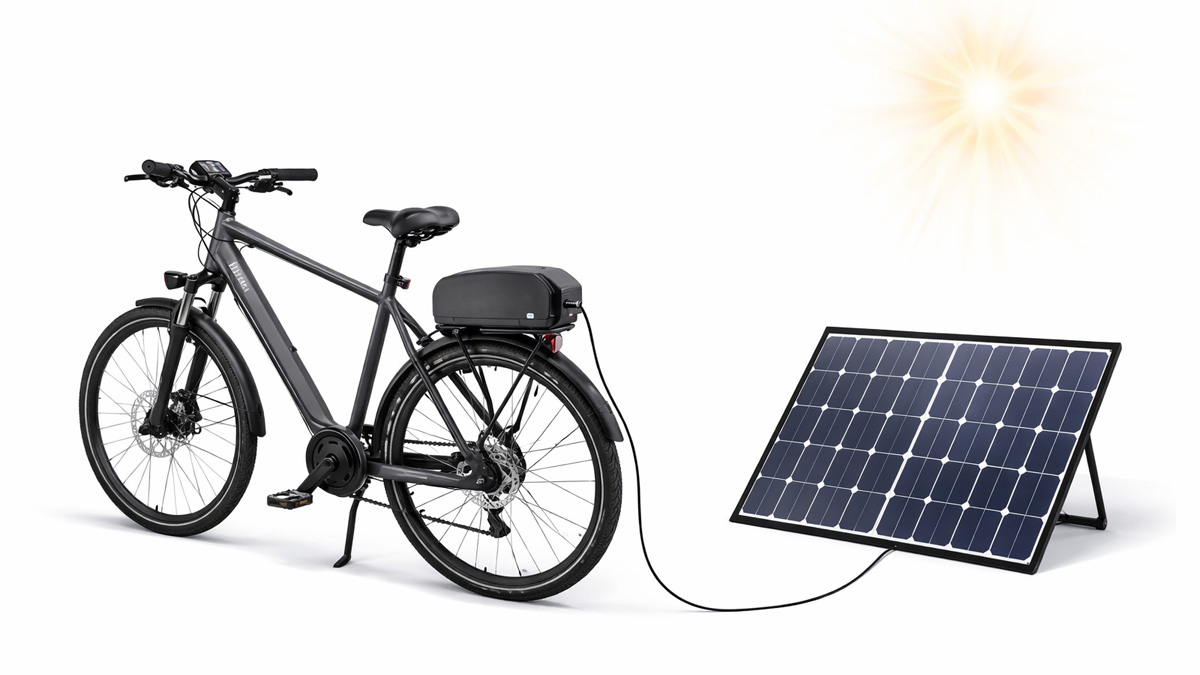
Different methods to charge an ebike battery, including charging without a charger, inverter, solar panel, car battery, and another ebike
Does Pedaling An Ebike Charge The Battery

In most cases, pedaling an ebike does not charge the battery. Pedaling primarily assists movement and reduces the workload on the motor, which can help extend riding range but does not send energy back to the battery. For the majority of ebike systems, riding or pedaling alone cannot be used as a charging method.

In rare cases, certain ebikes equipped with special motor designs, such as direct-drive hub motors, may support regenerative braking. These systems can recover a small amount of energy while braking or riding downhill and feed it back into the battery. However, this function does not charge the battery through active pedaling, and the amount of recovered energy is very limited, offering minimal impact on overall battery level.
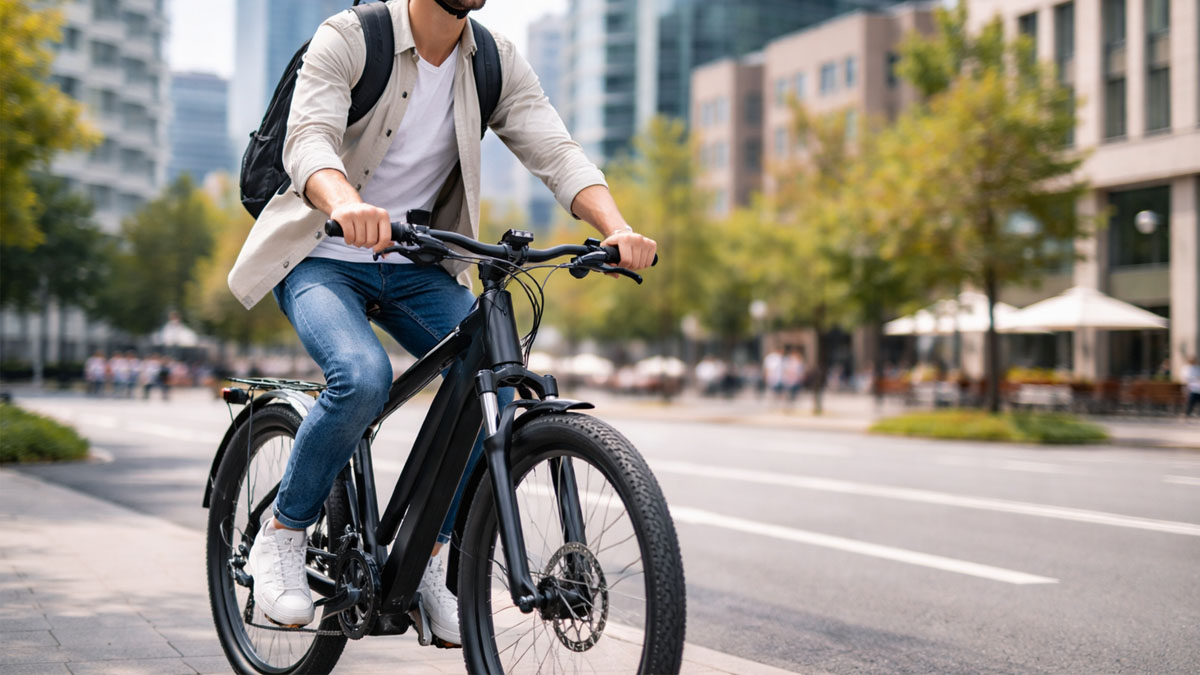
Pedaling an ebike does not charge the battery in most cases
Conclusion

When charging a lithium ebike battery, using the correct and compatible charger is always the safest and best way. If faster charging is needed, a charger with a higher current rating may be used, but only after confirming with the original manufacturer or supplier that the battery supports it.

Although alternative charging methods may work in special situations, they are generally not recommended for regular use. To protect battery performance, safety, and long-term reliability, it is best to rely on a properly matched ebike battery charger rather than using improvised or non-standard charging solutions.

FAQ

How To Recharge A Bike Battery?
Recharge an ebike battery by using a compatible charger that matches the battery’s voltage and current requirements. Plug the charger into a wall outlet first, then connect it to the battery to begin charging.

How To Charge Ebike Battery Without A Charger?
If a standard charger is unavailable, an ebike battery may be charged using alternative methods such as a solar panel or inverter, as long as the voltage is matched and the charging current is properly regulated. These methods are intended for temporary use only.

How Long Does It Take To Charge A Bike Battery?
Most ebike batteries take 3–8 hours to fully charge. The exact time depends on battery capacity and charger current, not battery voltage.

Does Pedaling An Ebike Charge The Battery?
In most cases, pedaling an ebike does not charge the battery. Pedaling only assists movement and reduces motor load. Only a few ebikes with regenerative braking can recover a small amount of energy during braking or downhill riding.

How Often Should I Charge My Ebike Battery?
Charging frequency depends on usage. Frequent riders may charge often without issue, while occasional riders should keep the battery active and avoid leaving it unused for long periods.

How Do I Know When My Ebike Battery Is Charged?
Most ebike chargers have an indicator light that changes color when charging is complete. Some ebike displays or battery indicators also show the battery reaching full charge.

LiPo Battery Safety: Fire, Burning, Explosion Risks and Prevention
Previous
LiPo Battery Safety: Fire, Burning, Explosion Risks and Prevention
Read More
LiPo Battery Problems: Not Charging, Swelling, and Common Failures
Next
LiPo Battery Problems: Not Charging, Swelling, and Common Failures
Read More
Leave a message
Email*
Message
google-site-verification: google399dc8aa434df4e0.html