✅ Charging Problem
• Not Charging (Not Detected By Charger) • Not Charging Fully • Not Holding Charge • Too Low to Charge • Overcharge • Fully Charged but Not Working✅ Discharging Problem
• Over-Discharge • Self-Discharge ✅ Swelling
• Swelling Causes • How to prevent swelling • Can a swollen LiPo be repaired • What to do if your LiPo is swelling ✅ Leaking✅ Draining Fast✅ Testing✅ Fixing✅ Balancing✅ Conclusion
✅ FAQ
Why won’t my LiPo battery charge?
How to balance a LiPo battery?
How to bring back a dead LiPo battery?
How to fix a LiPo battery not charging? How to prevent a LiPo battery from swelling?When a LiPo battery starts acting up—won’t charge, isn’t detected by the charger, drains fast, or suddenly loses power—the cause is usually one of a few patterns: incorrect charger settings, a weak connection, cell imbalance, aging (higher internal resistance), self-discharge, or damage from over-discharge/over-current. The frustrating part is that many different problems can look the same from the outside. If you’re not fully familiar with the basics, it’s worth reviewing
LiPo battery fundamentals before diving into troubleshooting.
This guide is designed to help you diagnose what’s happening and decide the right next step. You’ll learn how to interpret common symptoms (like “fully charged but not working” or “not holding charge”), how to do quick checks with a multimeter or LiPo voltage tester, and how balance charging fits into fixing imbalance-related issues. We’ll also cover what swelling (a “puffed” pack), leaks, and short-circuit signs usually mean—so you can tell when a pack is likely recoverable through normal charging/balancing versus when it’s not worth the risk and replacement is the smarter choice.
Before you start troubleshooting: if a pack is swollen, leaking, unusually hot, or smells sweet/solvent-like, stop using it and isolate it. This article focuses on diagnosis and safe decision-making, not physical “pack repair” steps. (For full storage/handling/fire precautions, link to your dedicated LiPo Safety Guide.)
Charging Problem
LiPo battery charging problems are one of the most common issues users face, typically showing up as a battery that won’t charge, charges slowly, or stops before reaching full capacity. In most cases, these problems are caused by incorrect charger settings, poor connections, cell imbalance, or over-discharged cells. Since LiPo batteries require precise voltage control and balanced charging, even small issues can prevent proper charging or trigger safety cutoffs. Understanding the typical causes and warning signs is essential for diagnosing the problem and preventing further damage or safety risks.
• Not Charging (
Not Detected By Charger)
In most cases, a LiPo pack that won’t charge at all is caused by either a failed cell (one series group has dropped too low) or a faulty protection board (BMS). Wiring issues can happen too—like a loose balance lead, damaged input wires, or a broken/weak solder joint at the terminals—but these are less common than cell/BMS problems.
- Cell Breaks
Check each series group (cell group) voltage, Use a multimeter to measure the voltage of each series group (through the balance connector or the designated balance wires). If one group reads 0V or is very low (e.g., below ~2.5V) while the other groups are still near normal (often close to 4.2V when recently charged), that usually indicates the low-voltage group is damaged (or has a severe imbalance/failure). If all groups are similar and none are abnormally low, the issue is more likely not a single “dead” group, and you should continue checking for BMS/connection problems.
- BMS Breaks
If your pack design allows safe measurement without opening or disturbing the pack, compare: Raw pack voltage (the battery stack voltage before the BMS), Output voltage (the voltage after the BMS, at the pack’s discharge/charge terminals). If the output (after BMS) voltage is much lower than the raw pack voltage—or appears cut off—while the cell groups themselves look normal, that strongly suggests the protection board/BMS is faulty or has latched off.
• Not Charging Fully
When a LiPo pack won’t charge fully, the most common reason is cell imbalance—the voltage difference between series groups has grown too large. Manufacturers usually match cells tightly during production (Internal Resistance Difference: 5mΩ, Voltage Difference: 10mv), but over time cell quality differences, aging, or a BMS/protection board issue can cause the voltage gap to widen. As a result, the charger may stop early to protect the highest cell group, leaving the pack “not full” even though charging has ended.
• Not Holding Charge
If a LiPo pack won’t hold charge—it charges up but loses power quickly—the most common cause is cell quality degradation. Less commonly, a cell may be compromised by moisture exposure or mechanical deformation (impact, crushing, bending), but this is typically the exception.
In either case, repair is not recommended. If the root cause is cell quality/aging, replacing one damaged cell group often only provides temporary improvement and similar issues can return later. If the pack has been physically damaged, attempting to “fix” it can introduce serious safety risks (internal shorts, overheating, or swelling). In practice, the safer and more reliable choice is usually to replace the pack and dispose of the old one properly.
• Too Low to Charge
A LiPo pack that reads too low to charge is usually caused by one of two things:
- Cell Breaks
One or more cell groups have dropped to an extremely low voltage (deep-discharge), so the charger refuses to start.
- BMS Breaks
The BMS is faulty or latched off, making the pack appear “low” at the external terminals even if the cells inside are not the problem.
If a multimeter shows very low pack voltage, you generally can’t assume it’s definitely “dead” without confirming whether the reading is coming through the BMS. When a BMS fault is suspected, the safer option is to send the pack to a qualified battery service for inspection. If the cells test healthy, a professional BMS replacement may restore normal operation—without the safety risks of attempting a DIY repair.
• Overcharge
Overcharge means a LiPo cell group has been charged beyond its safe voltage limit, which can permanently damage the chemistry and increase the risk of swelling, overheating, or internal shorting. Even if an overcharged pack still seems to work, it’s not recommended to keep using it because the safety risk can remain high and unpredictable.
• Fully Charged but Not Working
If a LiPo pack shows fully charged voltage but the device still won’t turn on or won’t run, the most likely cause is a failed protection board (BMS/PCM) rather than the cells themselves. A common failure is damage to the BMS discharge MOSFET(s), which can block current flow—so the pack looks “full” on a meter, but it cannot actually deliver power.
In this situation, repairing the protection board is not recommended. The more reliable solution is typically to replace the protection board (ideally done by a qualified service or with the correct matching board for the pack’s cell count and current rating).
Discharging Problem
LiPo discharging problems usually fall into three types: abnormal voltage drop under load, over-discharging, and self-discharging. When a pack sags too fast or hits low-voltage cutoff early, it often means the battery has aged, has a weak cell, or the load current is too high. Over-discharging happens when the pack is used below safe voltage, which can permanently damage cells and make charging unsafe. Self-discharging means the battery loses voltage while sitting—commonly caused by cell damage, imbalance, or a faulty protection/balance circuit—and it’s a sign the pack may no longer be reliable.
• Over-Discharge
Over-discharge happens when a LiPo cell is discharged below its safe minimum voltage. For most standard LiPo packs, a widely used rule of thumb is that around 3.0V per cell (under load) is the lower limit—going below this point can cause permanent, non-recoverable damage.
Why it matters: when a cell is pushed below ~3.0V, the chemical reactions inside the battery become less stable, and the cell can suffer capacity loss, higher internal resistance (more voltage sag and heat), faster self-discharge, and a greater chance of cell imbalance later. In severe cases, deep over-discharge may trigger copper dissolution and internal defects that make the pack unsafe or unreliable, even if it can be charged again.
• Self-Discharge
Every lithium battery has some level of self-discharge, but in high-quality cells it’s usually so small that most users barely notice it. In real products, the apparent self-discharge can be slightly higher because a protection board (BMS/PCM) or the device’s own circuit board may draw a tiny “standby” current. Even so, this drain is typically very weak.
A simple way to check whether self-discharge is becoming harmful is to do a rest test:
- Record the voltage of each series group.
- Let the battery sit unused for 10–15 days.
- Measure each series group again and compare the results.
How to interpret the result:
If the voltage consistency stays the same—meaning the cell-to-cell (series-group) voltage difference does not increase—then self-discharge is generally not an issue. But if one series group drops noticeably more than the others and the voltage gap grows, that usually indicates a weak cell group (or an abnormal drain path), and the pack is more likely to develop imbalance and “not holding charge” symptoms.
 Swelling
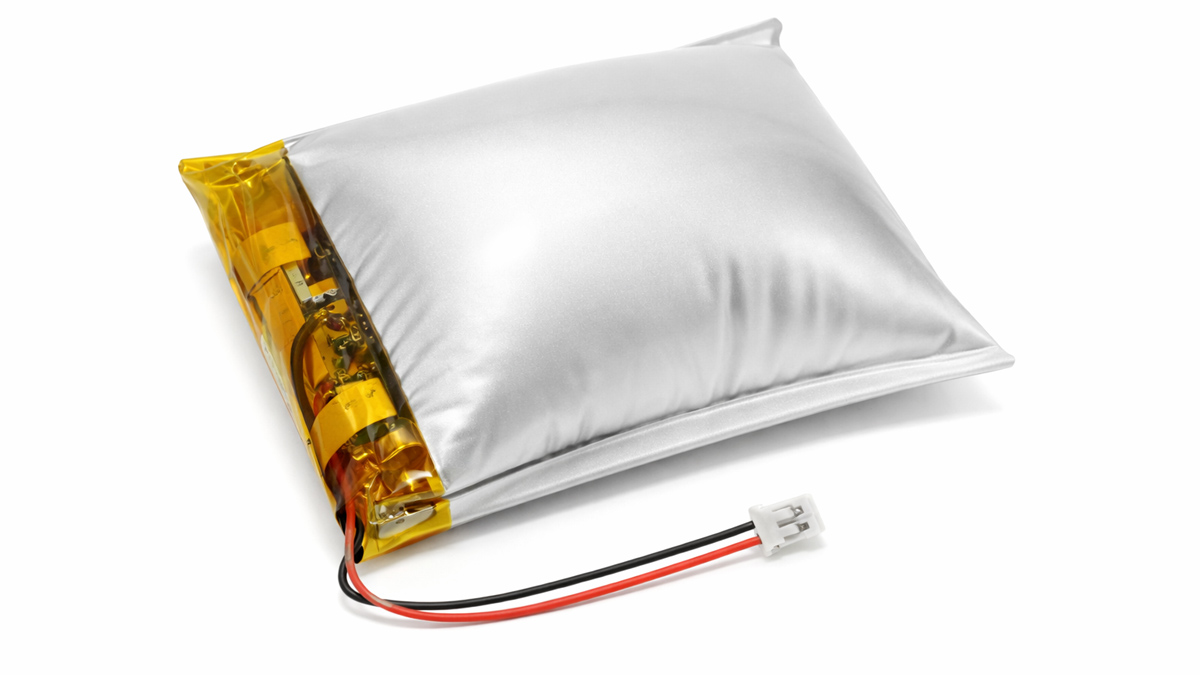
A swollen LiPo (often described as puffed, bloated, or expanding) means gas has formed inside the pouch. That’s a sign the cells have been stressed or damaged, and the pack can become unpredictable under charge or load.
• Swelling Causes
Overcharge (charging beyond safe limits, or wrong charger settings)
Over-discharge / deep discharge (especially repeated cycles or severe low voltage)
High current draw (using the pack above its rated C-rate causes heat and stress)
Heat exposure (charging or storing in high temperatures accelerates degradation)
Cell imbalance (one cell group is overstressed compared to others)
Physical damage (impact, crushing, bending) or manufacturing defects (less common)
Aging (older packs are more prone to gas generation)
• How to prevent swelling
Use correct charger settings (battery type, cell count, charge current)
Avoid deep discharge (don’t repeatedly run cells down to very low voltage)
Stay within the pack’s current rating (reduce load spikes if possible)
Keep temperatures controlled (avoid charging/using when the pack is hot)
Balance charge regularly if your pack supports it (helps prevent one weak cell being overstressed)
Store at proper storage level for long breaks (helps reduce long-term stress)
Inspect packs routinely and stop using packs that show early swelling, heat, or odd odor
• Can a swollen LiPo be repaired
In general, DIY repair is not recommended for a swollen pack. Swelling usually indicates internal damage or chemical breakdown, and attempts to “fix” it can increase the risk of internal short, overheating, or fire.
If the pack is part of a product with a replaceable protection board (BMS/PCM), a professional shop can diagnose whether the issue is purely BMS-related—but swelling itself typically points to the cells, not just the board.
Best practice: treat a swollen pack as unsafe and have it evaluated by a qualified battery service. In many cases, the safest outcome is replacement.
• What to do if your LiPo is swelling
If your LiPo battery is swelling (puffed/bloated), stop using it and do not charge it. Isolate it in a non-flammable area, away from heat and combustible materials, and avoid squeezing, bending, or puncturing the pack. The safest next step is to dispose of it through a proper battery recycling or hazardous-waste facility, or have a professional service handle it if it’s part of a product pack.
Leaking
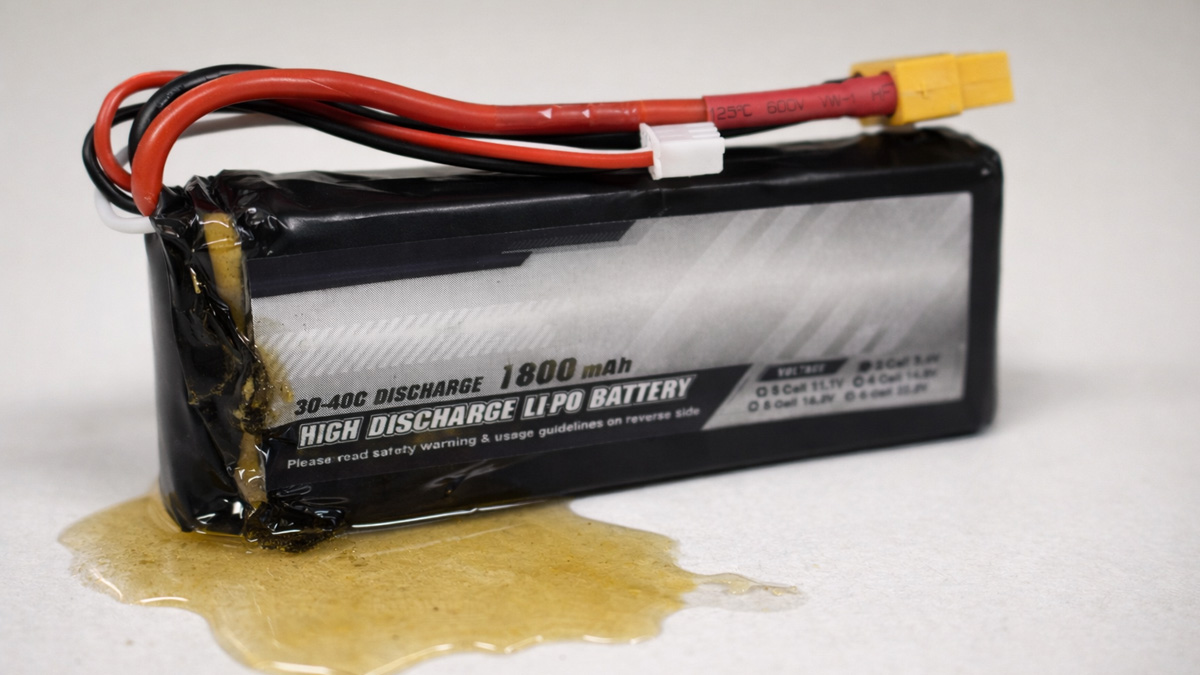
A leaking LiPo battery means the pouch has been damaged and the battery’s electrolyte may be escaping, which is a clear sign of internal failure. Leaks can show up as an unusual chemical odor, staining, or an oily/wet residue on the pack, and they often indicate a higher risk of overheating or an internal short.
Repair is not recommended. Once a LiPo pouch is compromised, “sealing it back up” does not restore the cell’s safety or reliability, and continued use can be unpredictable. The safer approach is to stop using the pack immediately, keep it isolated away from heat and flammable materials, and arrange proper battery recycling or hazardous-waste disposal (or have a qualified service handle it if it’s part of a product pack).
Draining Fast
First, cell aging/quality decline reduces usable capacity and increases internal resistance, so the pack sags more under load and reaches low-voltage cutoff sooner. Second, cell imbalance or one weak series group can make the whole pack stop early—one group drops faster than the others and becomes the limiting factor. Third, some cases are caused by abnormal self-discharge or a small parasitic drain from the BMS/device circuitry, which slowly pulls the voltage down even when you’re not actively using it.
To identify which it is, check the voltage of each series group after a full charge, then compare them again after resting or light use. If the cell-group voltages become uneven (one drops much faster), it usually indicates a weak group/imbalance; if they drop evenly but runtime is still short, capacity loss and higher internal resistance are more likely.
Testing
• Measuring Voltage
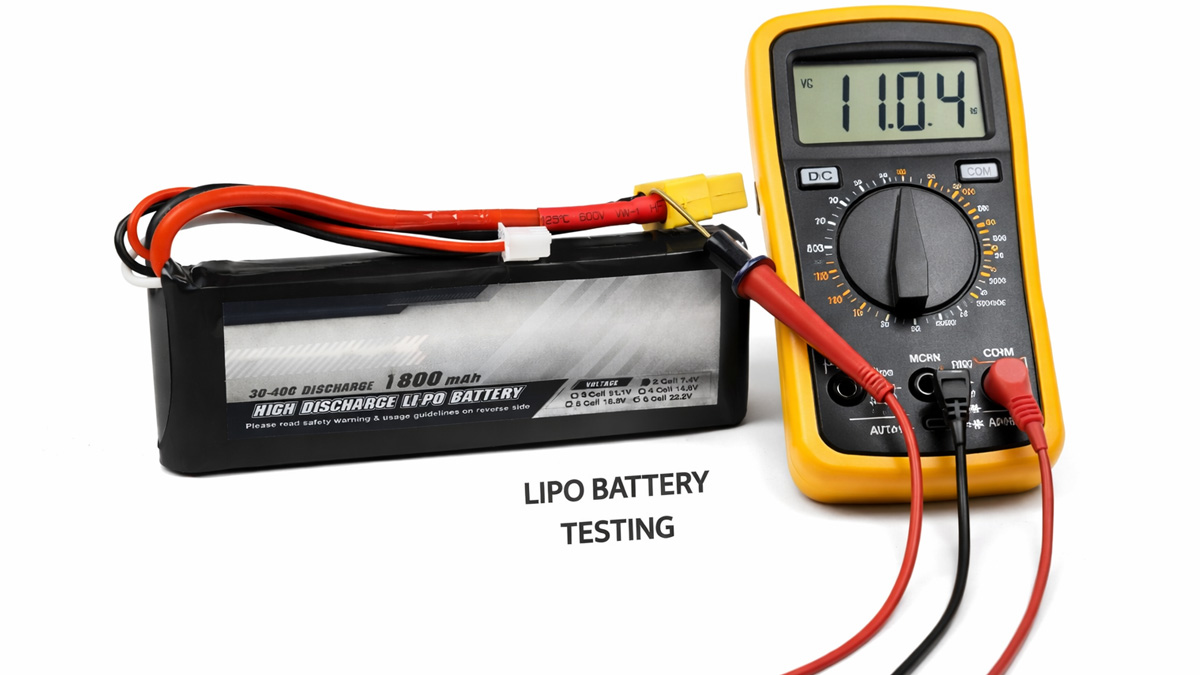
To measure LiPo voltage, use a multimeter on the main leads to read the total pack voltage. For a deeper check, measure each series group through the balance connector (or use a LiPo voltage tester). A voltage tester is the quickest option: plug it into the balance lead and it will display each cell-group voltage plus the total, making it easy to spot imbalance or one group that’s unusually low.
• Measuring Capacity
To measure LiPo capacity (mAh / Wh), you can’t rely on voltage alone. Capacity must be measured by a controlled discharge test using a professional capacity tester or a charger/discharger with a mAh readout. The tester discharges the pack under a defined load down to a safe cutoff and reports how much energy was delivered—this is the only practical way to confirm real capacity and compare it to the rated value.
• Measuring Internal Resistance
To measure LiPo internal resistance (IR), you usually need a charger/analyzer with an IR function or a dedicated IR meter, because a normal multimeter can’t measure IR accurately. Higher IR means more voltage sag and heat under load, and if one cell group shows much higher IR than the others, that group is typically the weak link causing poor performance and early cutoff.
 Fixing
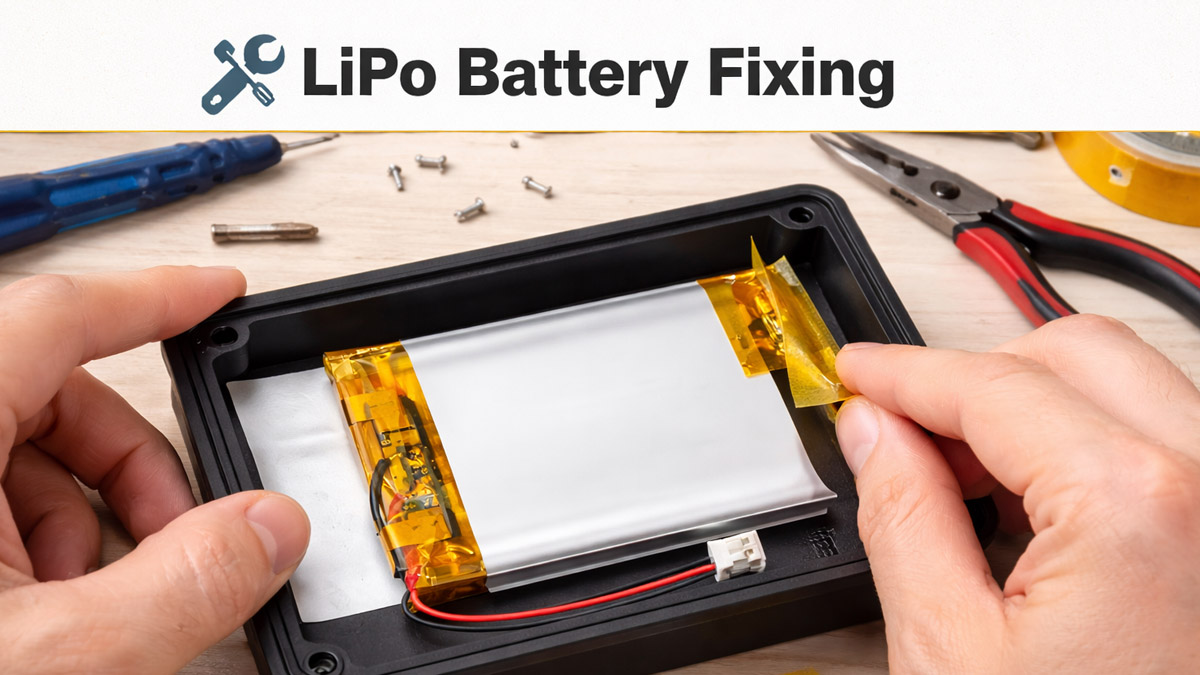
When you’re trying to fix a dead LiPo battery, the root cause is usually either the cells or the protection board (BMS/PCM). Start with a multimeter and compare the voltage at the pack’s output terminals (through the BMS) versus the raw pack voltage across the main positive and main negative. If these two readings are not the same (the “through-BMS” voltage is significantly lower or cut off), the problem is most likely the protection board, not the cells.
If the voltages match, but the pack still won’t charge or discharge, then check the voltage of each series group. If one group (or multiple groups) is at very low voltage (below ~2.5V) while the others are much higher, that strongly points to a cell failure / weak series group. In that case, the only technical “repair” is replacing the failed cells—however, this work should be done by a professional battery service, because DIY cell replacement carries major safety risks. Also, when cell failure is driven by cell quality issues, swapping a bad cell group often becomes a short-term fix and the pack may develop similar problems again later, which is why replacement is frequently the more reliable option.
Balancing
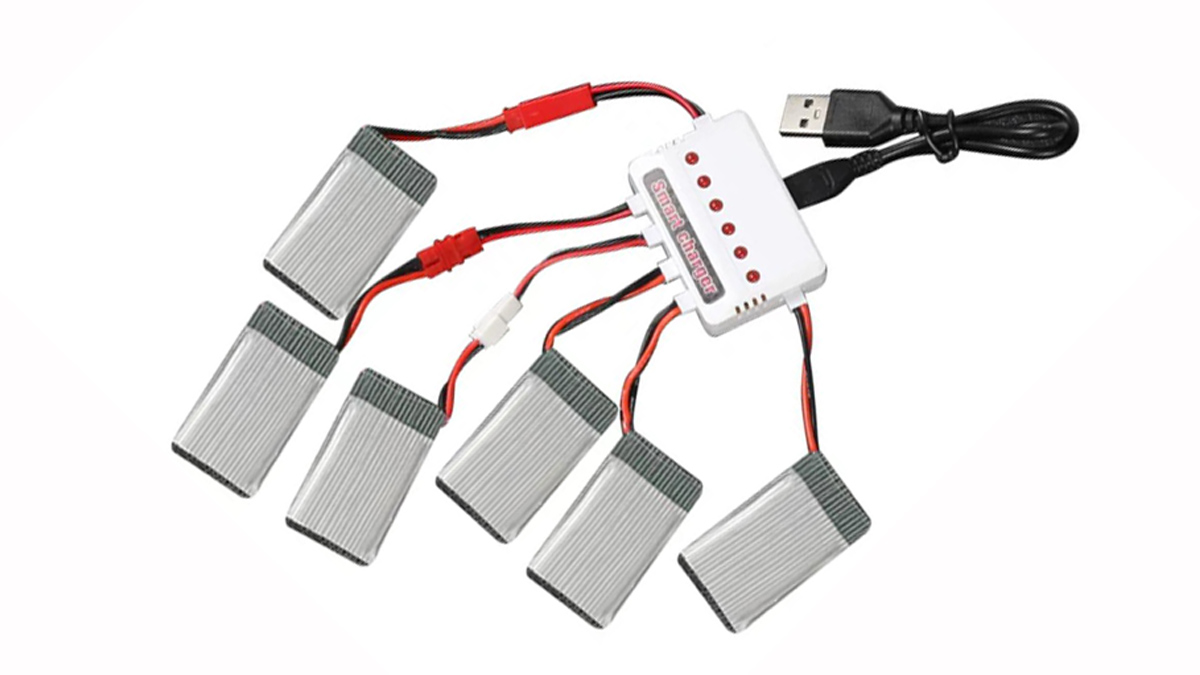
Balancing requires a professional LiPo balance charger or dedicated cell balancer, because it must monitor and adjust the voltage of each cell group through the balance connector. Using the right balancing equipment helps reduce cell-to-cell voltage gaps, which is why it’s often necessary when a pack won’t charge fully or shows uneven cell voltages.
Conclusion
In summary, most LiPo “problems” come down to a few root causes—cell imbalance, cell aging/quality issues, deep discharge, wiring/connection faults, or a failed protection board (BMS). The key is to diagnose the symptom with basic voltage checks and then choose the safest next step, rather than guessing.
In general, DIY repair is not recommended. LiPo packs can become unstable when damaged, and improper handling can create serious safety risks. If you suspect a BMS fault, a weak cell group, or any abnormal behavior, it’s best to have the battery checked by a professional service. And if the pack is swollen, leaking, unusually hot, or has a strong odor, stop using it immediately and dispose of it properly through a qualified recycling or hazardous-waste channel as soon as possible.
FAQ
Why won’t my LiPo battery charge?
Most cases are caused by a failed cell group, cell imbalance, or a protection board (BMS) fault. Check total voltage and each series-group voltage; if one group is extremely low (e.g., below ~2.5V) or the “through-BMS” voltage doesn’t match the raw pack voltage, professional inspection is recommended.
How to balance a LiPo battery?
Use a professional balance charger or dedicated balancer connected to the balance lead. Balancing reduces cell-to-cell voltage differences and helps with issues like “not charging fully” or uneven cell voltages.
How to bring back a dead LiPo battery?
“Dead” usually means over-discharge, one weak cell group, or a BMS cut-off. Start with voltage checks to identify which it is; if a cell group is very low or the pack shows swelling/leaks/heat, replacement is usually the safest option.
How to fix a LiPo battery not charging?
First identify whether the issue is cells or the BMS by comparing voltages and checking each series group. Because DIY repair is risky, packs with cell faults or suspected BMS failure should be handled by a professional battery service.
How to prevent a LiPo battery from swelling?
Avoid overcharge, deep discharge, excessive current draw, and heat, and balance-charge when needed. Swelling is often a sign of internal damage—if it starts, stop using the pack and dispose of it properly.


