✅
Vape Battery Types✅
Vape Battery Charging • Charging Time • Vape Battery Charging Methods • How Often Should You Charge a Vape Battery✅
Vape Battery Runtime • Runtime Caculation • Methods to Extend Vape Battery Runtime✅
Battery Service Lifespan for Vape✅
Battery Cleaning of Vapes✅
Common Vape Battery Problems and Fixes • Charging Problems • Not Working After Charging • Vape Battery Not Hitting✅
Vape Battery Safety • Vape Battery Fires and Explosions • Methods to Improve Vape Battery Safety • Can You Bring a Vape Battery on a Plane✅
Disposal and Recycling • Proper Vape Battery Disposal Methods • Places That Accept Vape Battery Recycling✅
Conclusion✅
FAQ What Type of Batteries Are in Vapes? How Long Do Vape Batteries Take to Charge? How to Dispose of Vape Batteries? How to Make Vape Battery Last Longer? How to Check Vape Battery Condition? Can a Vape Battery Explode?Modern vaping devices rely heavily on lithium-based power systems to deliver stable performance, fast charging, and compact portable designs. From disposable vapes and pod systems to high-power mods using removable 18650 cells, the battery directly affects vapor production, runtime, charging speed, and overall device safety. Understanding how these power systems work is important because improper charging, overheating, poor battery quality, or damaged cells can lead to serious performance and safety issues. If you want a broader understanding of how rechargeable lithium cells are used across different industries and devices, it also helps to explore the basics behind modern
lithium battery systems before choosing or maintaining a vape device.
This guide explains everything about vape batteries, including battery types, disposable vape batteries, charging methods, lifespan, common problems, safety risks, replacement, cleaning, and proper recycling methods. Whether you use a rechargeable pod system, a disposable vape like Foger or Stamp, or an advanced box mod with removable batteries, knowing how to properly handle vape batteries can improve both performance and long-term safety.
Vape Battery Types
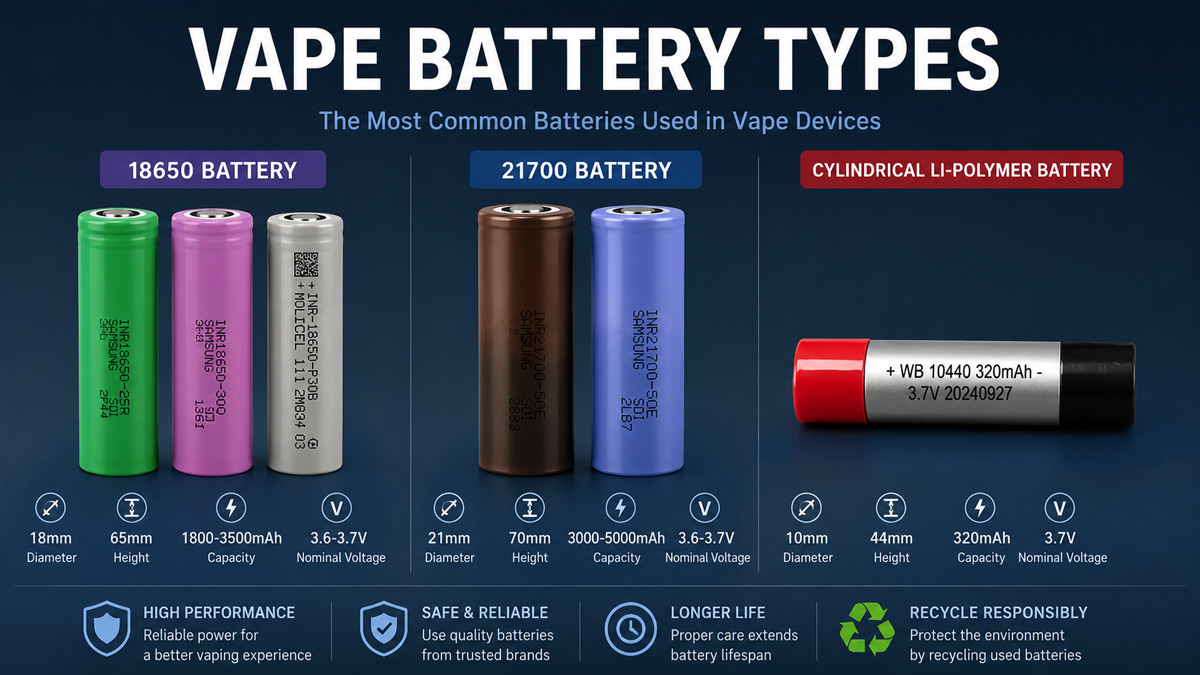
Different vape devices use different lithium battery structures depending on power demand, runtime requirements, portability, and device size. Disposable vapes usually prioritize compact size and low cost, while advanced vape mods require high-drain batteries capable of delivering stable high-wattage output.
The table below explains the most common vape battery types and why manufacturers choose them for vaping devices.
| Vape Battery Type |
Commonly Used In |
Main Advantages |
Why It Is Used in Vapes |
| Lithium Polymer Battery |
Disposable vapes, pod systems |
Lightweight, compact, flexible shape |
Ideal for slim and small vape designs where space is limited |
| Internal Lithium Battery |
Rechargeable pod vapes, starter kits |
Simple charging, portable, user-friendly |
Makes devices easier to use without removable battery handling |
| 18650 Battery |
Box mods, advanced vape mods |
High discharge rate, replaceable, stable output |
Supports high-power vaping and longer runtime |
| 20700 Battery |
High-wattage vape mods |
Larger capacity, stronger output |
Used for extended battery life and higher wattage performance |
| 21700 Battery |
Modern advanced vape mods |
Higher energy capacity, improved efficiency |
Provides longer vaping time and better power delivery |
| Rechargeable Disposable Vape Battery |
Rechargeable disposable vapes like Foger or Stamp |
Low cost, USB rechargeable, compact |
Allows high puff-count disposable vapes to be recharged multiple times |
Most modern vaping devices use lithium-based batteries because they combine high energy density, fast charging capability, lightweight construction, and strong power output. These characteristics allow vape manufacturers to produce compact devices that can still deliver long runtime and stable vapor performance, especially when choosing
compact lithium batteries for vape devices with suitable size, capacity, and discharge performance.
 Vape Battery Charging
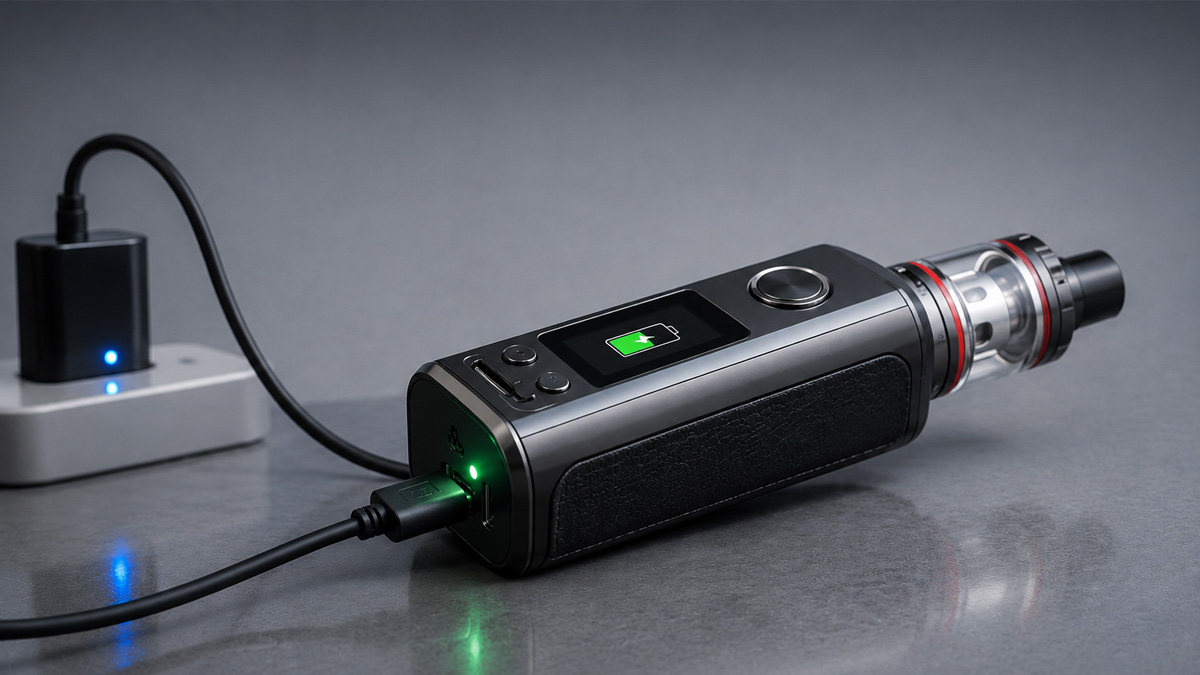
Proper charging habits play an important role in vape battery performance, lifespan, and safety. Most modern vapes use rechargeable lithium batteries, which support fast charging and compact device designs, but incorrect charging methods can still lead to overheating, reduced battery life, or charging failure. Charging requirements may also vary between disposable vapes, pod systems, and removable battery vape mods.
• Charging Time
Vape battery charging time is mainly determined by battery capacity and charging current.
The basic calculation formula is: Charging Time (hours)=Battery Capacity (mAh) ÷ Charging Current (mA)+0.5 - 1 hour
For example, a 3000mAh vape battery charged with a 1000mA charger: 3000mAh÷1000mA+0.5–1=3.5–4 hours
The theoretical charging time is 3 hours, but the actual charging time is usually around:
This is because lithium batteries do not maintain the same charging current throughout the entire charging process. During the final charging stage, the charging current gradually decreases as the battery approaches full capacity. This additional low-current charging stage is called trickle charging.
Trickle charging helps:
Prevent overcharging
Reduce battery stress
Improve charging safety
Extend lithium battery lifespan
As a result, the final 10%–20% of battery capacity usually charges more slowly than the earlier charging stage.
• Vape Battery Charging Methods
Vape batteries can be charged using several different charging methods, but the charging voltage and charging current must match the battery and device requirements. Most vape devices use lithium batteries designed around:
- 5V USB input voltage
- 4.2V lithium battery charging voltage
At the same time, the charging current should remain below the battery’s recommended charging limit to avoid overheating, accelerated aging, or battery damage.
For most lithium vape batteries, the recommended charging current is generally around:
0.5C
This means the charging current is about half of the battery capacity.
For example, a 2000mAh vape battery is generally recommended to charge at around:
2000×0.5=1000mA
So the charging current should ideally remain below 1000mA.
Common vape battery charging methods include:
- USB-C charging
- Micro-USB charging
- Cigarette lighter charging
- Wall adapter charging
- Power bank charging
- External battery chargers
- Computer USB charging
Cigarette lighter charging is commonly used when charging vapes inside vehicles. Many users connect the vape device to a USB adapter plugged into the car cigarette lighter port. This method is convenient during travel, but the charger should still provide stable 5V output and suitable charging current.
For removable vape batteries such as 18650 or 21700 cells, external battery chargers are often safer because they provide more stable charging control and balanced charging management.
Although many modern vape devices support fast charging, excessive charging current can increase battery temperature and reduce long-term lithium battery lifespan.
• How Often Should You Charge a Vape Battery
Many vape users are concerned about battery lifespan and long-term battery health, so they pay close attention to charging frequency. In reality, modern lithium vape batteries do not require overly strict charging schedules, and normal daily charging habits usually have little impact on performance when the battery is used properly.
Unlike older battery chemistries, lithium batteries do not suffer from significant memory effect, so frequent charging does not usually damage the battery. Users can recharge the vape whenever convenient instead of waiting for the battery to become completely empty.
In general, it is better to avoid:
- Repeated deep discharge to 0%
- Excessive overheating during charging
- Long-term storage at extremely low charge levels
However, one of the more important factors affecting lithium battery lifespan is long-term inactivity. Even when a vape battery is not being used, small internal chemical reactions still continue inside the lithium cell. Over time, these reactions slowly increase battery aging and reduce overall battery quality.
Because of this, leaving a vape unused for many months can still shorten battery lifespan, even if the battery is rarely charged.
For long-term storage, it is generally recommended to:
- Store the battery in a cool and dry environment
- Keep partial charge instead of full depletion
- Recharge occasionally during storage
- Avoid extreme heat exposure
Under normal use conditions, vape users usually do not need to worry excessively about charging frequency as long as the battery is charged safely and used regularly.
 Vape Battery Runtime
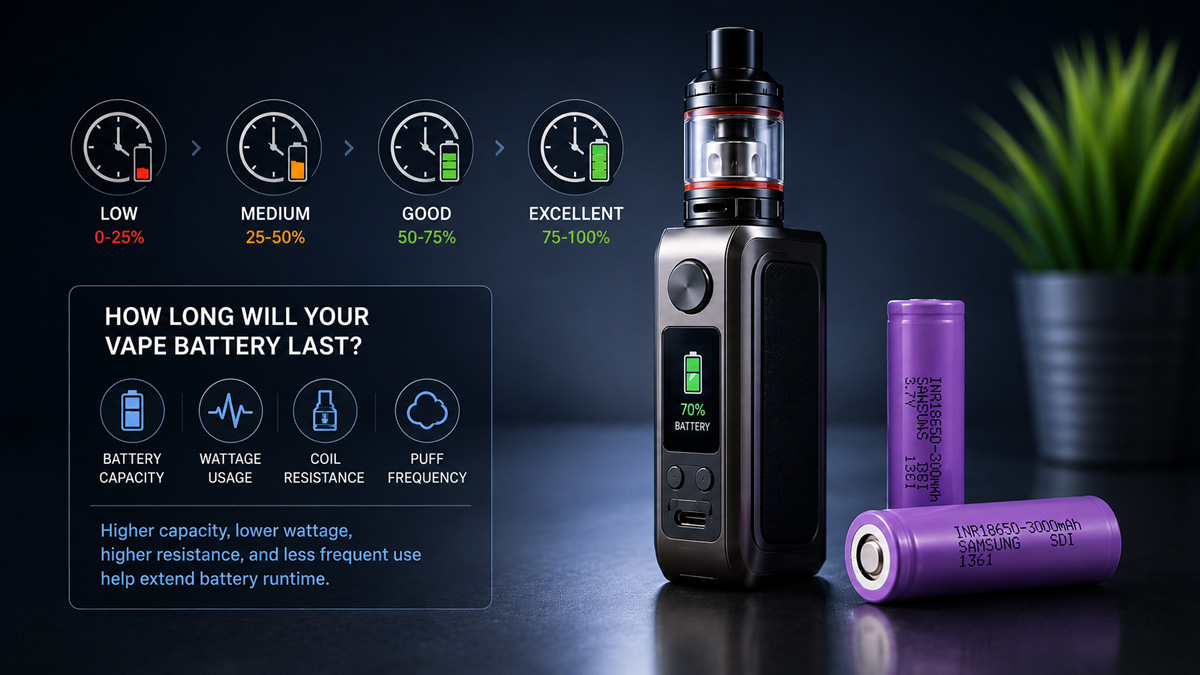
Vape battery runtime mainly depends on two core factors: battery capacity and vape power consumption.
In general, larger battery capacity provides longer runtime, while higher vape wattage increases power consumption and shortens battery life per charge.
• Runtime Caculation
The basic runtime formula is:
Runtime=Battery Capacity (Wh)÷Vape Power (W)
Because most vape batteries are labeled in mAh, the battery energy first needs to be converted into watt-hours:
Battery Capacity (Wh)=Voltage (V)×Capacity (Ah)
For example, a 3000mAh lithium battery with a nominal voltage of 3.7V:
3.7×3=11.1Wh
If the vape device operates at 20W:
11.1Wh÷20W=0.555 hours
This equals roughly 33 minutes of continuous firing time. Since vaping is intermittent rather than continuous, actual daily usage may last much longer.
However, vape battery runtime is not determined only by capacity and wattage. Battery quality and battery materials also play an important role.
Higher-quality lithium batteries generally provide:
More stable voltage output
Lower internal resistance
Better energy efficiency
Slower capacity degradation
Longer cycle life
Different lithium battery materials can also affect runtime performance, temperature stability, and discharge capability.
• Methods to Extend Runtime
Several factors can help extend vape battery runtime and overall battery lifespan.
Reducing vape power settings is one of the most effective methods because lower wattage decreases battery consumption and heat generation.
Users can also improve runtime by:
Avoiding excessively high wattage
Reducing chain vaping
Using higher-capacity batteries
Keeping battery contacts clean
Avoiding overheating
Using high-quality lithium batteries
Charging with suitable current
Avoiding complete battery depletion
Temperature also affects lithium battery performance. Extremely hot or cold environments can reduce temporary runtime and accelerate long-term battery aging.
For removable batteries such as 18650 or 21700 cells, choosing authentic high-quality batteries with low internal resistance can significantly improve both runtime stability and long-term performance.
 Battery Service Lifespan for Vape
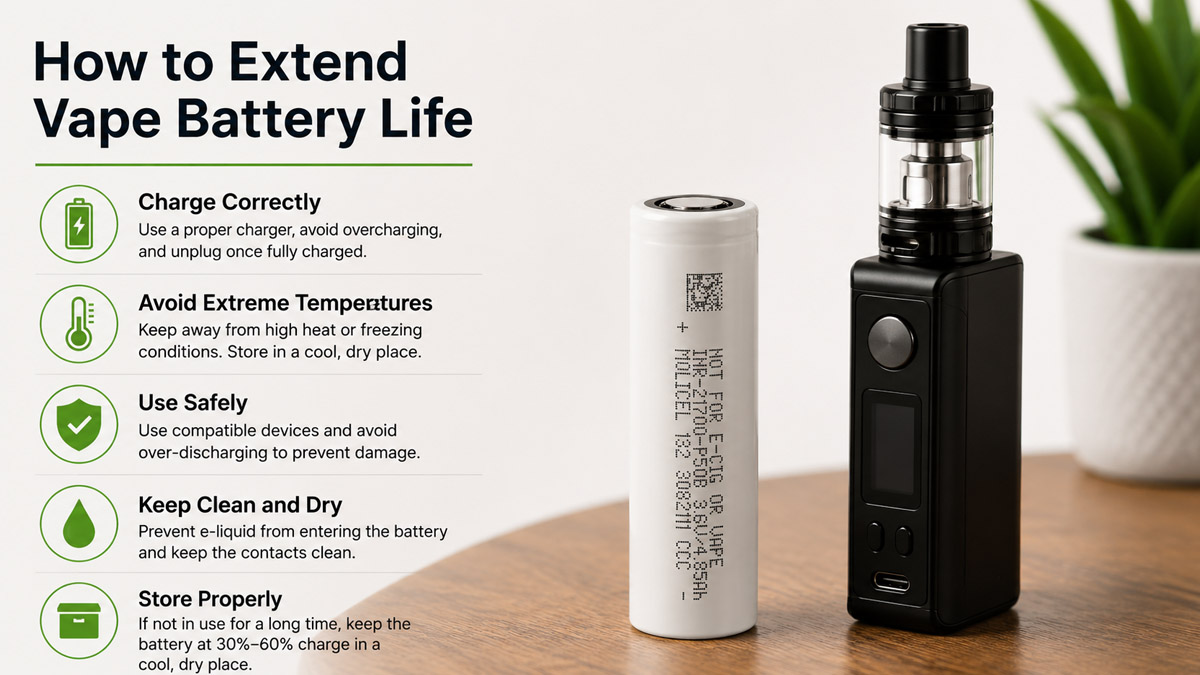
Vape battery lifespan is mainly affected by charging habits, operating temperature, discharge depth, battery quality, and usage intensity. Excessive heat, overcharging, high-power vaping, and frequent deep discharge can all accelerate lithium battery aging and reduce long-term capacity retention. Low-quality batteries also tend to experience faster performance degradation and shorter cycle life.
Most vape lithium batteries can maintain good performance for hundreds of charge cycles under normal use conditions. Internal pod batteries and disposable vape batteries usually have shorter overall lifespan than removable 18650 or 21700 batteries because of their smaller size and compact thermal design.
To extend vape battery lifespan, users should:
Avoid overheating
Use proper chargers
Avoid storing the battery at 0% for long periods
Reduce excessive high-wattage vaping
Use authentic high-quality batteries
Store the device in a cool and dry environment
Proper charging and temperature control are usually the most important factors for maintaining long-term lithium battery health.
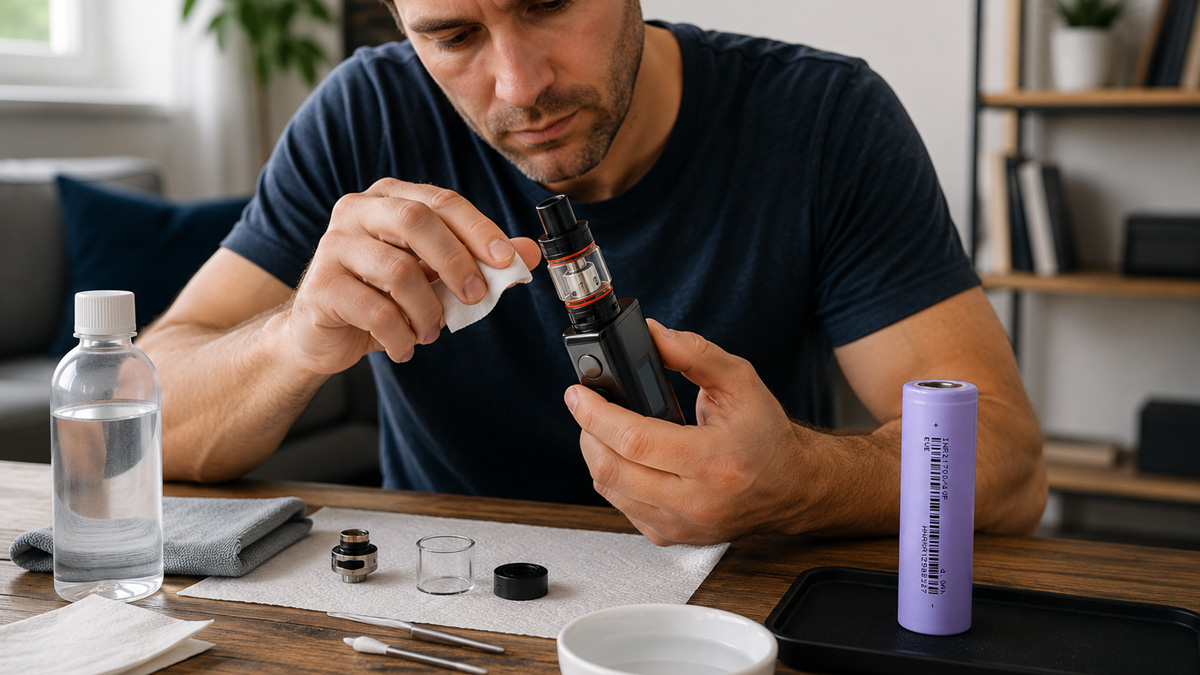 Battery Cleaning of Vapes
Keeping a vape battery clean helps maintain stable electrical contact, charging efficiency, and overall device performance. Dust, e-liquid residue, and oxidation around the charging port or battery contacts can sometimes cause charging issues, weak power output, or connection problems.
To clean a vape battery safely:
Turn off the vape device
Remove the pod, tank, or removable battery if possible
Use a dry cotton swab or soft cloth to clean battery contacts
Carefully remove e-liquid residue from the charging port
Allow the device to dry completely before use
For removable batteries such as 18650 or 21700 cells, users should also inspect the battery wraps regularly. Damaged wraps may increase the risk of short circuits and should be replaced immediately.
When cleaning vape batteries, avoid:
Excessive water exposure
Metal cleaning tools
Harsh chemicals
Charging the device while wet
Regular cleaning can help reduce connection resistance, improve charging stability, and extend overall battery performance.
Vape Battery Problems and Fixes
Vape battery problems usually come from charging failure, poor electrical contact, battery aging, coil issues, airflow blockage, or internal circuit protection. Before replacing the battery or device, users should first identify the exact symptom, check the most common causes, and then apply the safest troubleshooting method.
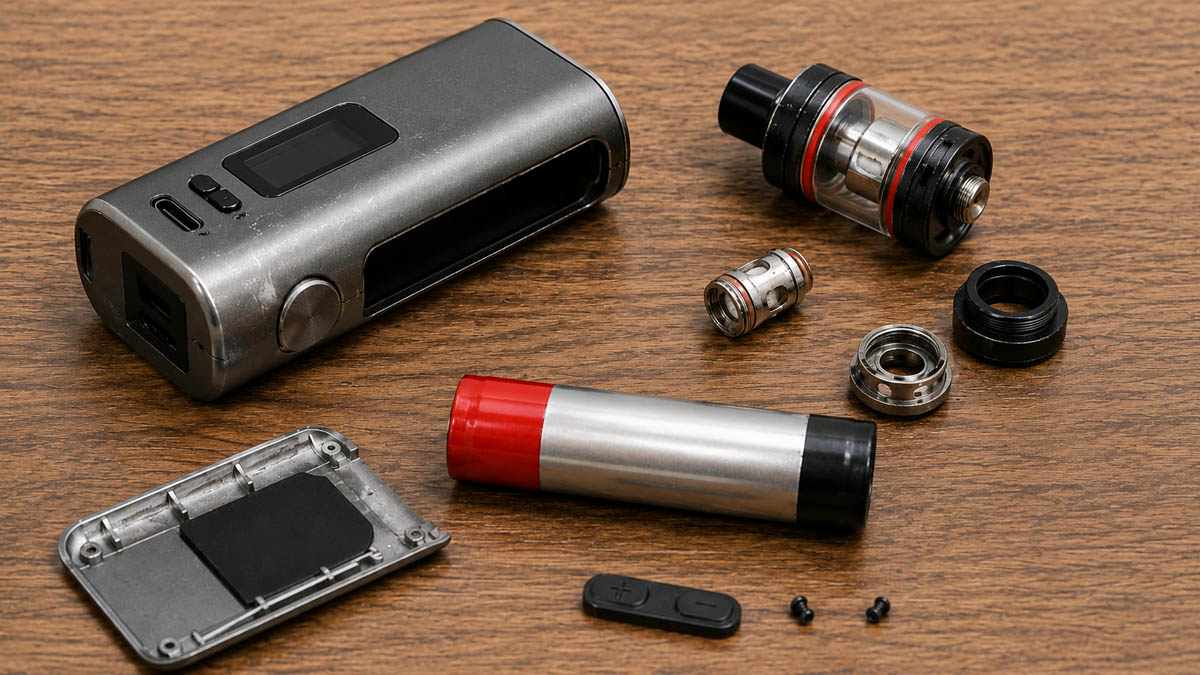 Common Vape Battery Problems and Fixes
Vape battery problems usually come from charging failure, poor electrical contact, battery aging, coil issues, airflow blockage, or internal circuit protection. Before replacing the battery or device, users should first identify the exact symptom, check the most common causes, and then apply the safest troubleshooting method.
• Charging Problems
A vape battery charging problem means the device does not charge, charges very slowly, stops charging too early, or shows no charging indicator after being connected to power.
Common causes include:
- Damaged charging cable
- Dirty charging port
- Loose USB connection
- Incompatible charger
- Over-discharged lithium battery
- Battery protection circuit activation
- Internal battery failure
Troubleshooting steps:
- Try a different charging cable.
- Use a stable 5V charger with suitable current.
- Check whether the charging port is loose or blocked.
- Clean the charging port gently with a dry cotton swab.
- Let the device cool down if it feels hot.
- Charge for 10–15 minutes if the battery has been deeply discharged.
Safe repair methods:
- Replace the cable or charger if charging resumes normally.
- Clean the port if e-liquid or dust is blocking contact.
- Stop using the device if the battery swells, leaks, overheats, or smells abnormal.
- Replace the battery or device if it still cannot charge after basic checks.
• Not Working After Charging
This problem means the vape battery can charge or appears fully charged, but the device still does not work, does not power on, or produces no output when used.
Common causes include:
- Device is locked
- Poor battery contact
- Coil or pod connection failure
- Internal circuit protection
- Battery voltage drop under load
- Damaged control board
- Worn-out lithium battery
Troubleshooting steps:
- Press the power button five times to check whether the device is locked.
- Remove and reinstall the pod, tank, or battery.
- Clean the battery contacts and connection pins.
- Check whether the coil is burned, loose, or shorted.
- Try a compatible pod, tank, or coil if available.
- For removable batteries, confirm correct polarity and inspect the battery wrap.
Safe repair methods:
- Reset or unlock the device if it was accidentally locked.
- Replace the coil or pod if the connection or coil is the problem.
- Use a known compatible battery if the removable cell is aging.
- Replace the device if the internal circuit board has failed.
• Vape Battery Not Hitting
A vape battery not hitting means the device powers on but does not produce vapor, produces weak vapor, or fails to activate when inhaling.
Common causes include:
- Empty pod or tank
- Burned coil
- Blocked airflow
- Dirty contact points
- Auto-draw sensor failure
- Low battery output
- Poor pod installation
Troubleshooting steps:
- Check whether there is enough e-liquid.
- Make sure the pod or tank is fully seated.
- Clean the contact points between the battery and pod.
- Check the airflow path for dust, residue, or blockage.
- Replace the coil or pod if the coil is burned.
- Recharge the battery if vapor output is weak.
Safe repair methods:
- Clean the airflow and contact area.
- Replace the pod or coil if vapor production does not recover.
- Avoid opening disposable vapes or sealed pod systems.
- Replace the device if the auto-draw sensor or internal battery has failed.
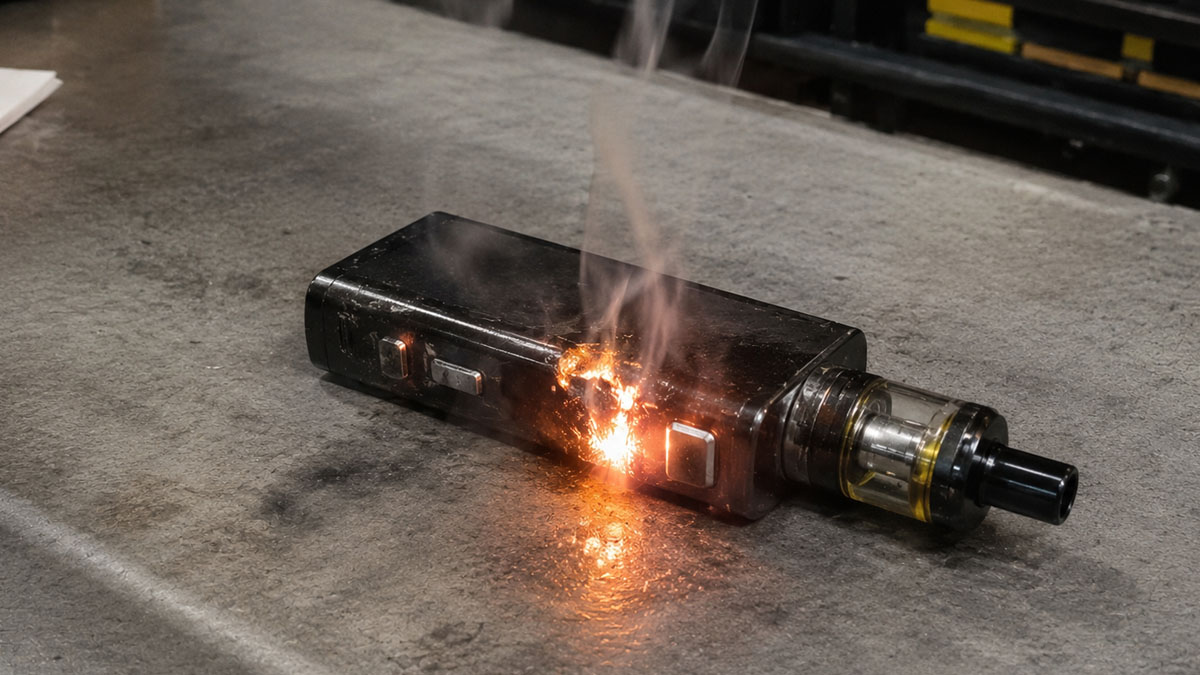 Vape Battery Safety
Modern vape batteries are generally very safe under normal usage conditions. Today’s lithium battery manufacturing and battery protection systems are highly mature, especially for small electronic devices such as disposable vapes, pod systems, and compact vape mods. Because these devices usually operate at relatively low voltage and moderate battery capacity, most users do not need to worry excessively about battery safety during normal daily use.
However, lithium batteries should still be used properly because extreme operating conditions, physical damage, improper charging, or low-quality batteries may increase safety risks.
• Vape Battery Fires and Explosions
Although uncommon, vape batteries can catch fire or explode under extreme conditions. Most battery incidents are caused by improper handling rather than normal vaping use.
Common risk factors include:
Using damaged batteries
Physical impact or puncture
Short circuits
Overheating
Excessive charging current
Low-quality counterfeit batteries
Damaged battery wraps
Exposure to extreme heat
For removable batteries such as 18650 cells, carrying loose batteries together with metal objects like keys or coins can also create dangerous short circuits.
In most cases, properly manufactured vape batteries with intact protection systems remain safe during normal operation and charging.
• Methods to Improve Vape Battery Safety
Several simple precautions can significantly improve vape battery safety and reduce long-term battery stress.
Recommended safety practices include:
Use authentic high-quality batteries
Use suitable chargers with stable 5V output
Avoid overheating during charging or use
Do not puncture or crush batteries
Replace damaged battery wraps immediately
Avoid exposing batteries to water or direct sunlight
Do not leave charging devices unattended for long periods
Store batteries in a cool and dry environment
For removable vape batteries, external battery cases are recommended during transport to help prevent accidental short circuits.
• Can You Bring a Vape Battery on a Plane
Most airlines allow vape batteries and electronic cigarettes on airplanes, but lithium vape batteries must usually be carried in carry-on luggage instead of checked baggage. This is because lithium batteries may create fire risks if damaged or short-circuited during transport.
General airline safety recommendations include:
- Keep vape batteries in carry-on bags
- Do not place loose batteries in pockets with metal objects
- Use battery cases for removable 18650 or 21700 batteries
- Turn off vape devices during transport
- Avoid charging vape devices on the airplane unless permitted
Disposable vapes and pod systems are usually allowed in limited quantities, but airline rules may vary depending on the country and airline company. Damaged or swollen lithium batteries should never be brought onto an airplane.
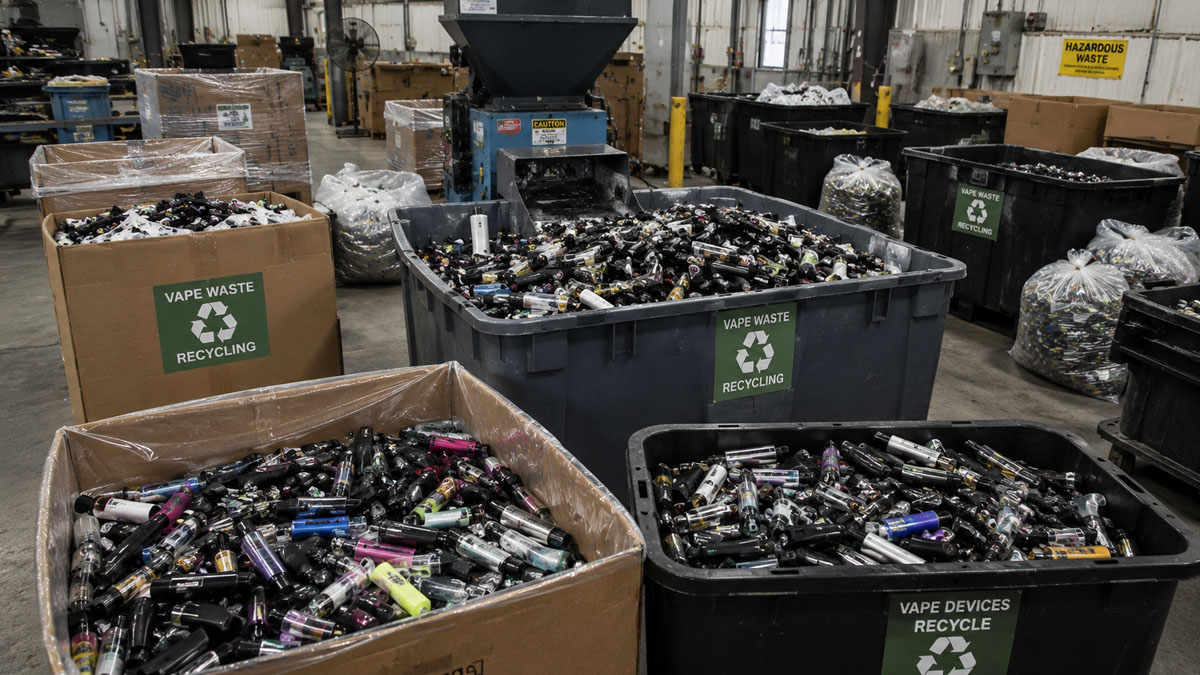
Vape Battery Disposal and RecyclingMost vape devices, including disposable vapes and pod systems, use lithium batteries. Although these batteries are small, they should still be disposed of properly because damaged or improperly discarded lithium batteries may create fire risks or environmental pollution. Recycling also helps recover valuable battery materials and reduces electronic waste.
• Proper Vape Battery Disposal Methods
Vape batteries should never be thrown directly into normal household trash, especially damaged or swollen lithium batteries.
Before disposal:
Turn off the vape device if possible
Avoid puncturing or crushing the battery
Keep damaged batteries away from heat
Cover exposed battery terminals if necessary
Store temporarily in a dry and non-flammable area
For disposable vapes, the entire device is often treated as electronic waste because the battery is built into the device housing.
If a vape battery becomes swollen, overheated, leaking, or physically damaged, it should be recycled immediately and should not continue to be charged or used.
• Places That Accept Vape Battery Recycling
Many locations accept lithium battery recycling and electronic waste collection.
Common recycling locations include:
Electronics recycling centers
Battery recycling programs
Local hazardous waste collection facilities
Vape shops with recycling bins
Electronic retail stores
Some municipalities also provide dedicated recycling programs for small lithium batteries and disposable electronic devices.
Proper recycling helps reduce environmental impact while improving overall lithium battery safety management.
ConclusionVape batteries are an important part of disposable vapes, pod systems, and advanced vape mods. Most modern vape devices use lithium batteries because they provide compact size, stable power output, and fast charging performance.
Understanding battery types, charging methods, runtime, lifespan, safety, troubleshooting, and recycling can help improve both battery performance and long-term reliability. Under normal usage conditions, modern vape batteries are generally very safe when charged and handled properly.
Using high-quality batteries, suitable chargers, and proper charging habits can help extend vape battery lifespan while improving overall safety and vaping performance.
FAQWhat Type of Batteries Are in Vapes?Most vapes use lithium-ion or lithium-polymer batteries. Disposable vapes usually use compact pouch cells, while advanced vape mods often use removable 18650 or 21700 batteries.
How Long Do Vape Batteries Take to Charge?Most vape batteries charge within 1–4 hours depending on battery capacity and charging current. Charging usually slows near full capacity because of trickle charging.
How to Dispose of Vape Batteries?Vape batteries should be recycled through battery recycling centers or electronic waste collection programs instead of being thrown into household trash.
How to Make Vape Battery Last Longer?Avoid overheating, excessive high-wattage vaping, deep discharge, and unstable chargers. Proper charging habits can help extend battery lifespan.
How to Check Vape Battery Condition?Check for overheating, swelling, charging failure, rapid power loss, or physical damage. These signs may indicate battery aging or damage.
Can a Vape Battery Explode?Yes, but this is uncommon during normal use. Most battery accidents are caused by physical damage, short circuits, overheating, or improper charging.


