✅ 18650 Battery Charging Time
• Charging Formula • Key Factors Affecting Charging Time • Safety Considerations
✅ Charging Multiple 18650
• Charging 18650 Batteries in Series • Charging 18650 Batteries in Parallel
✅ Using the Right Charger for 18650 Batteries
• Charging with a Solar Panel • Charging with a Phone Charger • Charging with a Power Supply • Charging with an AA Charger • Charging Without a Charger • Charging with a Normal Charger
✅ The First Time Charging
✅ Charging 18650 Batteries Overnight
✅ Common Charging Issues
✅ Charging Voltage
✅ Conclusion
✅ FAQ
How to charge an 18650 battery?
How to charge an 18650 battery without a charger?
How long does it take to charge an 18650 battery?
Can I charge an 18650 battery with an AA charger?
How to charge multiple 18650 batteries?
18650 batteries are widely used in applications such as e-bikes, power tools, and energy storage systems, and proper charging plays a key role in maintaining performance and lifespan. Understanding how these batteries work in real-world applications—especially across different
18650 battery types and uses—helps ensure consistent and reliable operation, especially when working with single cells or battery packs.
This guide covers the most common ways to charge 18650 batteries, including series and parallel setups, alternative charging methods, and practical habits for daily use. It also provides simple explanations of charging behavior to help you choose the right approach for your specific application.
 18650 Battery Charging Time
• Charging Formula
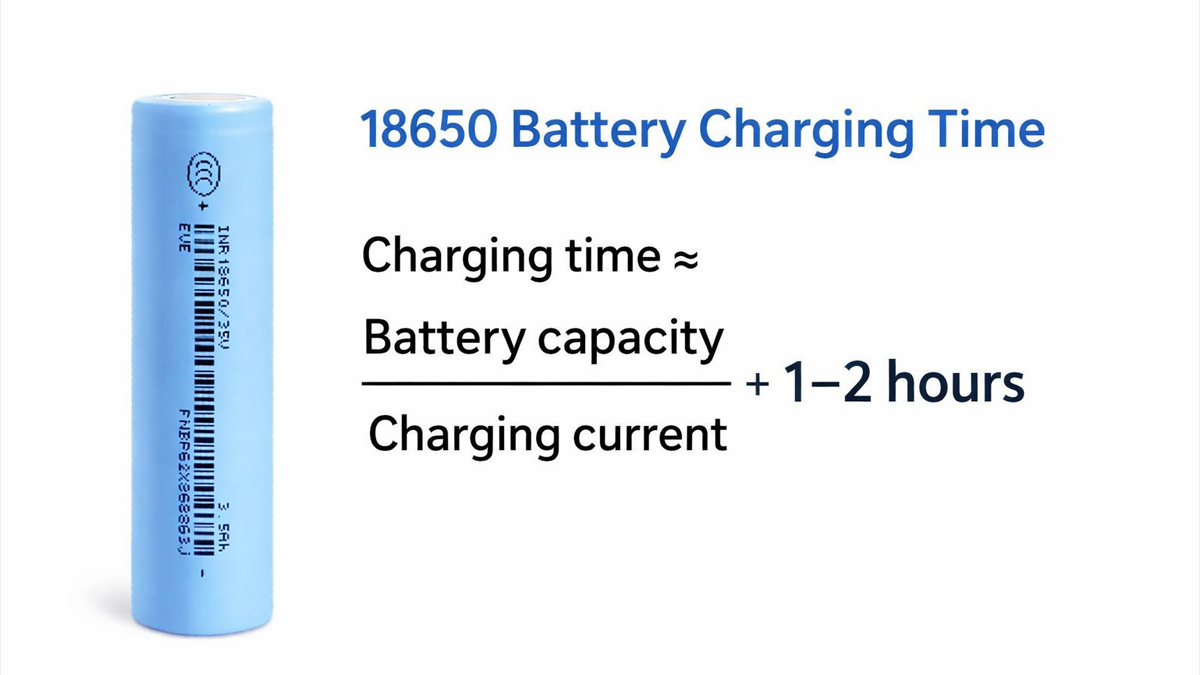
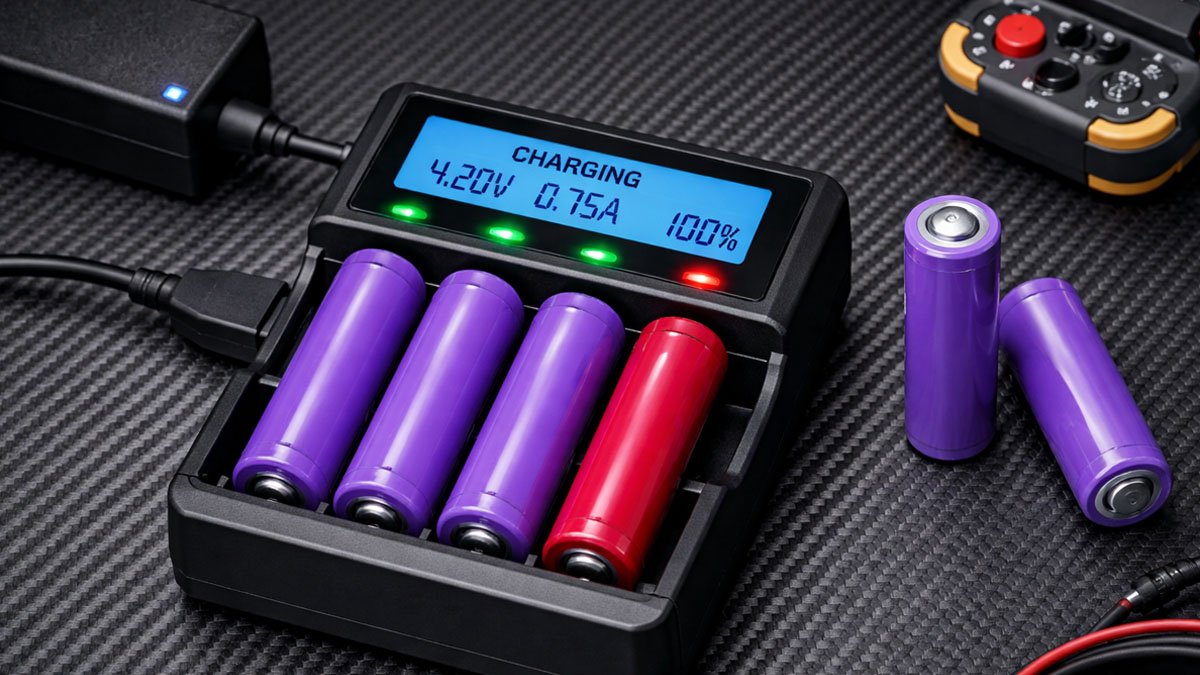
Charging time for an 18650 battery mainly depends on battery capacity and charging current. A simple estimate is:
Charging time ≈ Battery capacity ÷ Charging current + 1–2 hours
The extra 1–2 hours accounts for the final stage of charging. During this phase, the charger switches to a lower current (often called trickle or taper charging), and the charging speed gradually decreases. In addition, some chargers may not deliver their rated current in real conditions, meaning the actual charging current is lower than advertised. As a result, the total charging time becomes longer than the basic calculation.
• Key Factors Affecting Charging Time
- Battery Capacity
Higher capacity batteries (e.g., 3000mAh vs 2000mAh) store more energy and therefore require more time to fully charge.
- Charging Current
Higher charging current reduces charging time, while lower current increases it. However, the current must be within a reasonable range. In practice, some chargers may not deliver their labeled current, meaning the actual output is lower than advertised, which can further extend the total charging time.
- Taper Charging Phase
In the final stage of charging, the current gradually decreases (taper or trickle phase), which slows down the charging process and adds extra time before reaching full charge.
• Safety Considerations
Avoid using excessively high charging current just to reduce charging time. Charging current should be less than or equal to 0.5C (half of the battery capacity). Using higher current may shorten charging time but can negatively affect battery performance and increase potential risks.
Charging Multiple 18650Charging multiple 18650 batteries requires proper configuration and matching equipment to ensure consistent performance. Whether the cells are connected in series or in parallel, the charging method must be aligned with the battery setup, including the correct charger type and appropriate control system. Understanding how multiple cells behave as a pack helps ensure more stable and predictable charging results.
• Charging 18650 Batteries in Series
Charging 18650 batteries in series requires a charger that matches the total pack voltage and a properly matched BMS to ensure stable operation.
- Matching Charger Voltage
When cells are connected in series, the total charging voltage increases with the number of cells. A single 18650 cell charges up to 4.2V, so the required charger voltage can be calculated as:
Charging Voltage = 4.2V × Number of Cells in Series (S)
For example:
2S = 4.2V × 2 = 8.4V
3S = 4.2V × 3 = 12.6V
Using a charger that matches the total pack voltage is essential for proper charging.
- BMS Compatibility
Each series configuration should use a BMS designed for the same number of cells (S count). The BMS helps manage voltage across each cell and ensures balanced charging within the pack.
- Practical Considerations
Using mismatched chargers or incorrect BMS configurations can lead to uneven charging or reduced battery performance. Selecting components that match the series configuration is key to keeping the battery pack working correctly.
• Charging 18650 Batteries in Parallel
Charging 18650 batteries in parallel requires a 4.2V charger, as parallel connections increase capacity but do not change voltage.
- Voltage Remains the Same
When 18650 cells are connected in parallel, the overall voltage stays the same as a single cell. This means the charging voltage is always:
Charging Voltage = 4.2V
No matter how many cells are connected in parallel, the charger voltage does not change.
- Capacity Increases
Parallel connections increase the total battery capacity (mAh), not the voltage. As capacity increases, the battery can store more energy and will generally take longer to charge.
- Charging Current Selection
The charging current should be selected based on the total capacity of the parallel pack. Higher current can reduce charging time, while lower current results in slower charging. However, the current should still remain within a reasonable range for the cells being used to ensure stable charging performance.
 Using the Right Charger for 18650 Batteries
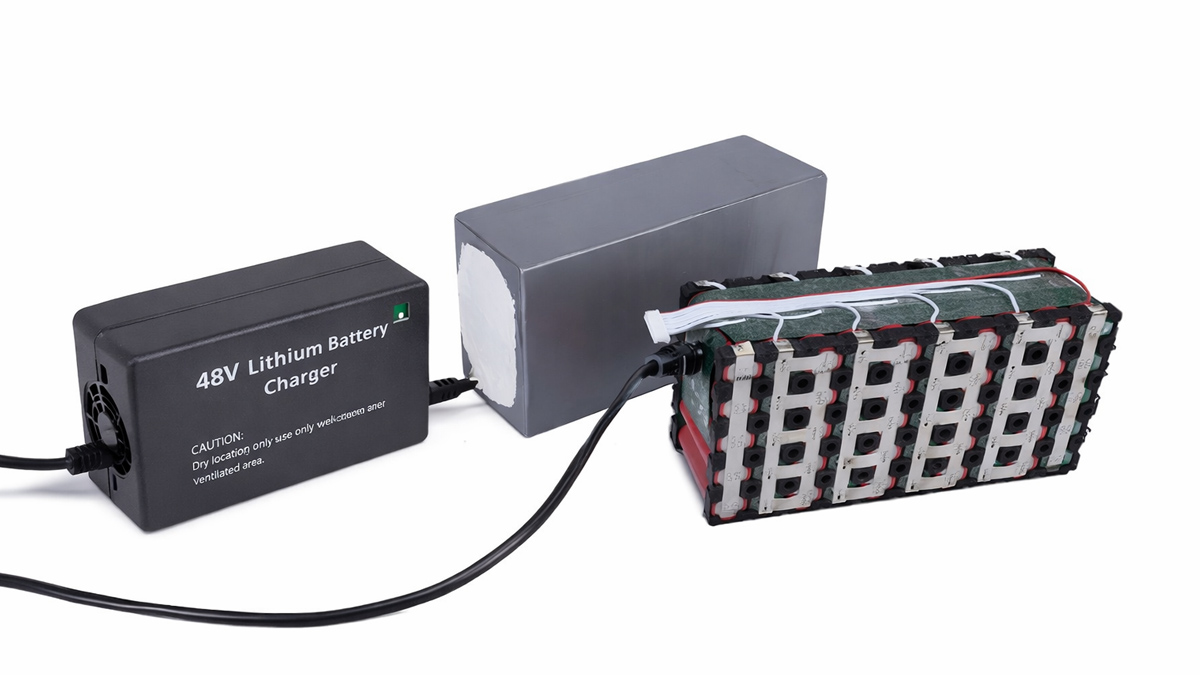
Using the correct charger is essential for properly charging 18650 batteries. Unlike standard chargers designed for other battery types, 18650 lithium-ion cells require specific charging control and compatibility. Choosing a matching charger ensures stable performance, helps maintain battery lifespan, and avoids issues caused by incorrect charging methods.
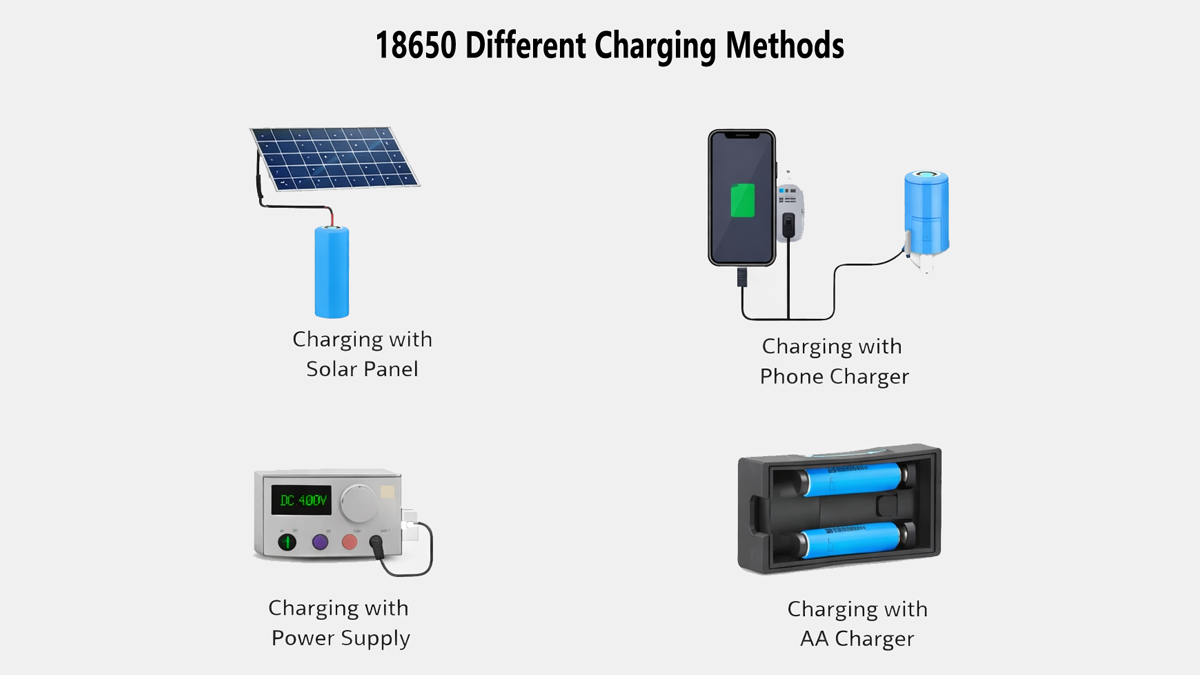
• Charging with a Solar Panel
Charging 18650 batteries with a solar panel requires proper voltage control and protection to prevent overcharging and safety risks.
- For Single 18650 Cell
A single 18650 battery can be charged using a 5V solar panel, but the cell must have a protection circuit (protected battery or external protection board). The solar panel should be connected to a charge controller first, and then to the battery. Direct connection is not recommended, as unstable solar output may damage the battery.
- For Multiple 18650 Cells (Series)
For multiple 18650 cells connected in series, a solar charge controller that matches the total battery pack voltage is required. In addition, the battery pack must include a BMS (Battery Management System) or protection board. This is essential for balancing cells and preventing unsafe conditions during charging.
- Voltage Matching
Proper voltage matching is critical when charging with solar panels. Solar panels can produce voltages higher than the battery’s rated charging voltage, especially under strong sunlight. Without a controller and protection system, this can lead to overcharging, overheating, and serious safety hazards.
• Charging with a Phone Charger
Charging an 18650 battery with a phone charger is generally not recommended unless proper voltage and current conditions are strictly controlled.
- Voltage Compatibility
Only standard 5V phone chargers may be suitable in limited cases. Many modern chargers use fast-charging protocols (such as higher voltage outputs), which can exceed the safe charging voltage of an 18650 battery. Using these chargers without proper regulation can damage the battery.
- Current Limitation
The charging current should be less than or equal to half of the battery’s capacity (≤0.5C). For example, a 2000mAh 18650 battery should be charged at 1A or lower. Many phone chargers provide higher current, which may lead to overheating and reduced battery lifespan.
- Safety Risks
Modern fast chargers often deliver higher voltage and current than a single 18650 cell can safely handle. Without a proper charging circuit or protection board, this can result in overcharging, overheating, or even fire and explosion hazards. For safety and reliability, it is strongly recommended to use a dedicated 18650 battery charger instead of a phone charger.
• Charging with a Power Supply
Charging an 18650 battery with a power supply is possible, but it requires precise control of both voltage and current to ensure safety.
- Voltage Setting
For a single 18650 cell, the power supply voltage should be set to 4.2V, which is the typical full-charge voltage for lithium-ion batteries. Exceeding this voltage can lead to overcharging and serious safety risks.
- Current Control
The charging current should be limited to no more than 0.5C (half of the battery capacity). For example, a 2000mAh cell should be charged at 1A or lower. Proper current control helps prevent overheating and extends battery lifespan.
- Safety Considerations
A regulated DC power supply must be used with constant voltage (CV) and current limiting (CC) functions. The battery should also have a protection circuit (or BMS). Without proper control, incorrect settings can cause overcharging, overheating, or even fire hazards.
• Charging with an AA Charger
Charging an 18650 battery with an AA charger is not possible and not safe, as these batteries are fundamentally different.
- Different Battery Chemistry
AA batteries (such as NiMH or NiCd) use a different internal chemistry compared to 18650 lithium-ion cells. They require completely different charging methods and control mechanisms.
- Different Charging Voltage
An 18650 lithium-ion battery typically charges up to 4.2V, while AA rechargeable batteries operate at much lower voltages (around 1.2–1.5V per cell). An AA charger is not designed to provide the correct voltage for lithium-ion batteries.
- Different Charging Method
AA chargers usually rely on charging methods like trickle charging or delta-V detection, which are not suitable for lithium-ion batteries. In contrast, 18650 batteries require a constant current / constant voltage (CC/CV) charging profile. Using an incompatible charger may damage the battery or create serious safety risks.
• Charging Without a Charger
Charging an 18650 battery without a dedicated charger is possible using alternatives like a power bank, solar panel, or DC power source, but only if voltage, current, and charging control are properly managed.
- Alternative Power Sources
Devices such as power banks, solar panels, or bench power supplies can provide power for charging. However, they should not be connected directly to the battery. A proper charging module or controller is required to regulate the output.
- Parameter Matching
Safe charging depends on matching the correct parameters. The voltage must be limited to the battery’s safe charging range, and the current should be controlled to avoid overheating. In addition, lithium-ion batteries require a constant current / constant voltage (CC/CV) charging profile, which most alternative sources cannot provide on their own.
- Safety Considerations
Without proper regulation, mismatched voltage or current can lead to overcharging, overheating, or battery damage. For safe and reliable use, it is strongly recommended to use a dedicated 18650 charger or a charging module designed for lithium-ion batteries.
• Charging with a Normal Charger
Charging 18650 batteries with a normal charger is not recommended and can be unsafe, as these chargers are not designed for lithium-ion batteries.
- Incompatibility with Lithium-Ion Batteries
“Normal chargers” (such as those for AA or other common batteries) are not built for 18650 lithium-ion cells. They do not provide the correct charging profile required for safe operation.
- Incorrect Charging Parameters
18650 batteries require specific voltage and current control during charging. A non-matching charger cannot properly regulate these parameters, which may lead to overcharging, overheating, or battery damage.
A standard charger is not suitable for 18650 batteries. Using a charger designed specifically for lithium-ion cells ensures proper charging performance and helps prevent damage to the battery.
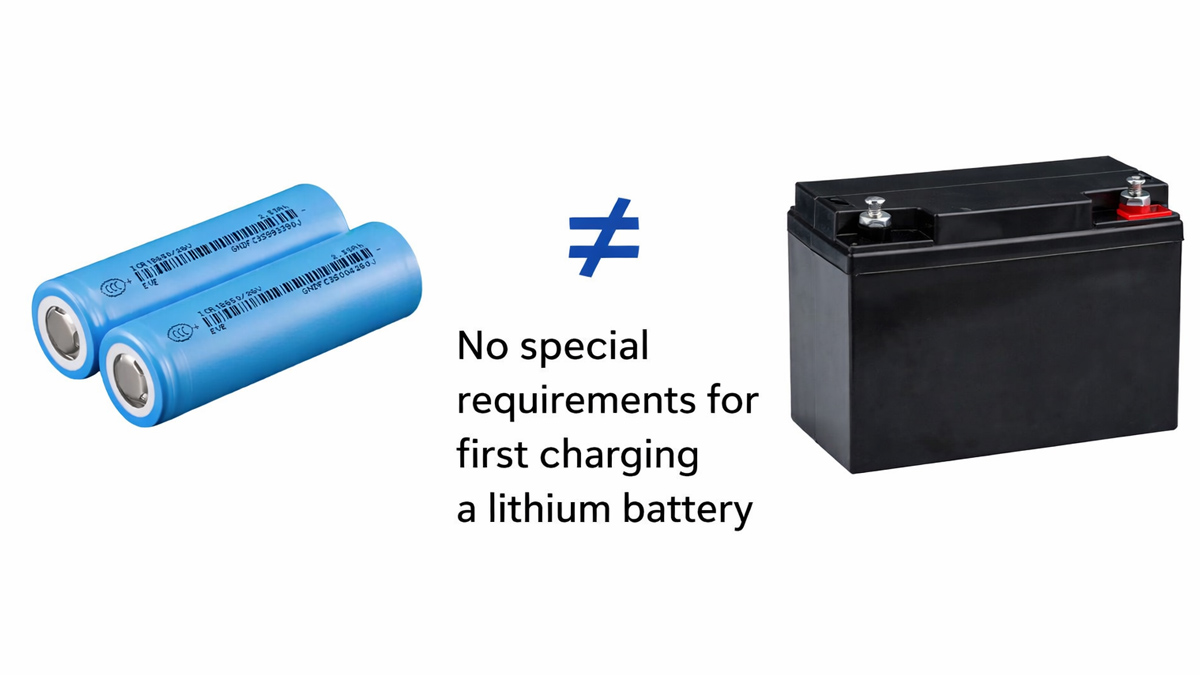
The First Time ChargingCharging an 18650 battery for the first time is simple and does not require any special procedure, as long as a compatible charger is used. Unlike lead-acid batteries, lithium-ion 18650 cells do not need an initial full charge or any conditioning process before use. It is completely fine to charge the battery partially or fully. Charging to 100% or stopping before full charge will not affect normal performance, so you can use and recharge the battery as needed without any special precautions for the first charge.
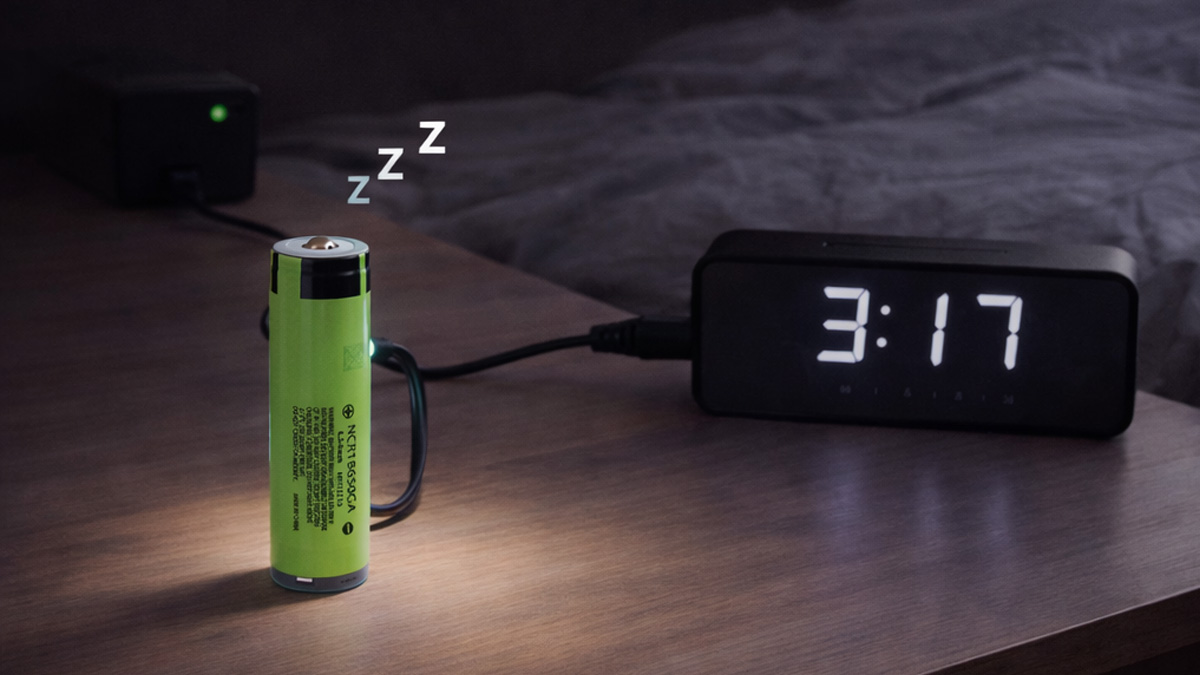
Charging 18650 Batteries OvernightCharging 18650 batteries overnight is not recommended, but it is generally not a major concern when using batteries with built-in protection circuits and proper chargers.
- Not Recommended, but Common
Leaving an 18650 battery charging overnight is not ideal, mainly because it stays connected to power longer than necessary. However, most modern lithium-ion batteries and chargers include protection features that stop charging once the battery is full, reducing the likelihood of issues during extended charging.
- Protection Circuit Matters
If the 18650 battery has a protection board (or is used in a device with built-in battery management), overnight charging is usually handled safely by the system. However, for unprotected cells without any control or monitoring, overnight charging should be avoided, as there is no mechanism to prevent overcharging.
- No Need for Excessive Concern
Most everyday devices such as smartphones, Bluetooth earphones, and portable speakers use lithium-ion batteries similar in chemistry to 18650 cells. These devices are often charged overnight without problems, so there is no need to be overly concerned when using proper equipment and protected batteries.
Common Charging Issues with 18650 BatteriesSometimes, 18650 batteries may not charge fully, fail to charge at all, or become warm during charging. These situations are usually related to factors such as charger compatibility, battery condition, or improper charging setup, and in many cases are part of broader battery-related issues.
Instead of trying to diagnose each issue in detail here, it’s more effective to look at a broader overview—especially when similar symptoms appear across different use cases, as explained in our guide on
common battery performance problems and solutions—before applying the right approach.
Charging Voltage
Charging voltage for 18650 batteries must be carefully controlled… For a single cell, the typical full-charge voltage is 4.2V.
For battery packs made of multiple cells in series, the required charging voltage increases based on configuration. Understanding how lithium battery voltage works across different setups is important when selecting the right charger…
Conclusion
Charging 18650 batteries correctly is essential for maintaining stable performance and extending battery lifespan. Whether using series or parallel setups, alternative charging methods, or everyday charging habits, choosing the right approach and compatible equipment makes a significant difference.
By understanding how different charging methods work and applying proper practices, you can ensure more consistent results and avoid common charging-related issues.
FAQ
How to charge an 18650 battery?
Use a compatible lithium-ion charger that provides proper voltage control and charging current. Avoid using unmatched chargers or direct power sources.
How to charge an 18650 battery without a charger?
It can be done using alternatives like a power supply or solar panel, but only with proper voltage regulation and a charging module. Direct connection is not recommended.
How long does it take to charge an 18650 battery?
Charging time depends on battery capacity and charging current. A simple estimate is capacity divided by current, plus extra time for the final charging phase.
Can I charge an 18650 battery with an AA charger?
No. AA chargers are not designed for lithium-ion batteries and do not provide the correct voltage or charging method.
How to charge multiple 18650 batteries?
Multiple batteries can be charged in series or parallel, depending on the setup. The charger and control system must match the battery configuration.